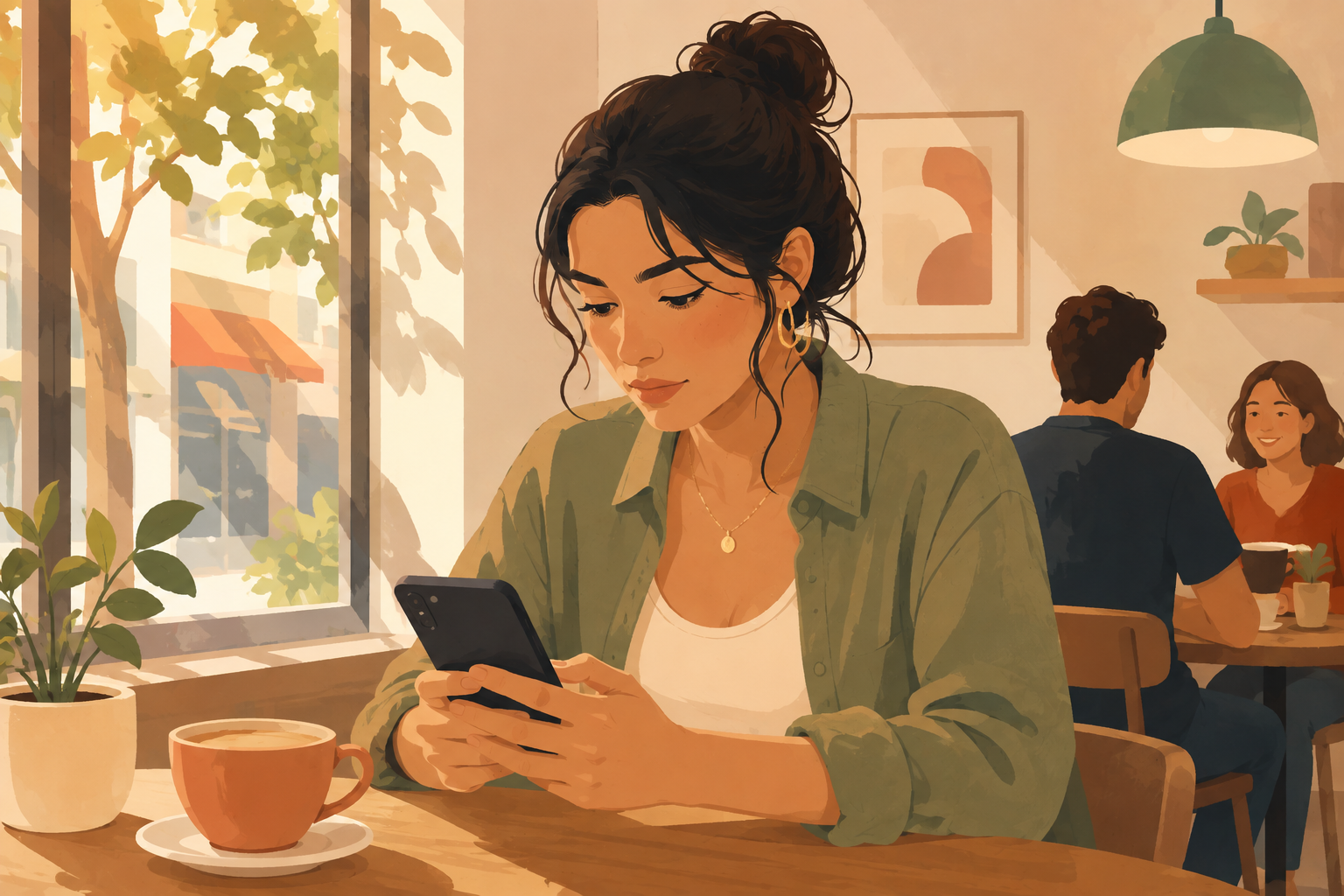
Your Period Tracker May Be Spying on You
A period tracker can know remarkably intimate details about your life—but where does that information go? Here’s what recent privacy research reveals about reproductive health apps, why that data matters, and what you can do to keep it private.

Contacts, Emergency Contacts, and Medical IDs for Mobile Devices
Your phone’s contact list can reveal far more than names and numbers. For activists, advocates, and vulnerable communities, it can expose relationships, networks, and sensitive connections. Learn why minimizing stored contacts, configuring emergency contacts, and enabling Medical ID can make your phone safer without sacrificing critical information.
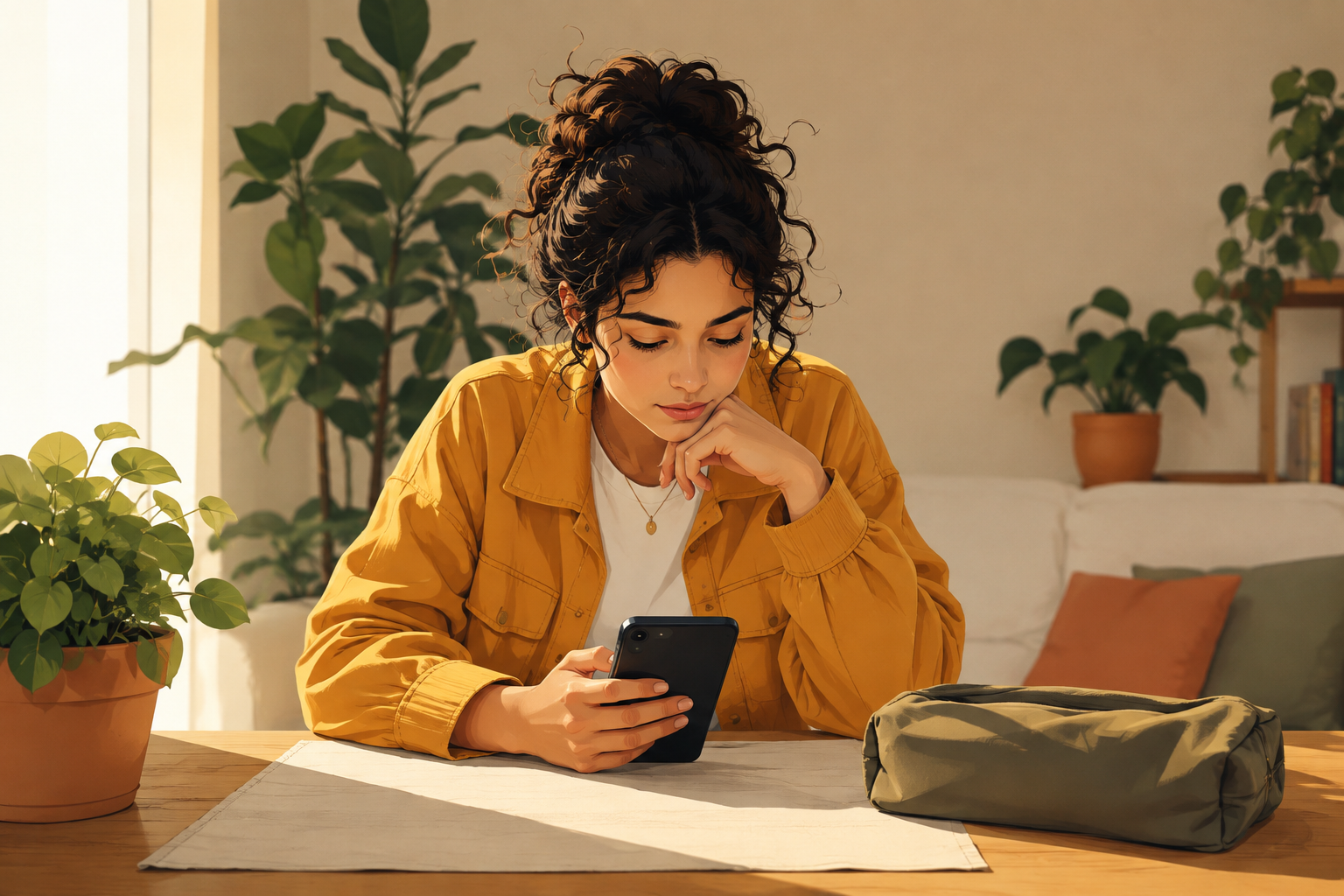
What To Do After Your Phone Is Released from Confiscation
When your phone is returned after police custody, the urge to turn it on and reconnect is immediate. But before you do, take a moment. This guide explains how to assess whether you still trust the device, preserve possible evidence, review it for changes, and decide whether to inspect, erase, or replace it.
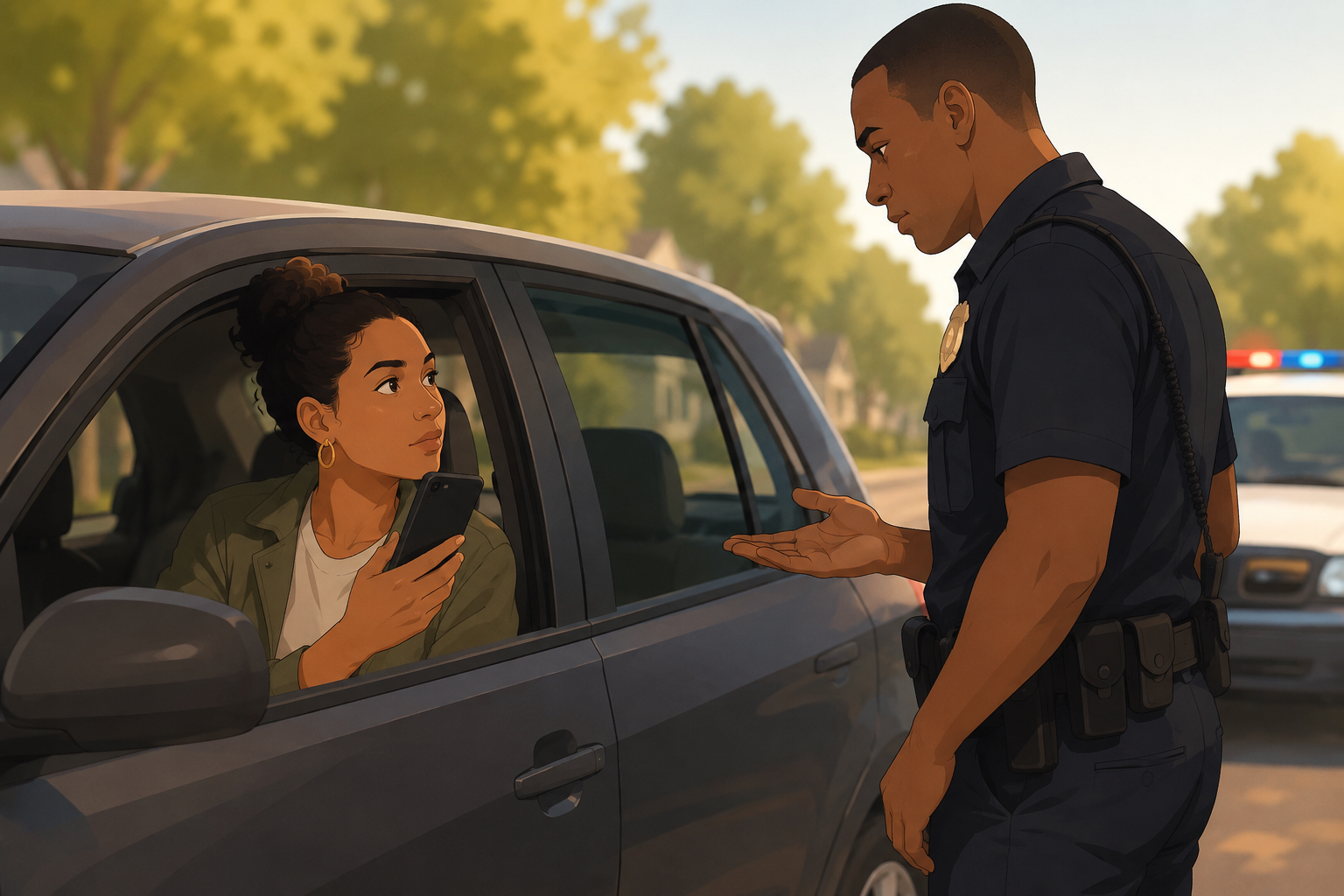
What to Do if a Police Officer Demands You Unlock Your Phone
What should you do if a police officer asks you to unlock your phone? This practical guide explains how to protect your privacy before, during, and after a police encounter, including what to say, what not to do, and how the Fourth and Fifth Amendments may apply. Learn simple steps you can take now to safeguard the personal information you carry with you every day.
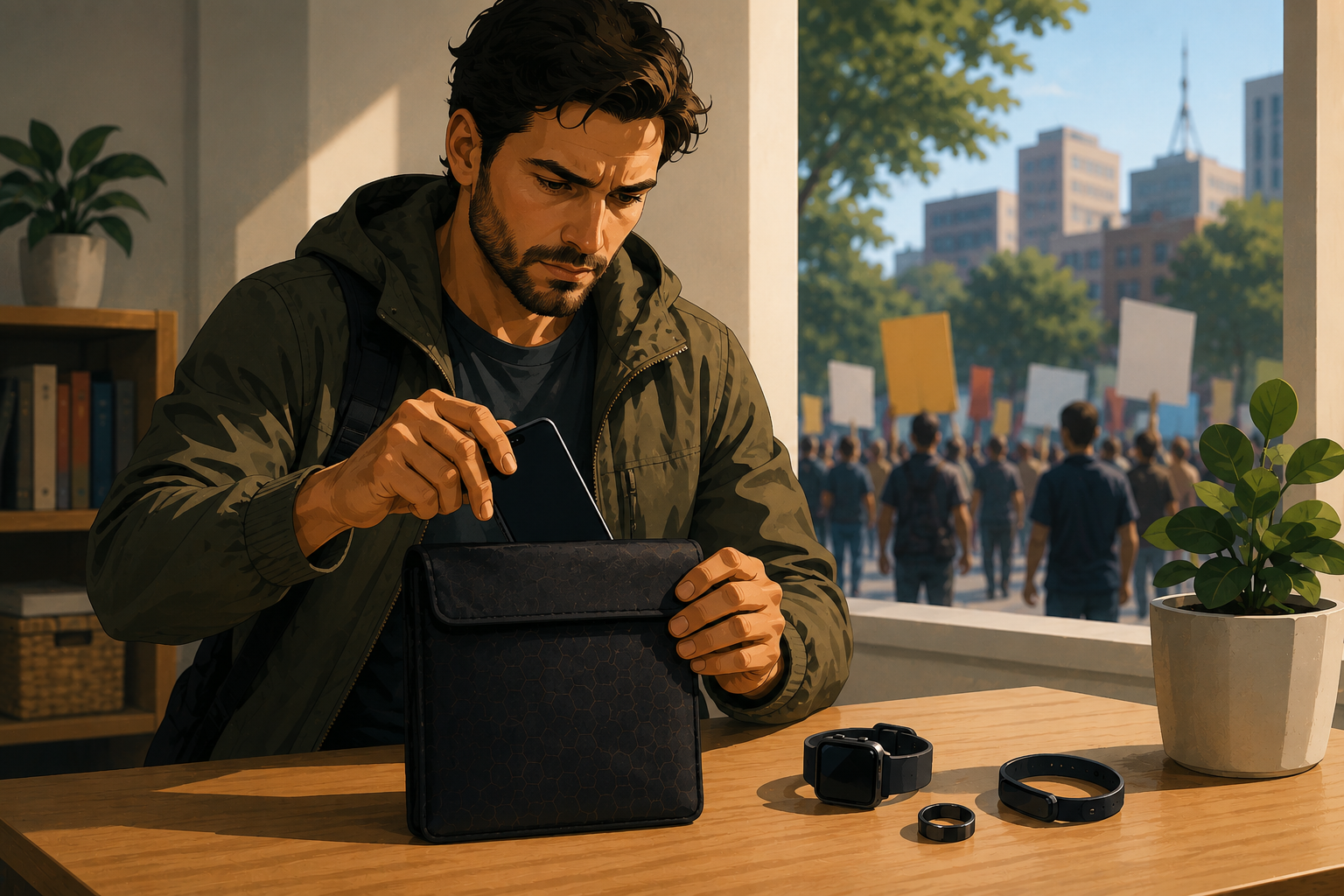
Eluding Surveillance and Preparing Your Mobile Phone for Confiscation
Before entering a protest, border crossing, government building, or other uncertain environment, a few simple steps can make your phone much harder to track or search. Learn why powering it down, using a Faraday bag, and leaving it in its “Before First Unlock” state can provide meaningful protection when your device leaves your hands.

How to Enable and Use Check-In Messages
Most of us have sent a quick "Made it home" text. Apple's Check In and Android's Safety Check can do that automatically—and alert a trusted contact if you don't arrive safely. Learn how these built-in features work, why they're useful, and how to set them up in just a few minutes.

How to Make Your Phone Self-Destruct
Your phone can already erase itself when it needs to. Most people just never turn the feature on. Here's how to set up a real, working self-destruct on both iPhone and Android, and the one common mistake that quietly cancels it out.
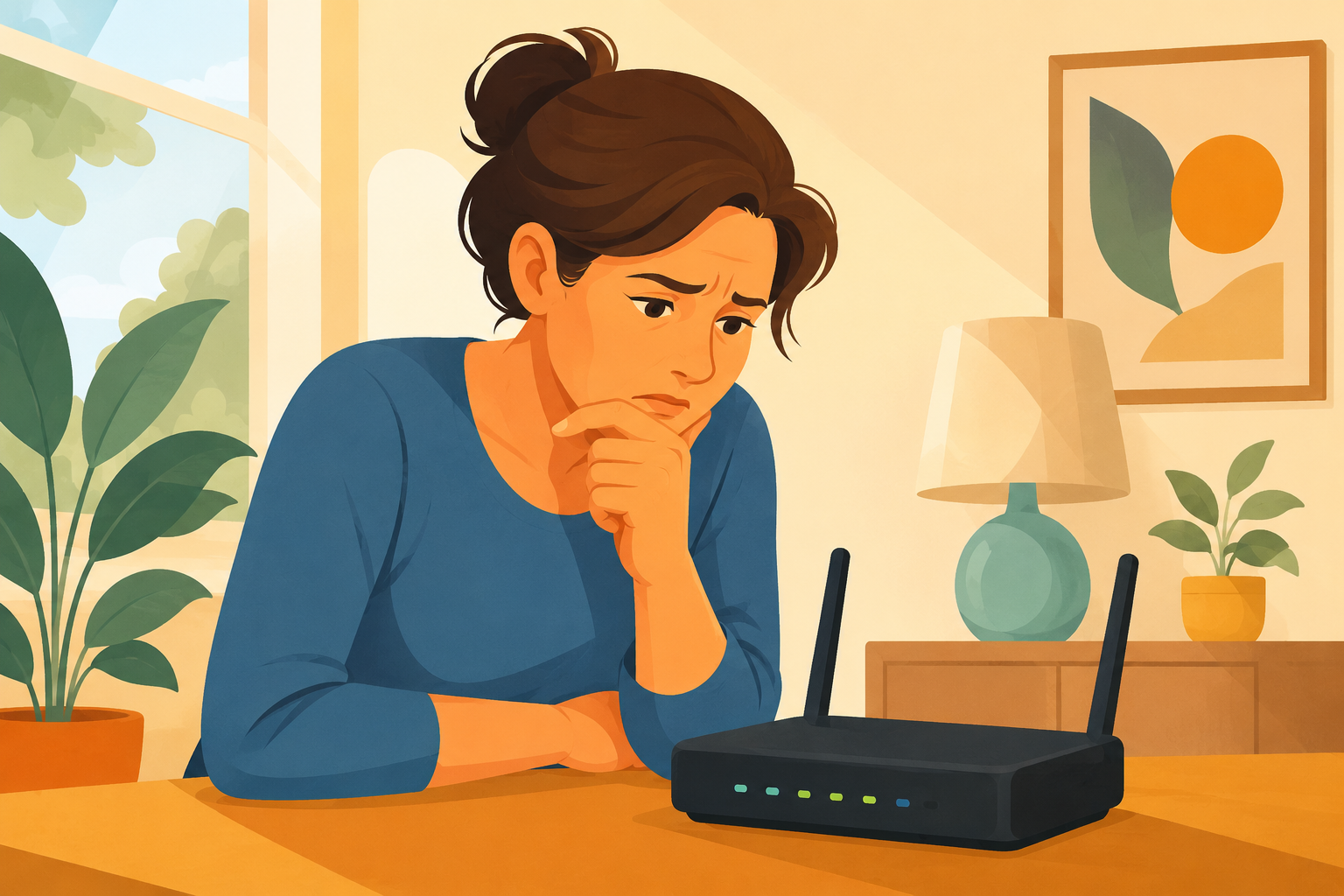
One Small Change Makes Your Network Safer
There's a small box somewhere in your home or office that connects everything to the internet — and its default settings are probably working against you. A free, ten-minute adjustment can improve your privacy, block malicious websites, and even filter adult content. Here's how.
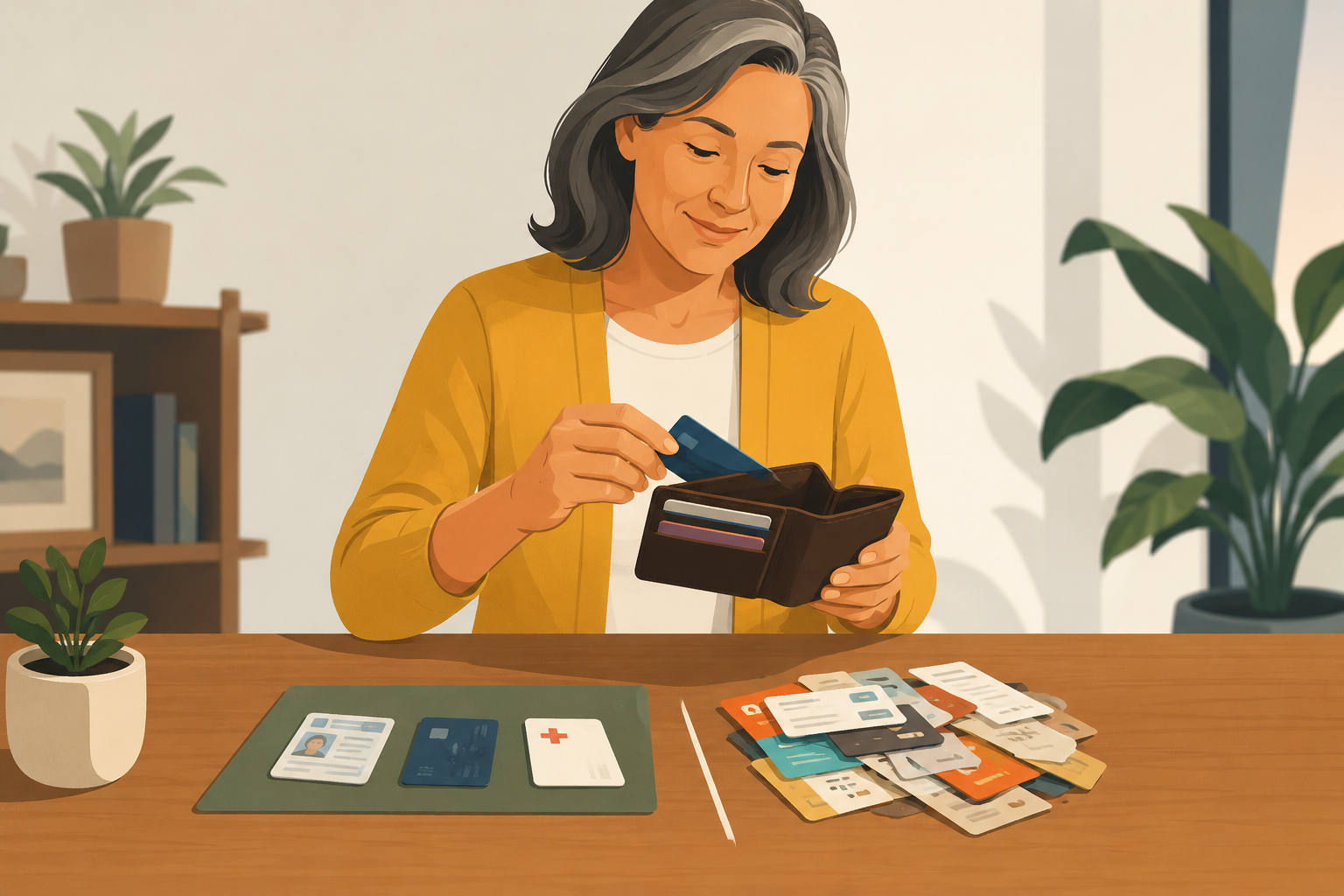
What’s in Your Wallet?
A lost wallet can be more than an inconvenience. From Social Security cards and Medicare information to passwords and account details, many of us carry far more sensitive information than we realize. Learn how to reduce your risk, protect your identity, and carry only what you truly need every day.