
100 - Mutual Aid and Community Matter
Mutual aid and community support have always been among the most powerful tools people have for overcoming challenges. Whether facing a scam, a personal crisis, a natural disaster, or everyday difficulties, strong communities help people share knowledge, resources, and encouragement. This article explores why looking out for one another matters and how community connections can improve safety, resilience, and well-being. No one has all the answers, and no one should have to face every problem alone. When people support one another, communities become stronger, more informed, and better prepared to navigate difficult situations together.
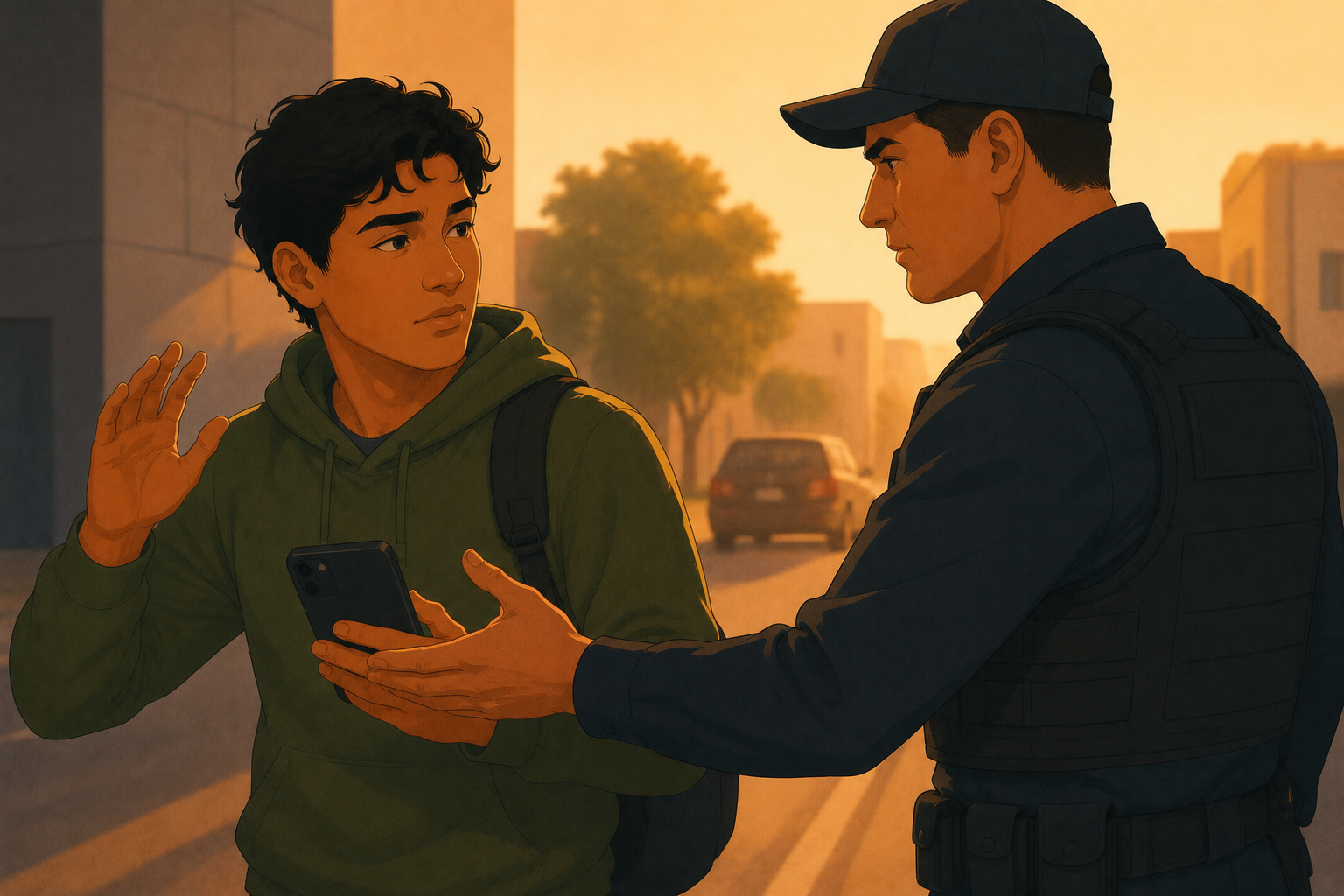
099 - Prepare for Device Loss or Seizure
Losing access to a phone, laptop, or tablet can be stressful, but the disruption becomes much greater if you're unprepared. Whether a device is lost, stolen, damaged, confiscated, or simply stops working, having a plan can make recovery faster and less overwhelming. This article encourages readers to think ahead about what information, accounts, contacts, and resources they would need if a device suddenly became unavailable. A little preparation can reduce panic, protect important data, and help you stay connected when technology problems arise. Resilience often begins before the emergency ever happens.
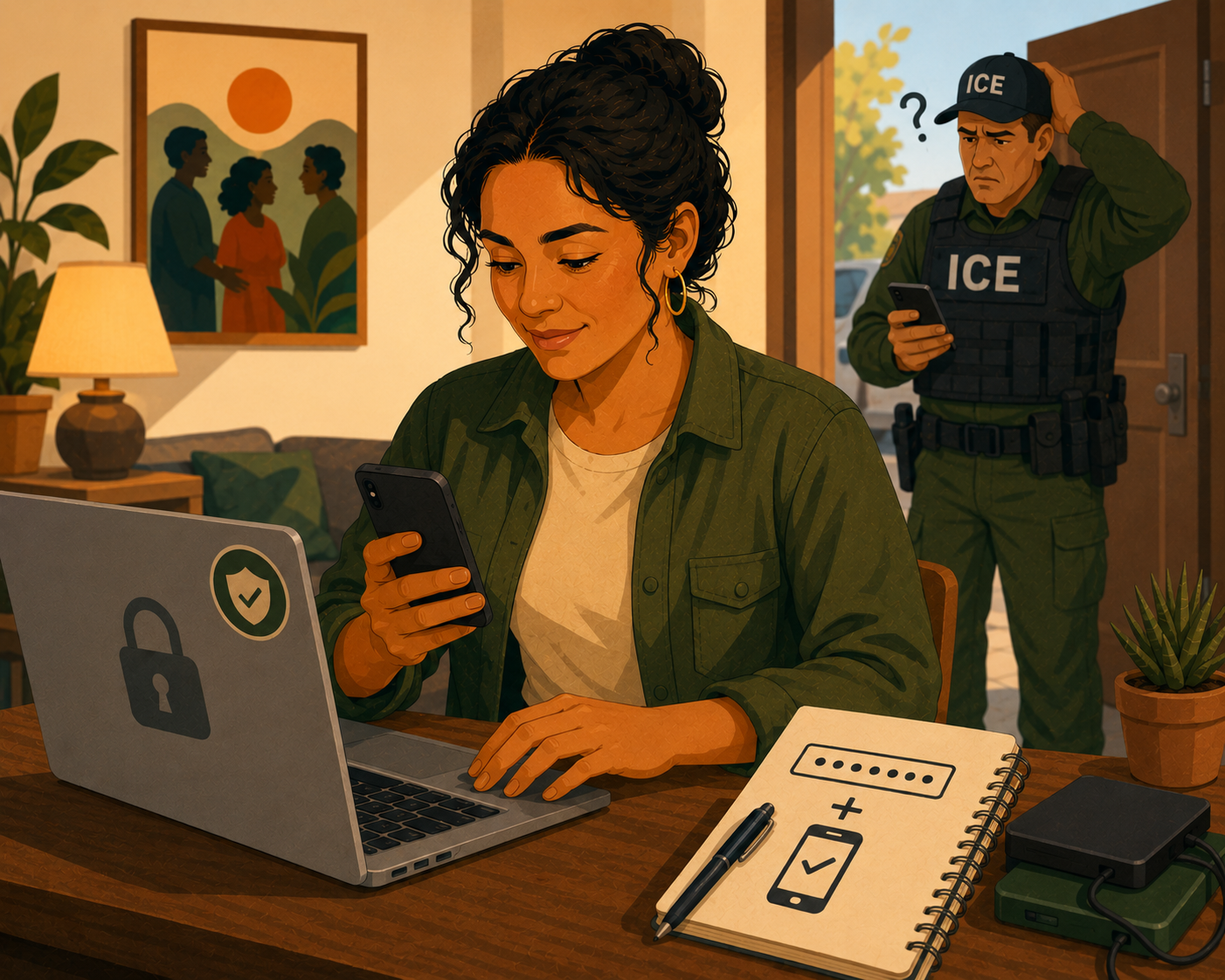
098 - Strong Passwords Protect More Than Accounts
Passwords do more than protect online accounts. They help safeguard your identity, finances, personal relationships, private conversations, photos, documents, and reputation. When an account is compromised, the effects can reach far beyond a single login screen. This article explains why strong passwords remain one of the most important habits in digital safety and how a few simple changes can significantly reduce risk. Understanding what's truly at stake can make password security feel less like a technical chore and more like an investment in protecting the parts of your life that matter most.
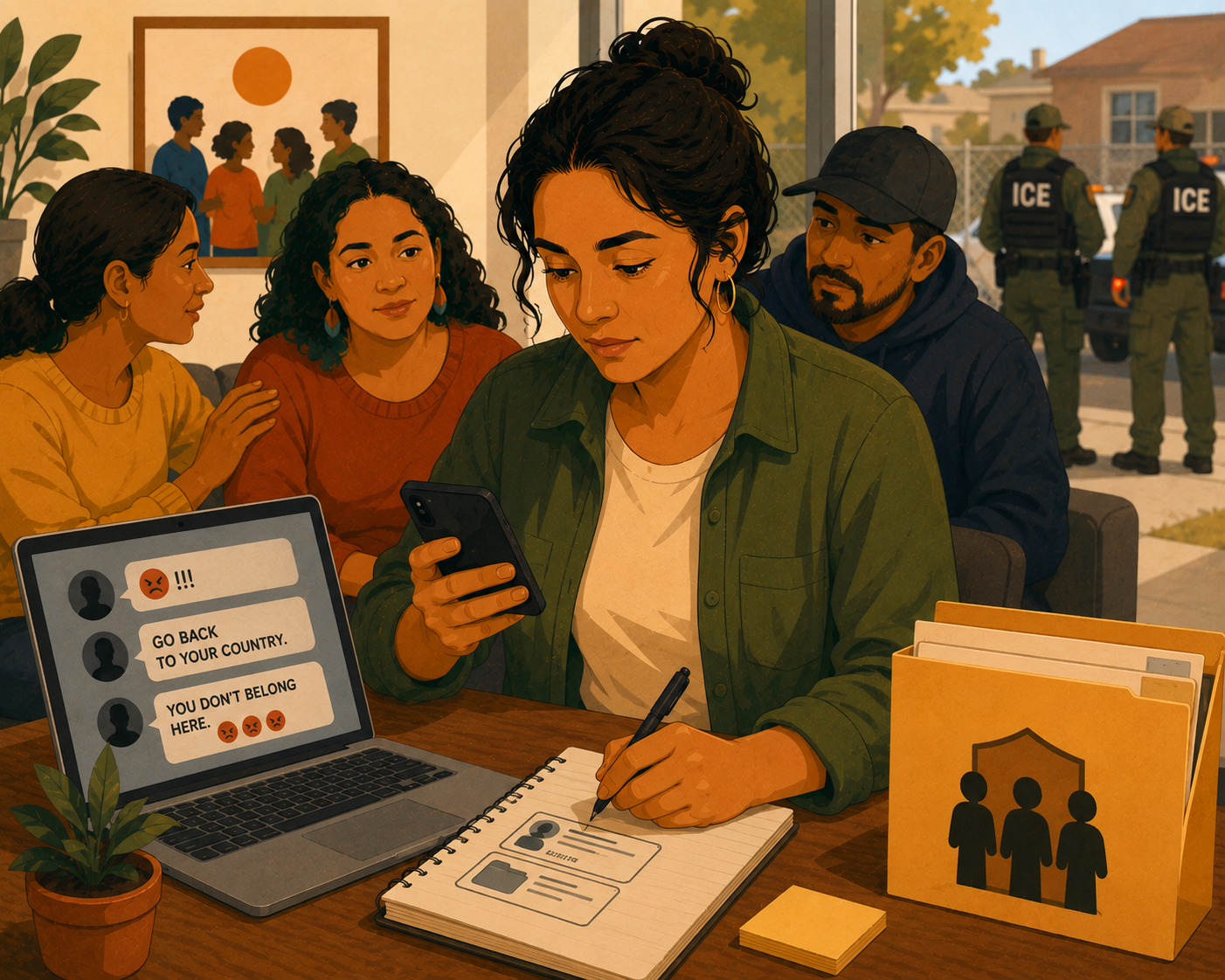
097 - Harassment Online Can Escalate Offline
What happens online doesn't always stay online. Harassment that begins through social media, messaging apps, gaming platforms, or other digital spaces can sometimes spill over into real-world situations. This article encourages readers to take online threats, stalking, intimidation, and repeated unwanted contact seriously. Understanding how online behavior can escalate helps people recognize warning signs earlier, document concerning activity, and seek support when needed. Digital safety and physical safety are often connected, and being aware of that connection can help you make informed decisions about privacy, boundaries, and personal security.
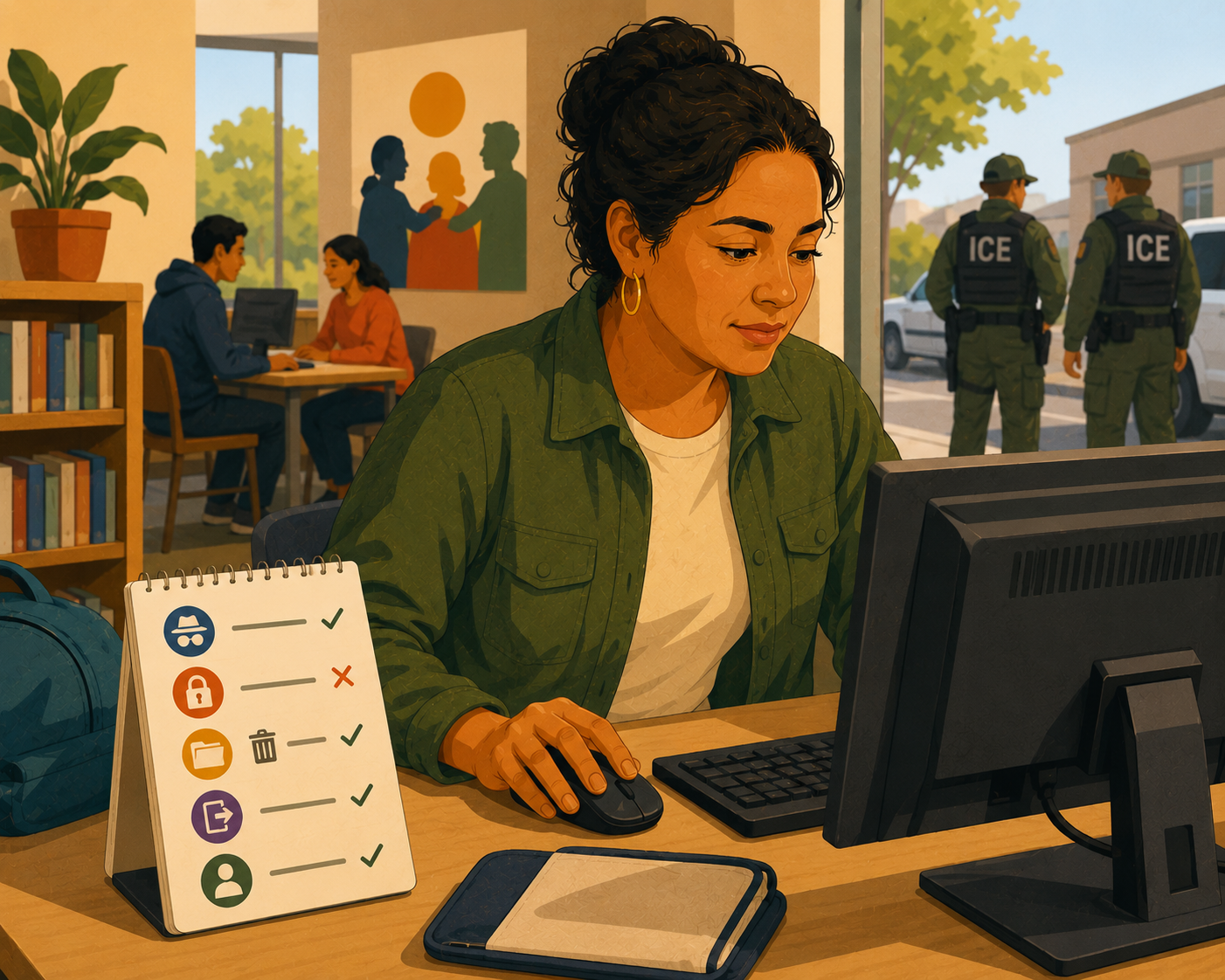
096 - Public Computers Require Caution
Public computers can be useful when you need internet access away from home, but they require extra caution. Devices in libraries, hotels, schools, community centers, and other public locations may be used by many different people and are not always configured with privacy in mind. This article explains why public computers present unique risks and offers practical reasons to be careful when accessing personal accounts, financial information, or sensitive documents. Understanding these risks can help you make safer decisions and protect your information when using shared technology. Convenience and caution can—and should—go hand in hand.
095 - Know Which Organizations You Trust
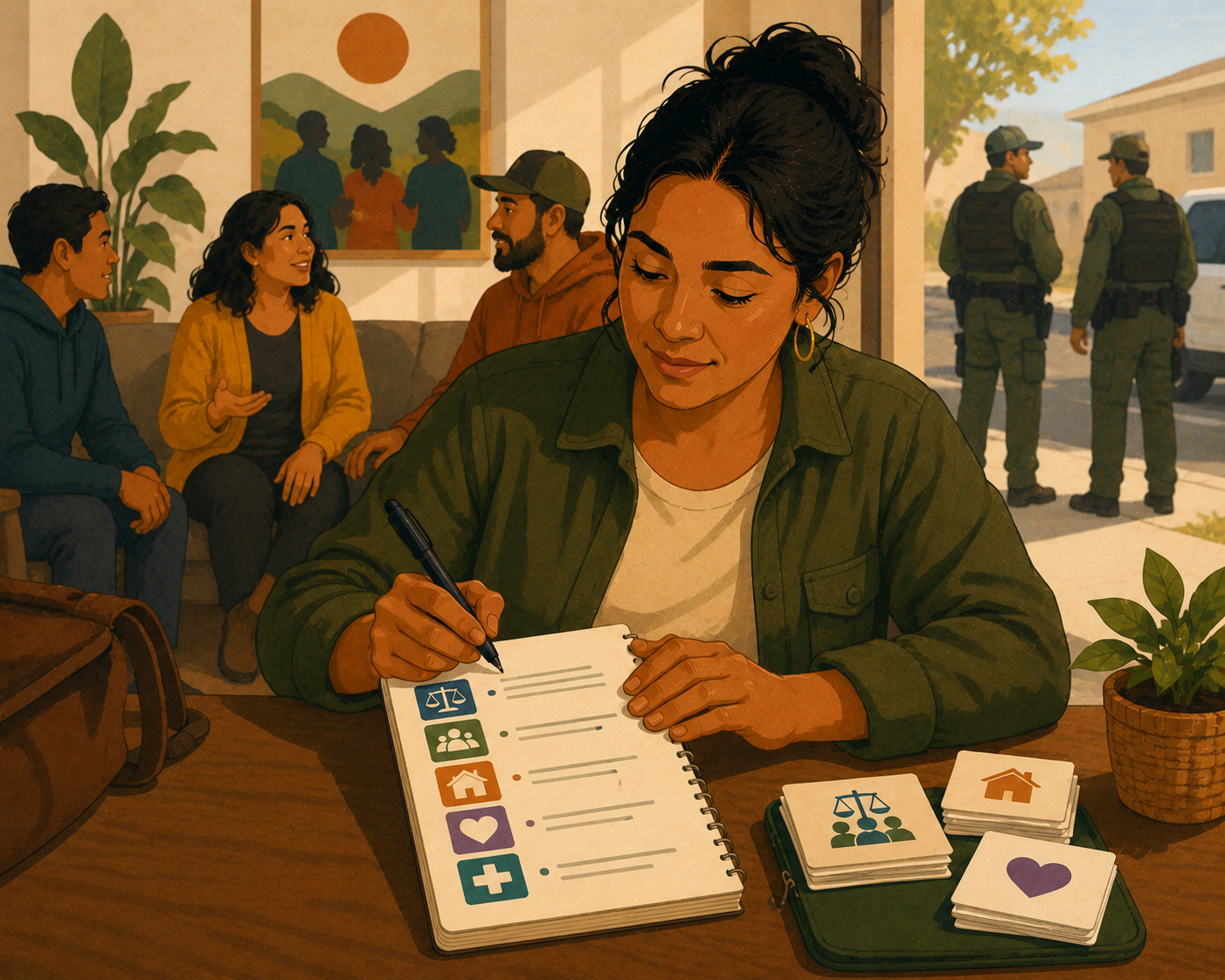
Knowing where to turn for reliable information can make all the difference during a crisis, emergency, or confusing situation. Unfortunately, scammers and misinformation often thrive when people aren't sure whom to trust. This article encourages readers to identify trustworthy organizations, community resources, and support services before they're urgently needed. Building a list of reliable sources can help you make better decisions, verify information more quickly, and avoid being misled by bad actors. Trust is easier to evaluate when you have time to think ahead, and preparation can provide confidence when situations become stressful or uncertain.
094 - Have a Trusted Check-In System
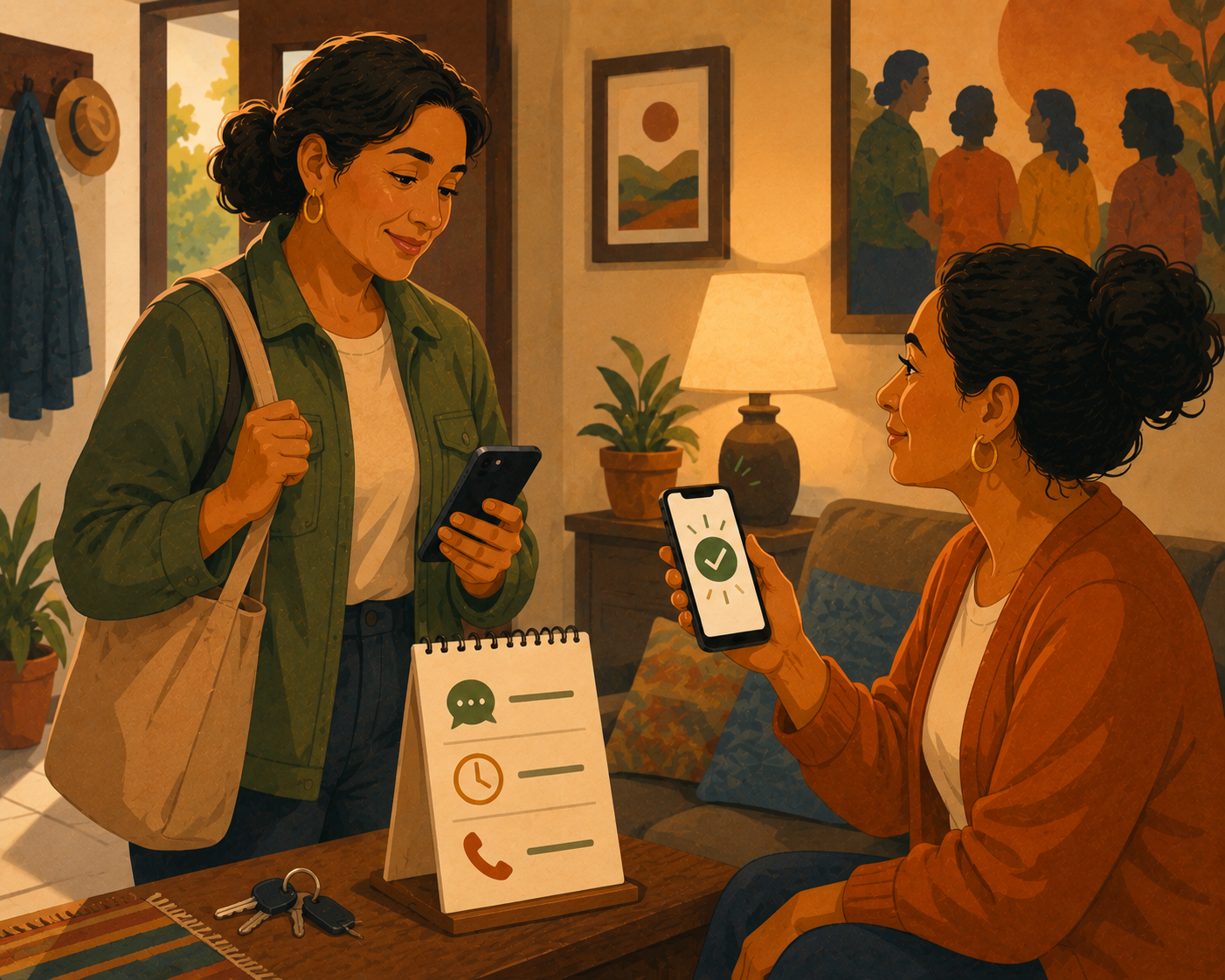
Life is unpredictable, and emergencies often happen when we least expect them. Having a trusted person who checks in on you—and someone you can check in on—can provide reassurance, support, and an extra layer of safety during difficult situations. This article explores why regular communication matters and how simple check-in systems can help people stay connected, especially during emergencies, periods of isolation, or times of uncertainty. A small amount of planning can strengthen personal resilience and ensure that someone notices when help may be needed. Sometimes safety begins with knowing someone is looking out for you.
093 - Scammers Exploit Fear and Uncertainty
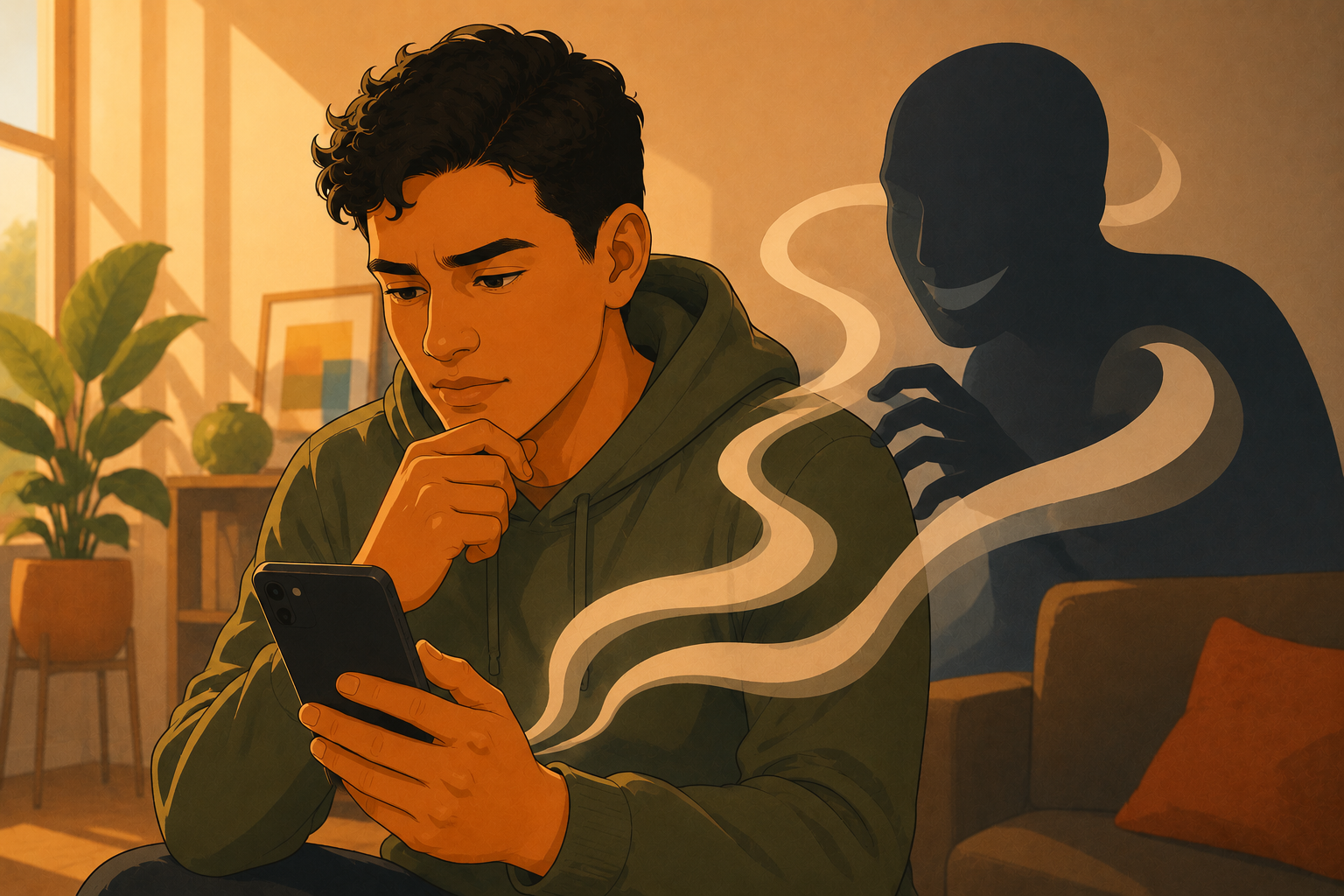
Scammers thrive when people are worried, confused, or uncertain about what comes next. During emergencies, economic challenges, major news events, or personal crises, criminals often exploit fear to pressure people into making quick decisions. This article explains why uncertainty makes scams more effective and how understanding these tactics can help you respond more confidently. Learning to slow down, verify information, and seek trusted advice can make a significant difference when emotions are running high. The more aware you are of how fear influences decision-making, the better equipped you'll be to protect yourself and those around you.
092 - Review Your Social Media Privacy Settings
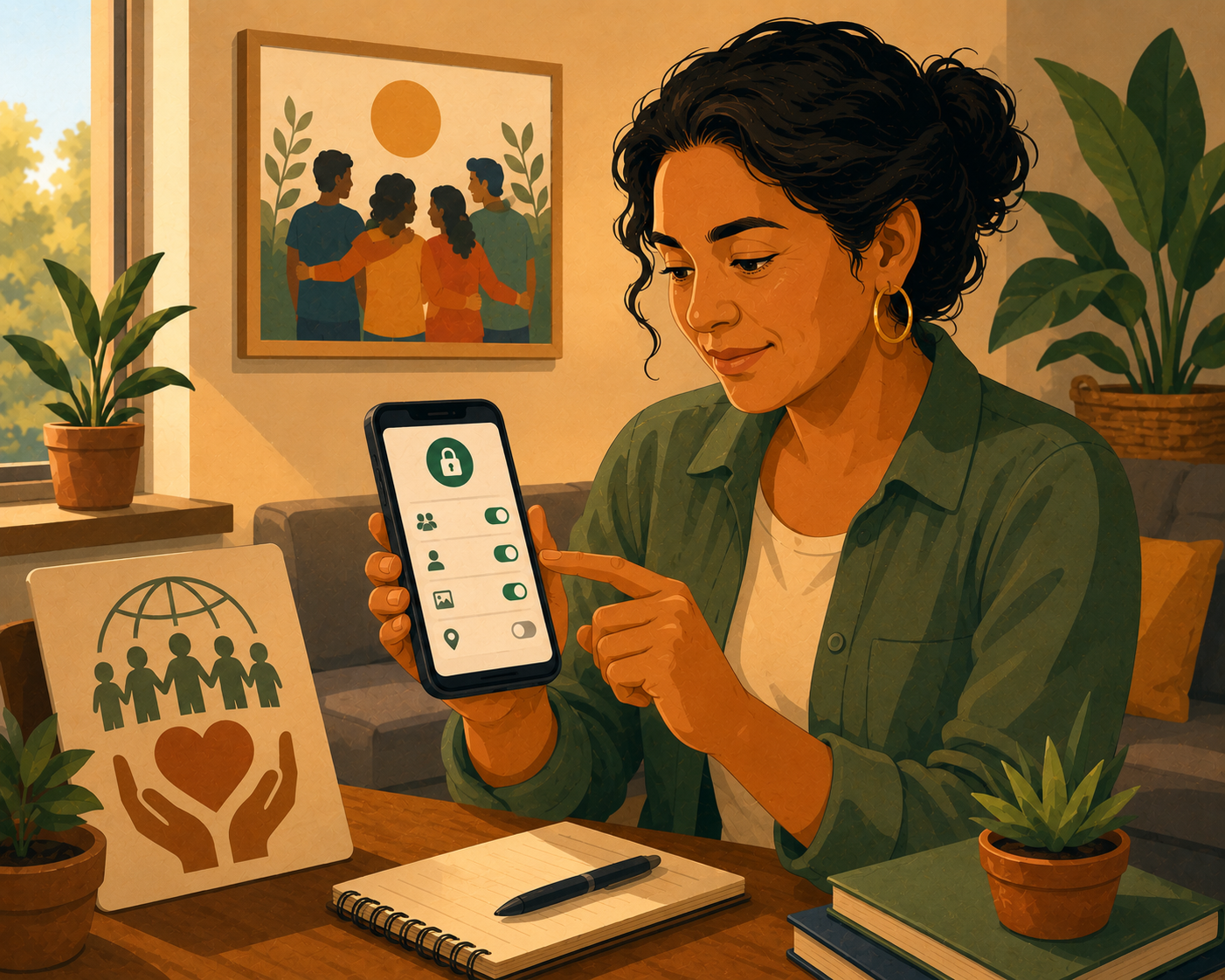
Social media platforms change their privacy settings, features, and policies regularly, often without users realizing it. Information that was once visible only to friends may become accessible to a wider audience if settings are not reviewed periodically. This article encourages readers to take a fresh look at their privacy controls and understand who can see their posts, photos, and personal information. A few minutes spent reviewing your settings can help reduce unwanted exposure, improve online safety, and give you greater control over your digital presence. Privacy works best when it's maintained, not just configured once and forgotten.
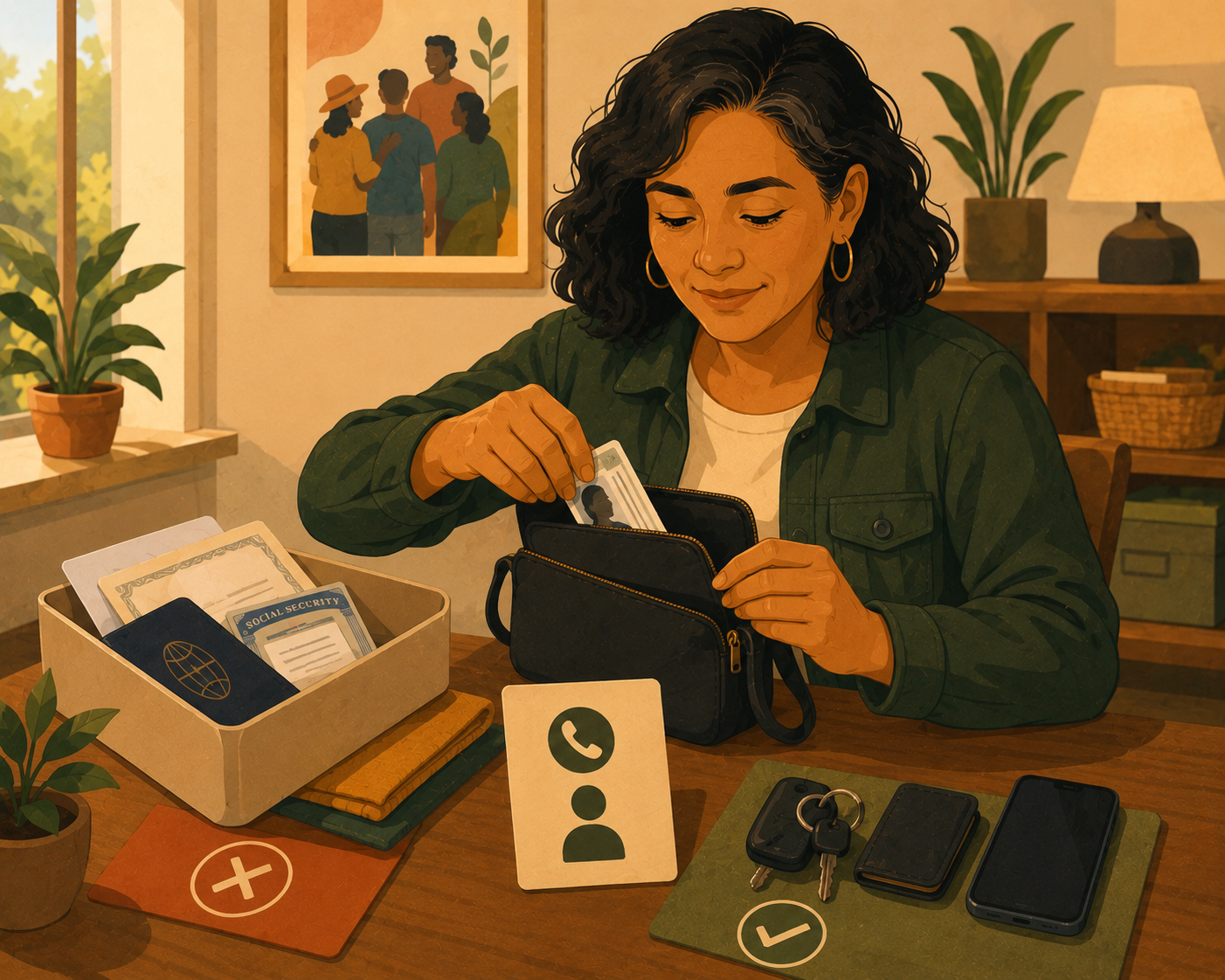
091 - Avoid Carrying Unnecessary Sensitive Information
Many of us carry far more personal information than we actually need on a daily basis. Identification cards, account numbers, insurance documents, and other sensitive records can create unnecessary risk if they're lost, stolen, or accessed by the wrong person. This article encourages readers to think carefully about what information they carry and why. Reducing unnecessary exposure is a simple but effective way to protect your privacy and limit the impact of theft or loss. Sometimes good security isn't about adding something new—it's about carrying less and sharing less whenever possible.

090 - Fear and Isolation Help Abusers
Abuse often becomes easier when people feel isolated, afraid, or disconnected from sources of support. Abusers may intentionally use fear, secrecy, and isolation to limit a person's ability to seek help or gain perspective from others. This article explores how these tactics work and why maintaining connections with trusted friends, family members, community organizations, and support networks is so important. Understanding these dynamics can help people recognize warning signs earlier and better support those who may be experiencing abuse. Strong relationships and access to support are powerful tools for safety, resilience, and recovery.
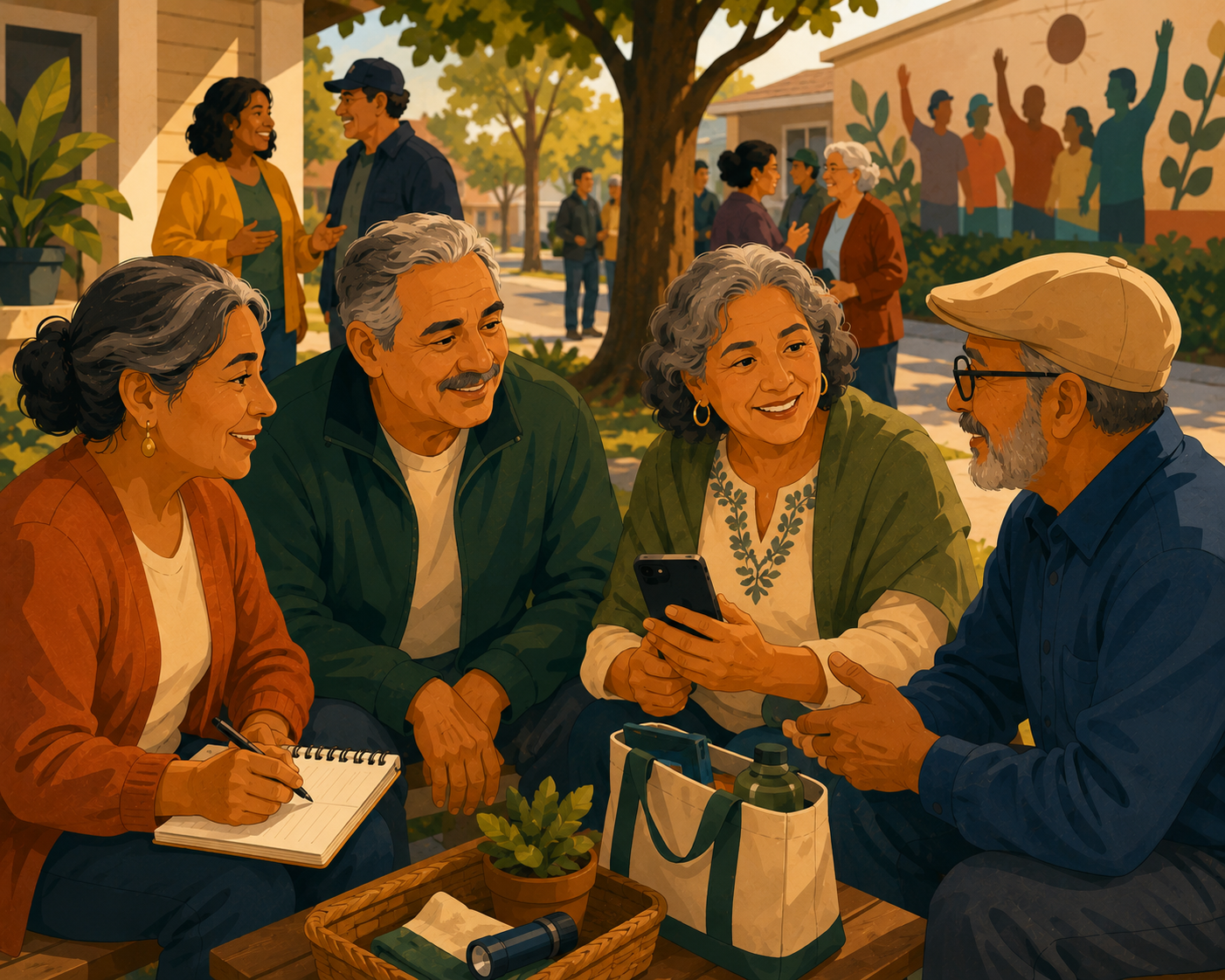
089 - Community Connections Increase Safety
Strong communities make people safer. Friends, neighbors, family members, community groups, and trusted organizations often provide support, advice, and an extra set of eyes when something doesn't seem right. This article explores how social connections can help protect people from scams, fraud, isolation, and other challenges. Staying connected isn't just good for emotional well-being—it's also an important part of personal safety and resilience. When people share information, look out for one another, and know where to turn for help, entire communities become stronger, more informed, and better prepared to face difficult situations together.
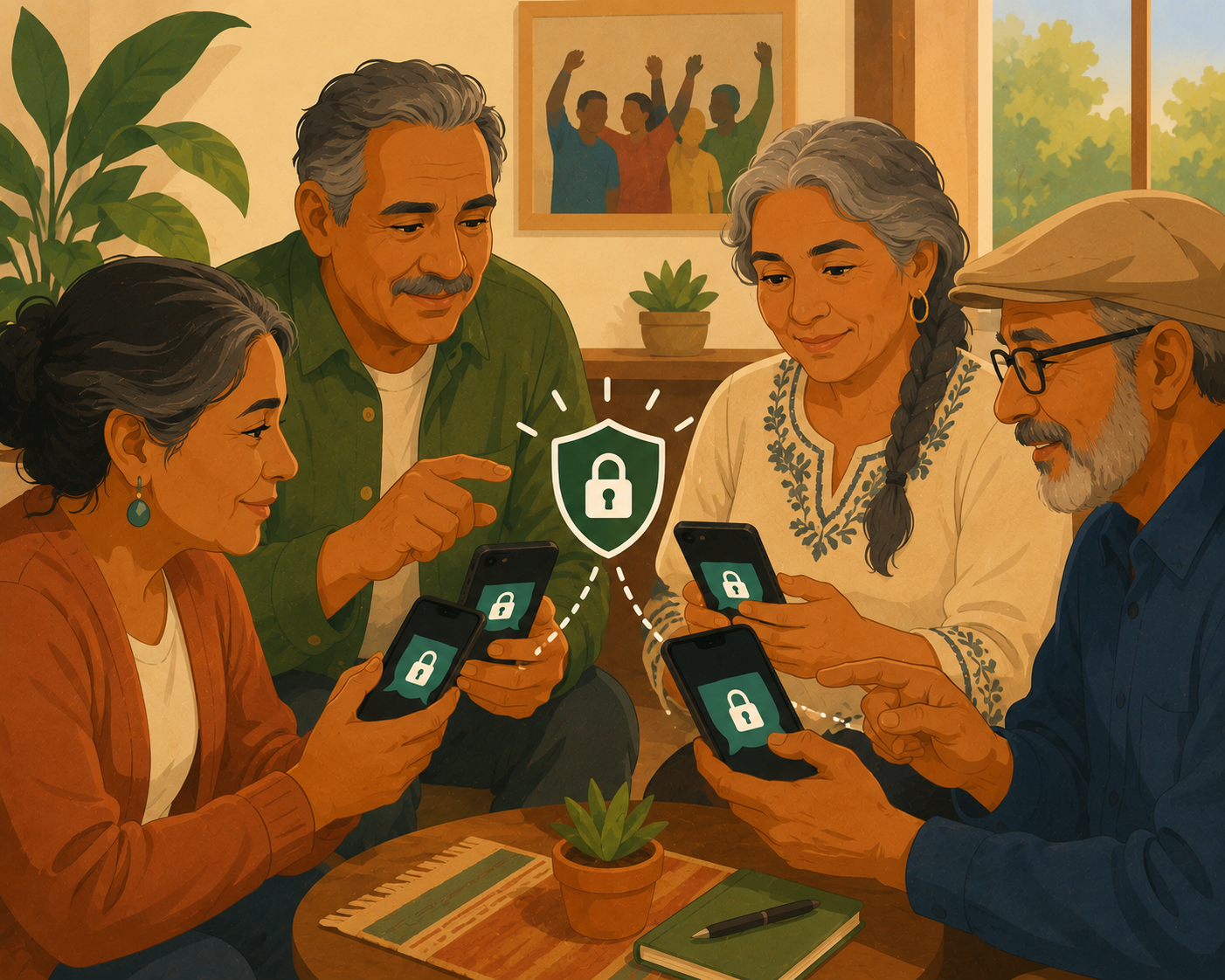
088 - Use Secure Messaging Apps
Private conversations often contain personal information, sensitive discussions, and details you wouldn't want exposed to others. Secure messaging apps can help protect those conversations by making it more difficult for unauthorized people to access them. This article explains why the way messages are transmitted and stored matters and encourages readers to think about privacy when choosing communication tools. While no technology is perfect, using more secure messaging options can provide greater confidence that your conversations remain between you and the people you trust. Privacy isn't just for secrets—it's for maintaining control over your personal information.
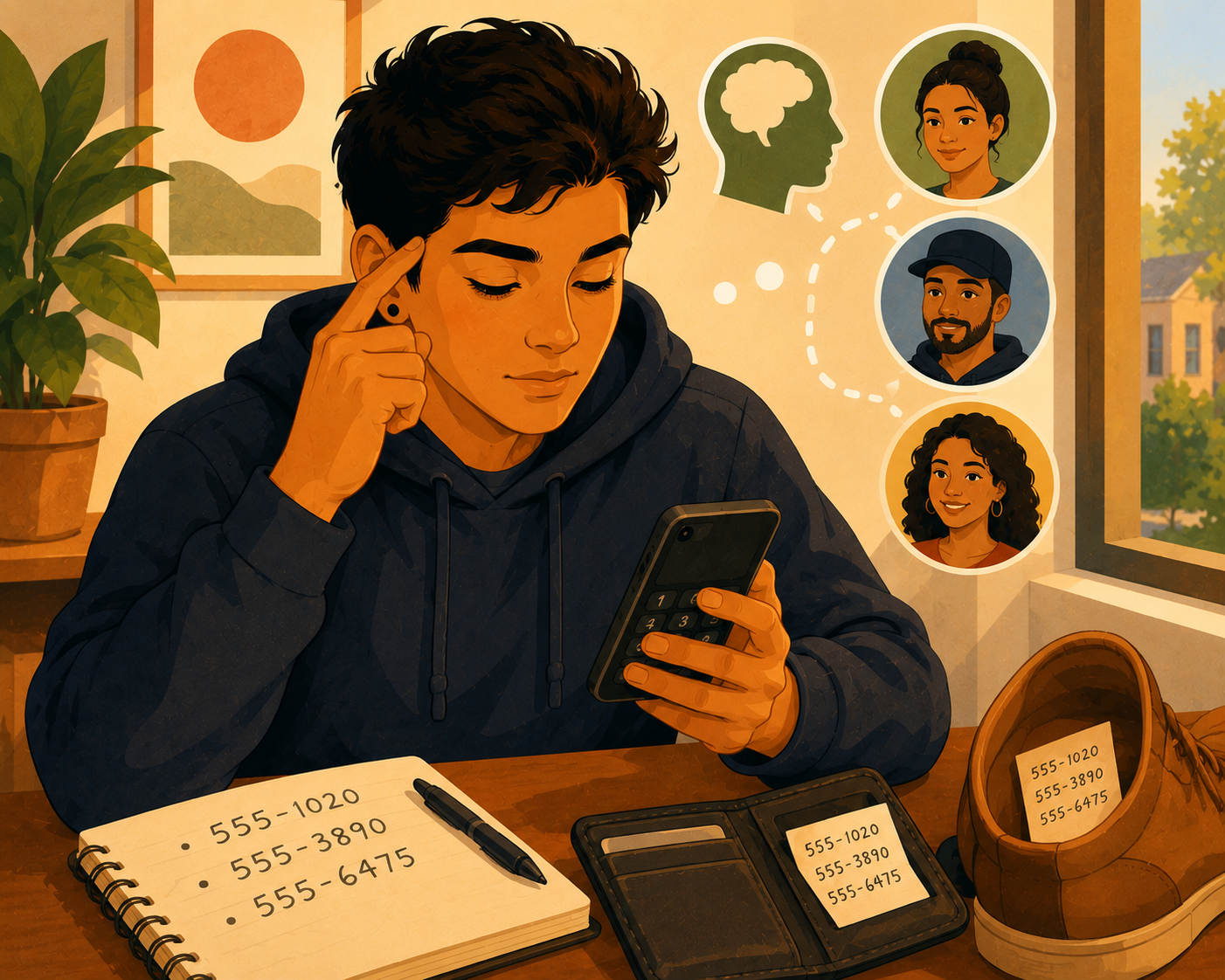
087 - Memorize Key Phone Numbers
In an age where most phone numbers are stored on our devices, it's easy to forget what happens if a phone is lost, stolen, damaged, or out of battery. Knowing a few critical phone numbers from memory can make a significant difference during an emergency. This article explains why memorizing important contacts remains a valuable skill and encourages readers to identify the numbers they would need most in a crisis. A small amount of preparation today can help you stay connected to family, friends, and essential services when technology is unavailable or unreliable.
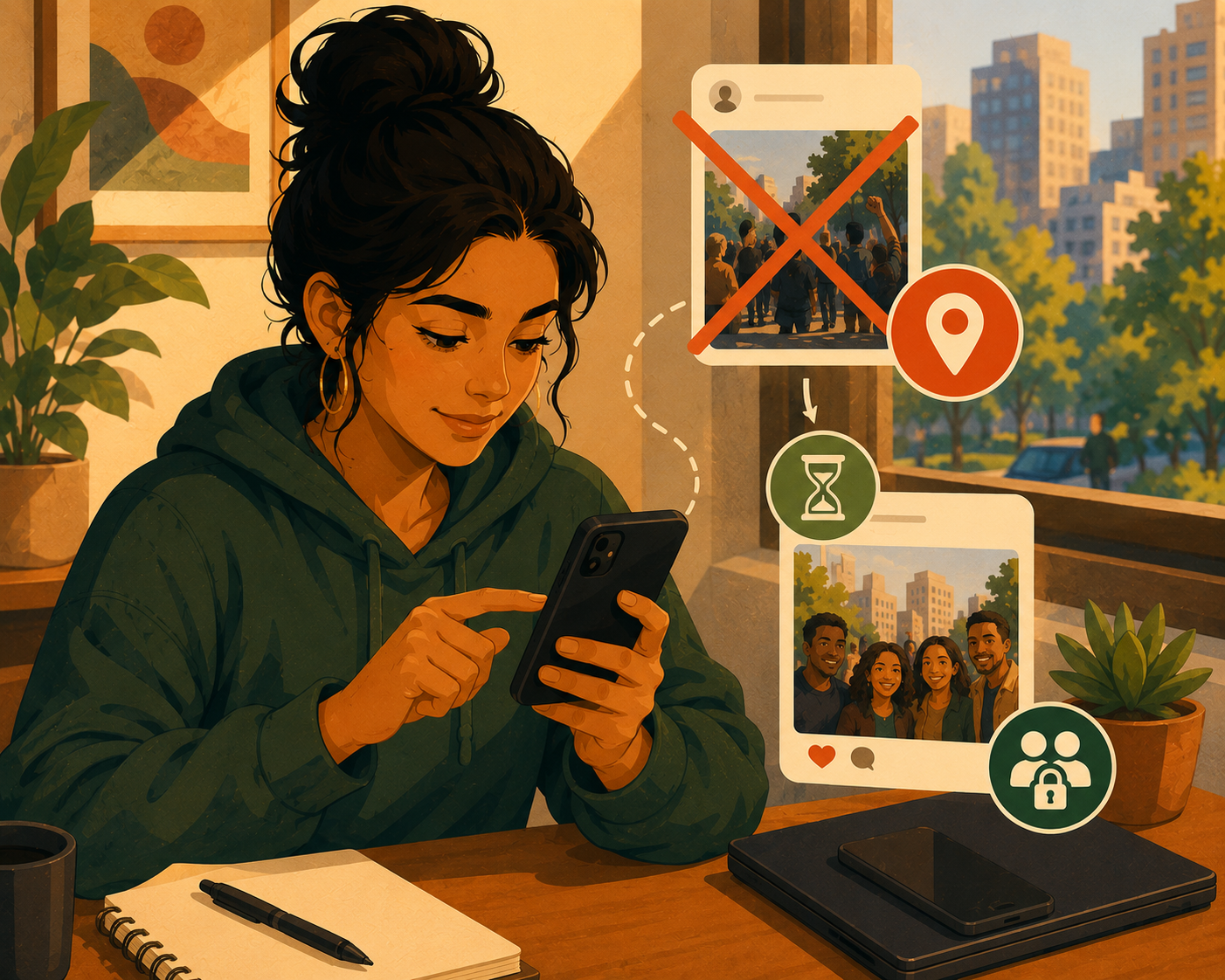
086 - Be Careful With Public Posts
What you share publicly online can often be seen by far more people than you intended. Posts on social media, public forums, community groups, and other online spaces may be viewed, copied, archived, or shared long after they were originally published. This article encourages readers to think carefully before posting personal information, photos, opinions, or updates in public spaces. A few moments of reflection can help protect your privacy, reduce misunderstandings, and prevent information from being used in ways you never expected. Being thoughtful about public posts is an important part of maintaining control over your digital life.
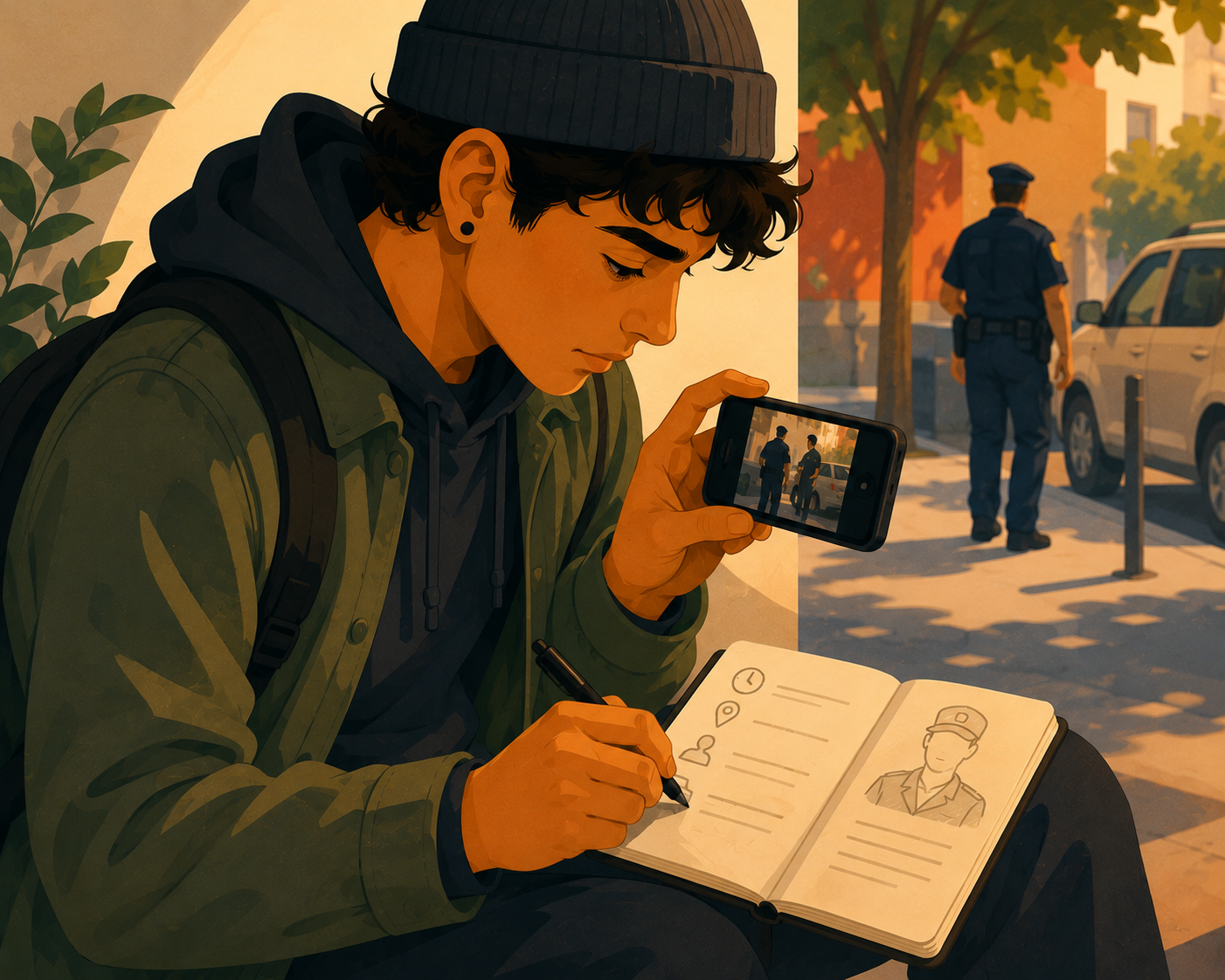
085 - Document Harassment Safely
Harassment can be frightening, overwhelming, and difficult to navigate, especially when it happens online. Keeping accurate records of unwanted messages, threats, or abusive behavior can make it easier to seek help, report misconduct, and protect yourself if a situation escalates. This article explains why documentation matters and encourages readers to preserve evidence in a safe, organized way. Taking a few simple steps today can help you maintain a clear record of events and provide valuable information if support from friends, community organizations, employers, schools, or law enforcement becomes necessary.
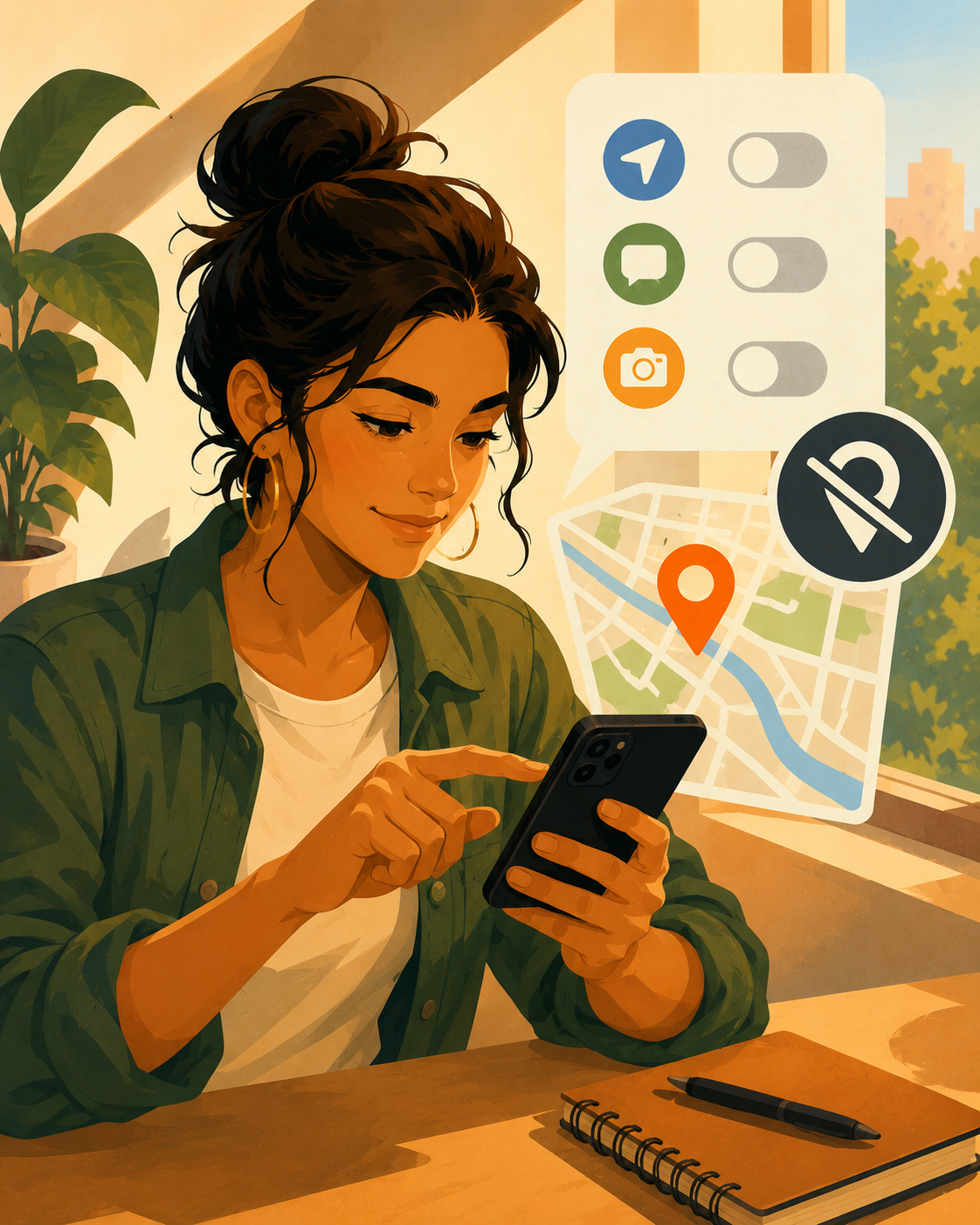
084 - Turn Off Location Sharing When Needed
Location sharing can be helpful for navigation, safety, and staying connected, but it isn't always necessary. Many apps continue collecting or sharing location information long after the original need has passed. This article encourages readers to think intentionally about when location sharing is useful and when it may create unnecessary privacy risks. Understanding who can see your location and how that information is used can help you make more informed choices about your personal safety and privacy. Sometimes the best way to protect yourself is simply knowing when to turn location sharing off.
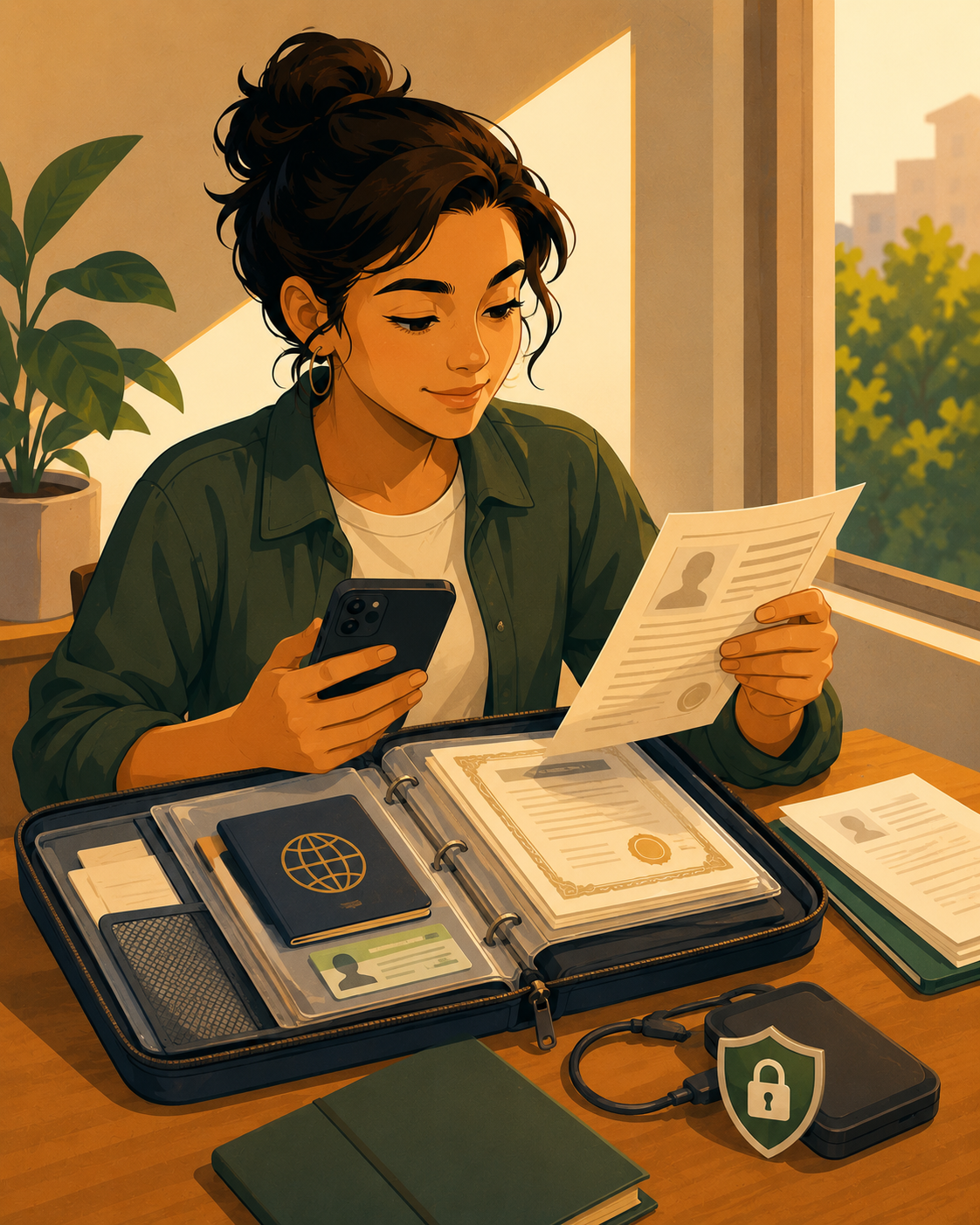
083 - Protect Important Documents
Important documents often become most valuable during life's most difficult moments. Birth certificates, identification cards, insurance records, legal paperwork, and emergency information can be difficult or costly to replace if they're lost, damaged, or stolen. This article encourages readers to think proactively about organizing, protecting, and backing up critical documents before a crisis occurs. A little preparation today can reduce stress, speed recovery after an emergency, and help ensure that important information is available when it's needed most. Protecting your documents is a simple step that can provide lasting peace of mind.

082 - Create an Emergency Contact Plan
Not every problem can be solved alone, especially during a crisis. Whether it's a medical emergency, natural disaster, personal safety concern, or unexpected life event, having a plan for who to contact and how to reach them can make a difficult situation more manageable. This article explains why emergency contact planning matters and encourages readers to think ahead before they need help. A few minutes spent organizing important names, phone numbers, and resources today can provide reassurance and save valuable time when every minute counts. Preparation is one of the simplest forms of resilience.

081 - Know Your Rights During Encounters
Different websites, apps, and online communities offer different levels of safety, privacy, and moderation. A platform that works well for one purpose may not be the best choice for another. This article encourages readers to think critically about the digital spaces they use and to understand how platform policies can affect their experience. Knowing that not all online environments are equally safe can help you make more informed decisions about where you share information, build relationships, and spend your time. Choosing the right platform is an important part of protecting your privacy and well-being online.