080 - You Deserve To Feel Safe Online
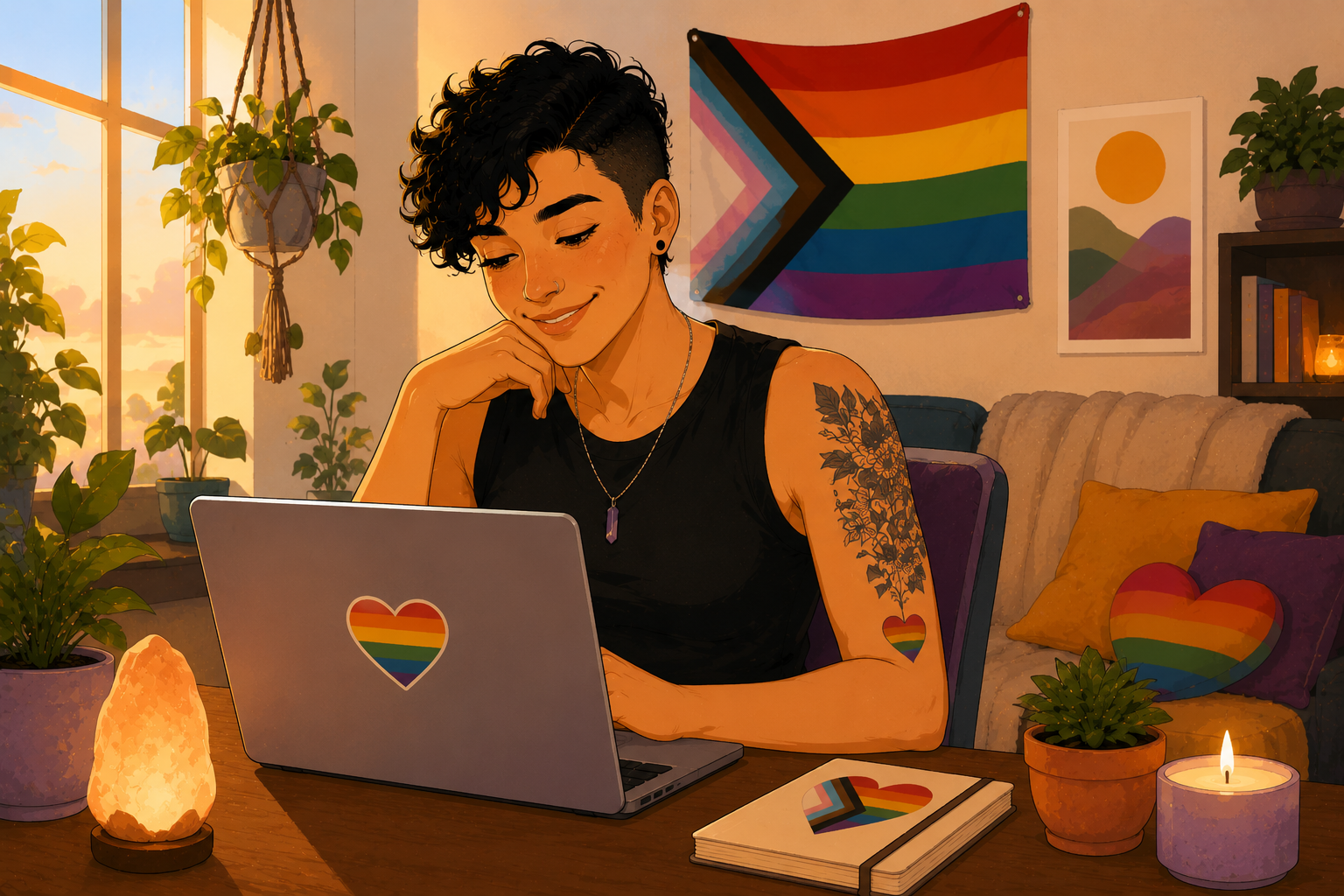
Online spaces are strongest when people feel safe, welcomed, and respected. Unfortunately, scammers, trolls, and bad actors often target communities that are already facing social, economic, or cultural challenges. This article explores why vulnerable communities are frequently singled out and how awareness can help reduce the risk of exploitation. Understanding these tactics is an important step toward building safer, more resilient communities both online and offline. Knowledge, mutual support, and shared experiences can help people recognize warning signs earlier and protect themselves and others from those who seek to take advantage of trust and vulnerability.
079 - Think Carefully About Shared Photos
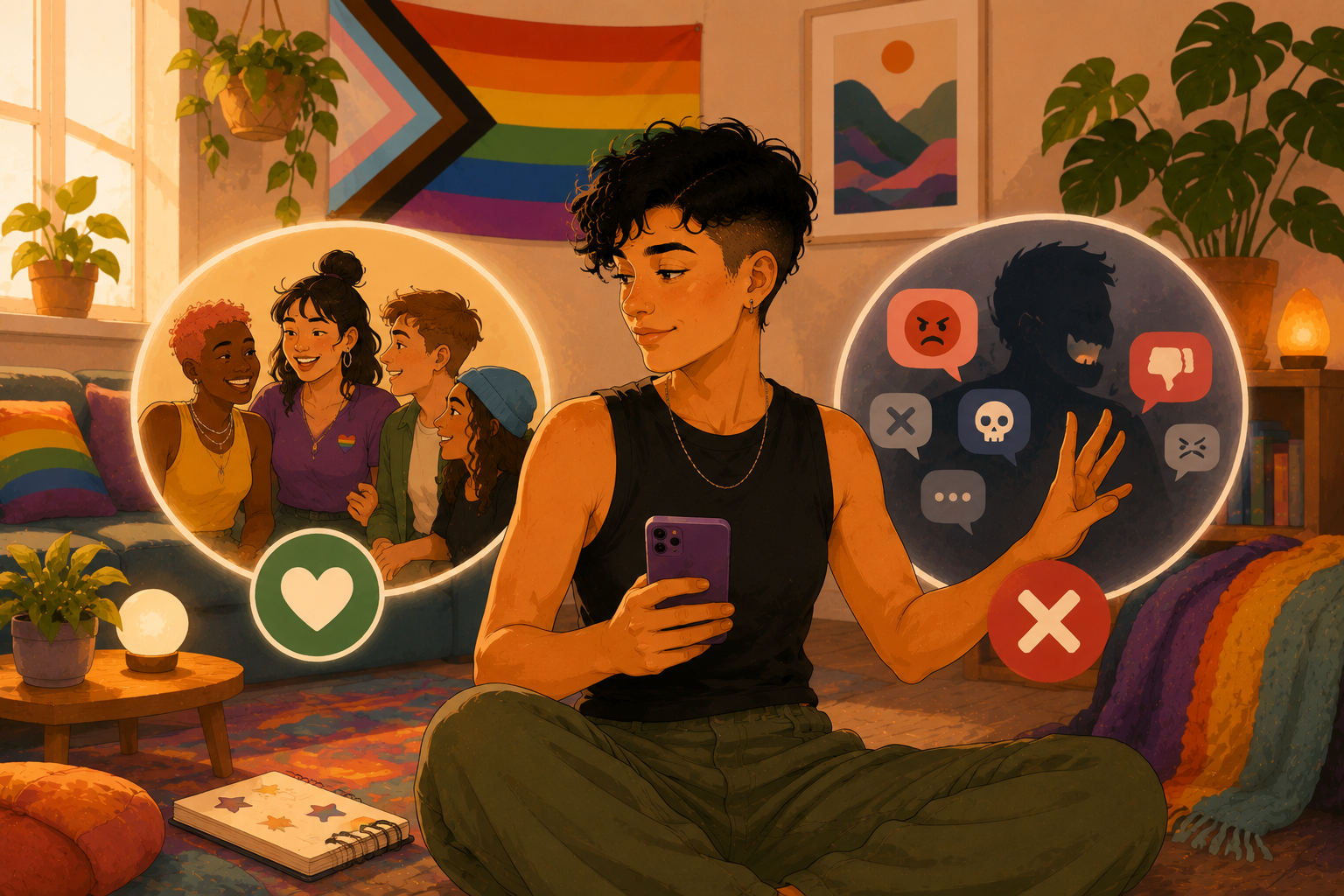
Photos can reveal more than we realize, including where we are, who we spend time with, and details about our homes, routines, or relationships. Once shared, an image can be saved, copied, or passed along without permission. This article encourages readers to pause before posting or sending photos and consider who might see them later. A little thought before sharing can help protect privacy, safety, and peace of mind.
078 - Not Every Platform Is Equally Safe
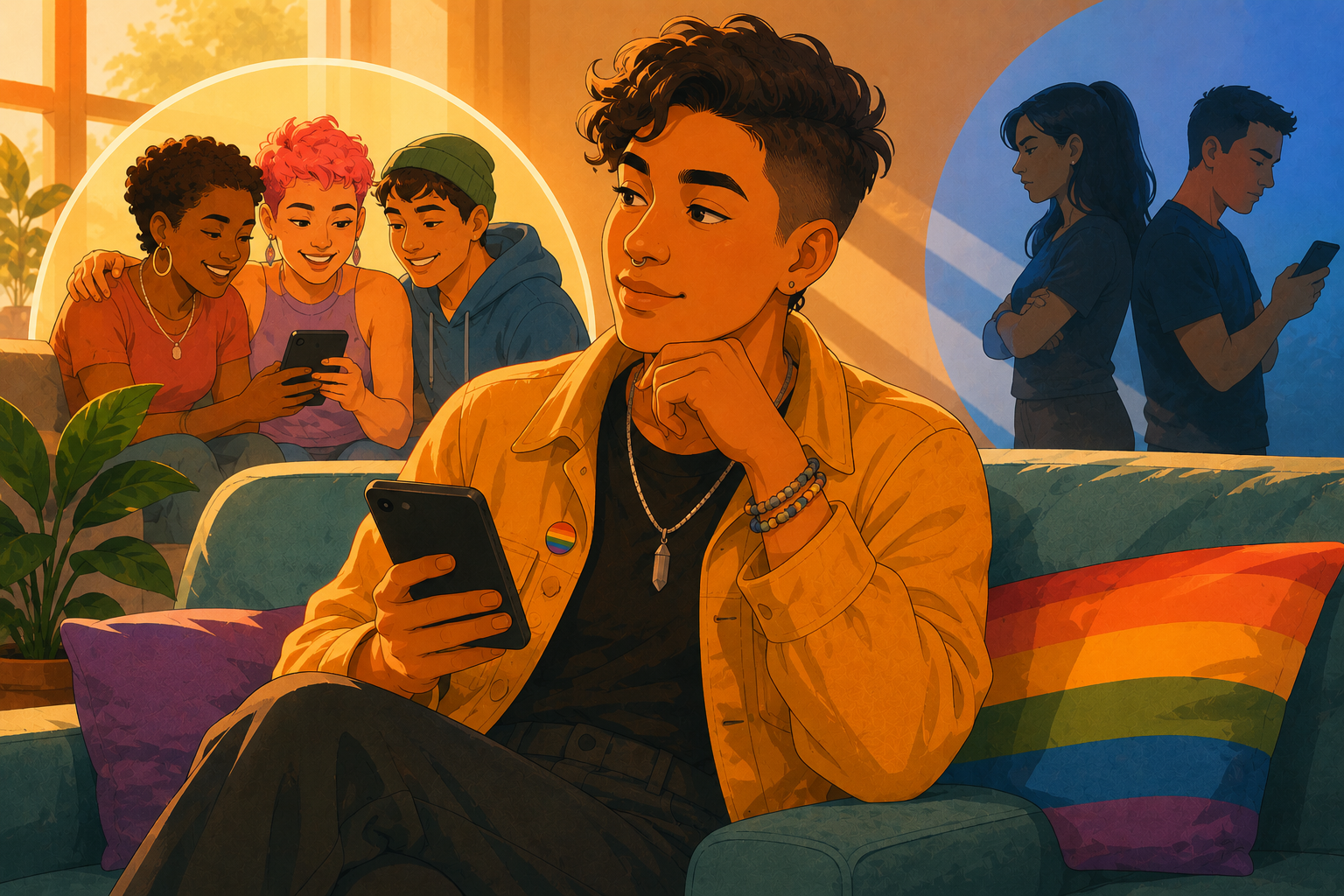
Every website, app, and online community has its own approach to privacy, moderation, security, and user protection. Some platforms invest heavily in creating safer environments, while others offer fewer safeguards. This article encourages readers to think critically about where they spend their time online and what risks may come with different digital spaces. Understanding that not all platforms provide the same level of protection can help you make more informed choices about what information you share, who you interact with, and how you protect yourself. Choosing safer spaces is an important part of staying safe online.
077 - Backup Important Contacts and Resources
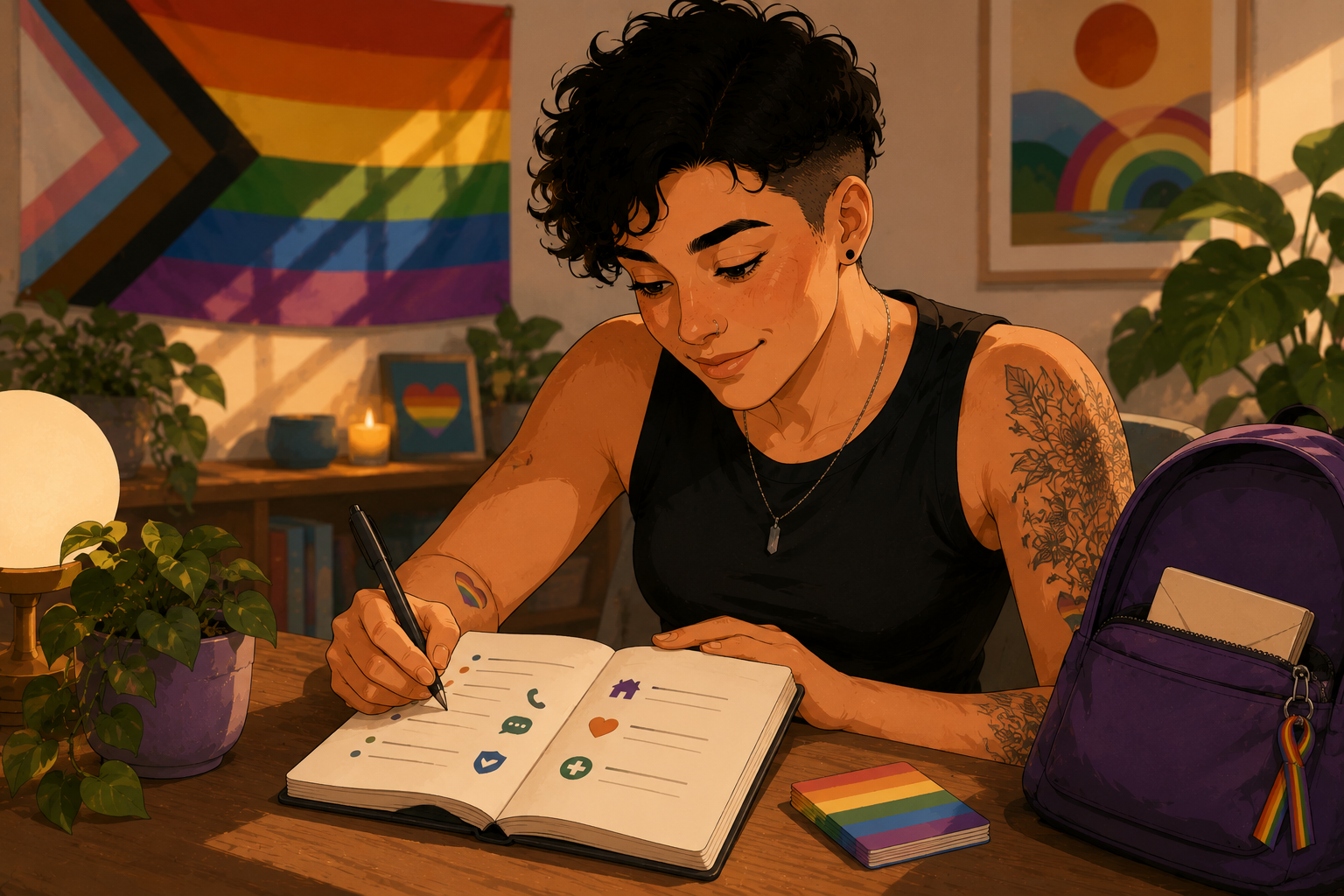
Phones contain more than contacts—they often hold the information needed to reconnect with family, healthcare providers, service organizations, support groups, and other important resources. Losing access to that information during an emergency can create unnecessary stress at exactly the wrong time. This article explains why backing up important contacts and resource lists is a valuable part of personal preparedness. Taking a few simple steps today can help ensure that the people and services you depend on remain accessible when you need them most. Sometimes resilience begins with knowing how to find help when circumstances change unexpectedly.

076 - Digital Safety Is Emotional Safety Too
Digital safety isn't just about protecting devices and accounts—it's also about protecting your sense of security, confidence, and well-being. Online harassment, scams, privacy violations, and unwanted attention can have real emotional consequences that extend far beyond the screen. This article explores the connection between digital safety and emotional health, reminding readers that feeling safe online matters just as much as being technically secure. Understanding this relationship can help people make healthier choices, set better boundaries, and seek support when needed. Technology should empower people, not leave them feeling anxious, isolated, or afraid.
075 - Strong Privacy Settings Reduce Harassment
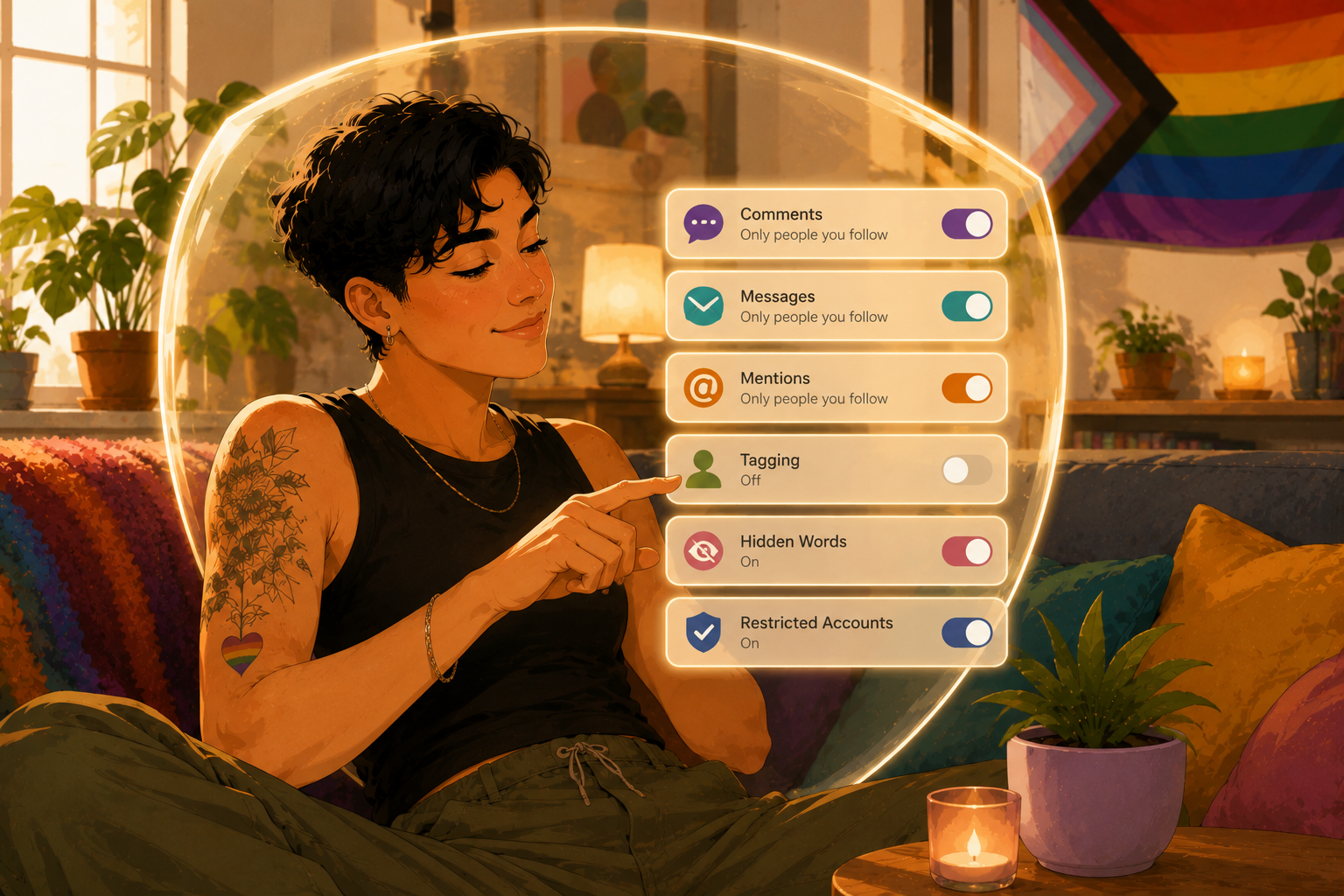
Privacy settings are more than just a convenience—they can be an important tool for reducing unwanted attention, harassment, and invasive behavior online. Many people don't realize how much control they have over who can contact them, view their content, or interact with their accounts. This article explains why strong privacy settings matter and how they can help create a safer, more comfortable online experience. Taking a few minutes to review and adjust your settings can reduce exposure to bad actors while giving you greater control over your digital life. Privacy tools work best when they're actually used.
074 - Watch for Fake “Support” Accounts
Not everyone offering help online is who they claim to be. Scammers frequently create fake customer support accounts on social media, messaging platforms, and forums to target people who are already looking for assistance. These imposters often appear convincing and may try to collect personal information, passwords, or payments. This article explains why fake support accounts are so common and how to recognize warning signs before engaging. Understanding how these scams work can help you find legitimate assistance, avoid fraud, and feel more confident when seeking help with technology, financial services, or online accounts.

073 - Dating Apps Require Safety Planning
Dating apps can create opportunities for meaningful relationships, but they also require thoughtful planning and awareness. Meeting new people online involves sharing personal information, building trust, and sometimes transitioning from digital conversations to in-person meetings. This article explores practical ways to approach online dating more safely while protecting your privacy, personal security, and emotional well-being. Understanding common risks doesn't mean expecting the worst—it means preparing for the best while staying aware of potential concerns. A little planning can help you focus on making genuine connections with greater confidence and peace of mind.

072 - You Control Your Digital Boundaries
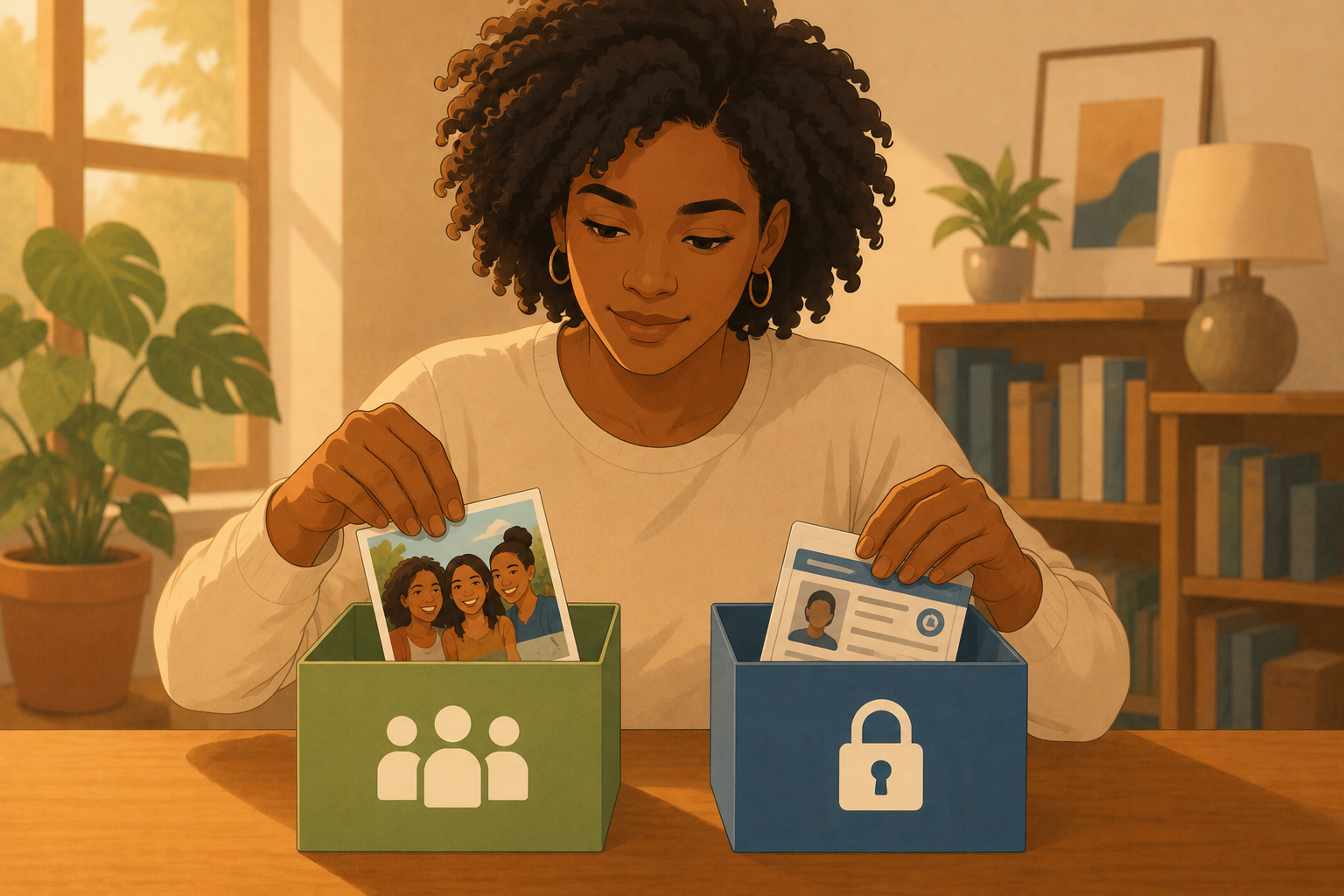
Not everything about your life needs to be visible to everyone. Separating public information from private information is one of the most effective ways to protect your privacy, reduce risk, and maintain control over your personal life. This article explores why being thoughtful about what you share—and where you share it—can help prevent identity theft, scams, harassment, and unwanted attention. Understanding digital boundaries doesn't mean hiding from the world; it means making intentional choices about who has access to different parts of your life. Privacy is not secrecy—it's control.

071 - Scammers Often Target Vulnerable Communities
Two-factor authentication adds an extra layer of protection between your accounts and the people who want to access them without permission. Even if a password is stolen, this simple security feature can make it much harder for criminals to take over your accounts. This article explains why two-factor authentication is one of the most effective steps you can take to protect your identity, personal information, and online services. A few minutes of setup can significantly reduce your risk of fraud, account compromise, and identity theft, making it one of the best security investments available.
070 - Your Privacy Matters in Healthcare and Support Spaces
Medical information, counseling discussions, support groups, and personal health challenges often involve some of the most private details of our lives. Feeling confident that this information will be treated with care is essential for building trust and seeking help when it's needed. This article explores why privacy matters in healthcare and support settings and encourages readers to understand their rights and responsibilities when handling sensitive information. Respecting privacy helps create safer, more supportive environments where people can seek assistance, share concerns, and access services without fear of judgment, exposure, or unwanted disclosure.
069 - Screenshots Can Spread Quickly
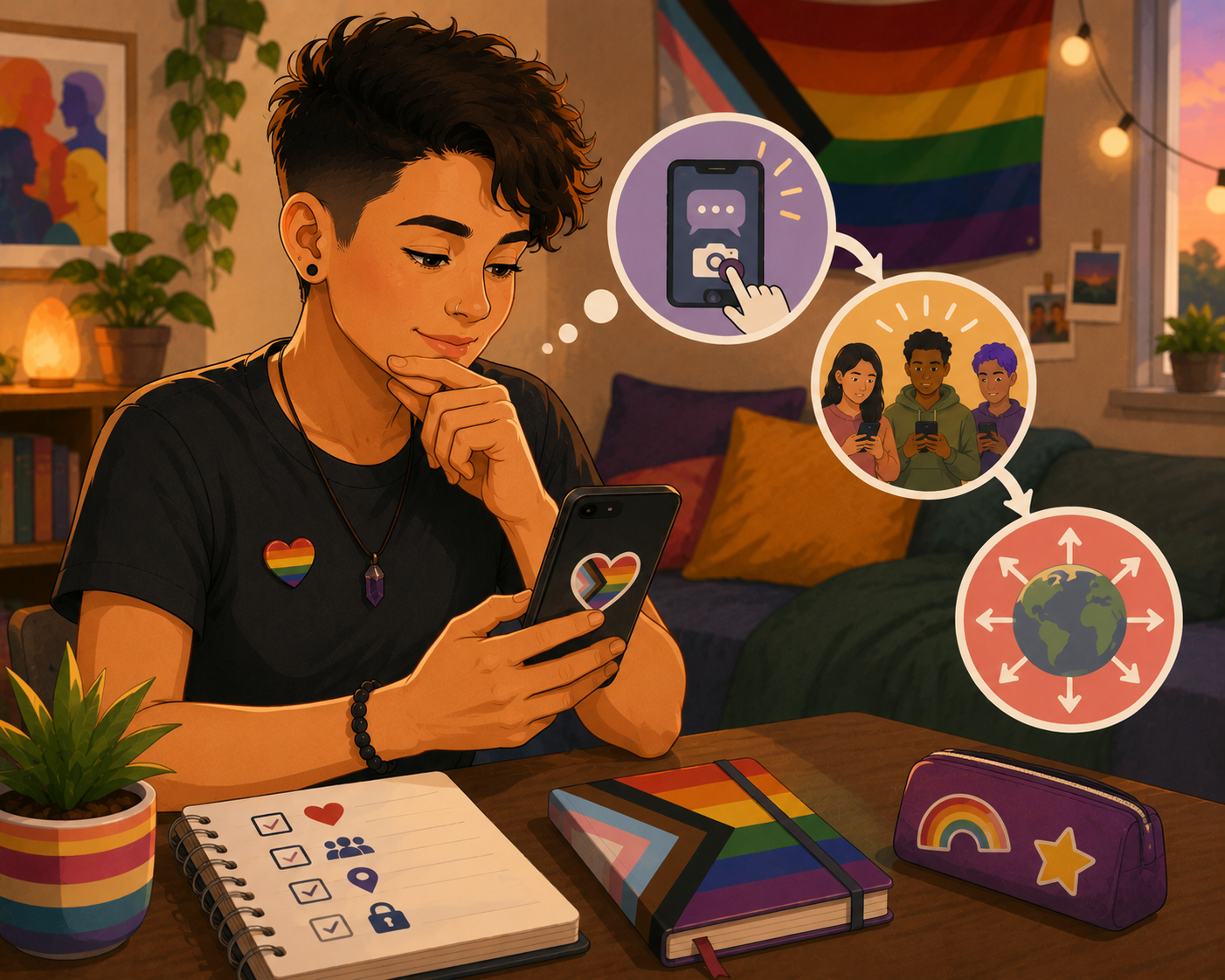
A private conversation can become public in seconds. Screenshots make it easy for messages, photos, and posts to be copied and shared far beyond their intended audience, often without permission. This article encourages readers to think carefully about what they share online and to remember that digital content can travel much farther than expected. Understanding how quickly information can spread helps people make better decisions about privacy, trust, and communication. A little caution today can help prevent misunderstandings, embarrassment, and unintended consequences tomorrow.

068 - Outing Someone Without Permission Is Harmful
Everyone deserves the right to decide when, how, and whether to share personal information about themselves. Revealing someone's identity, personal history, relationships, or private circumstances without their consent can cause real harm, even when the intent is not malicious. This article explores why privacy, trust, and personal autonomy matter in both online and offline spaces. Understanding the impact of sharing sensitive information about others can help foster more respectful relationships and safer communities. A simple rule often applies: if the information isn't yours to share, it may be best to keep it private.
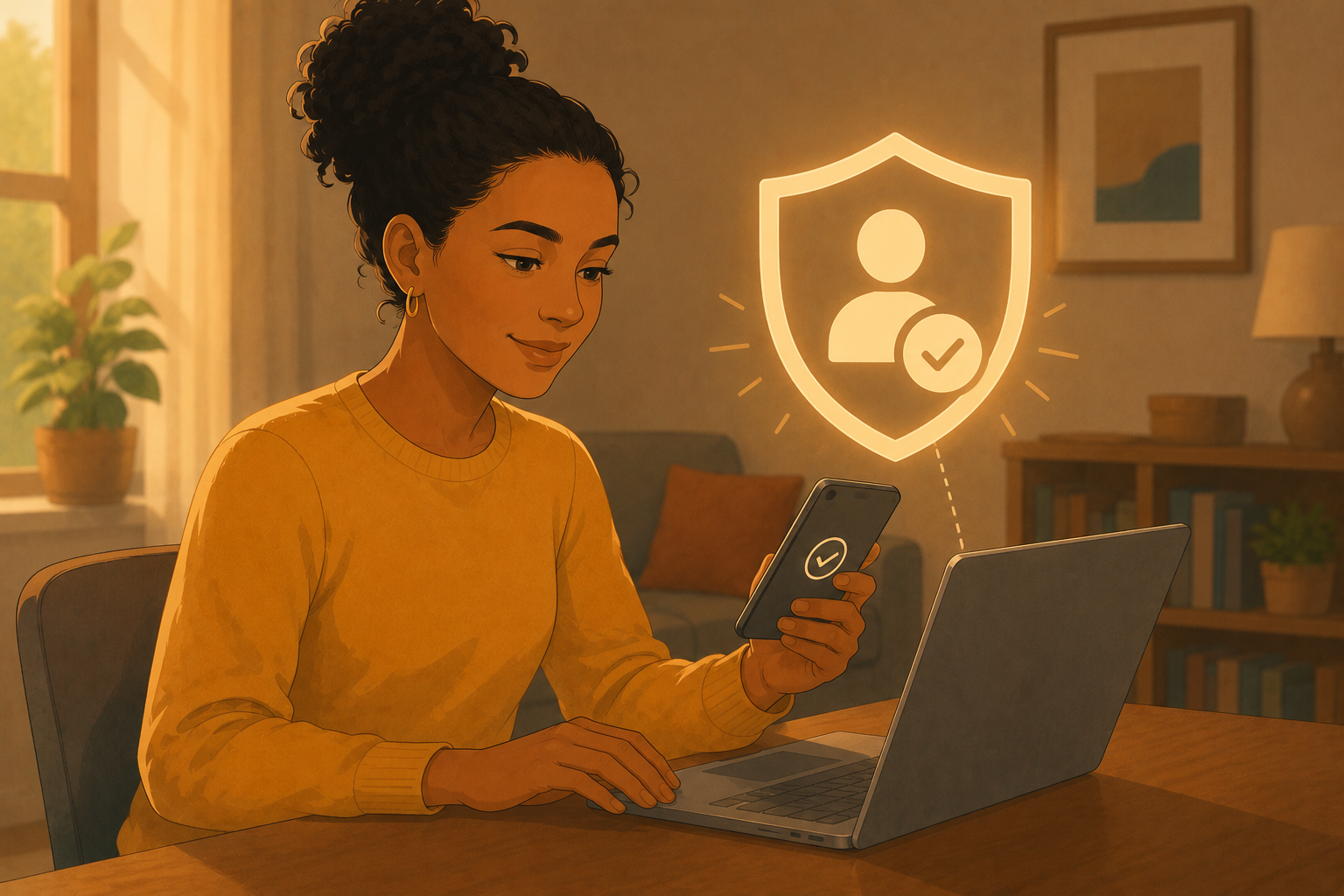
067 - Two-Factor Authentication Helps Protect Your Identity
Harassment, threats, and intimidation have become common experiences for many people online, but that doesn't mean they should be accepted as normal. Everyone deserves to participate in digital spaces without fear of abuse or targeted hostility. This article explores the real impact online harassment can have on individuals and communities while encouraging readers to support healthier online interactions. Understanding how harassment affects others can help build more respectful, welcoming, and inclusive digital spaces. The internet works best when people feel safe to participate, share ideas, and connect without being subjected to abuse.
066 - Be Cautious With Shared Family Devices
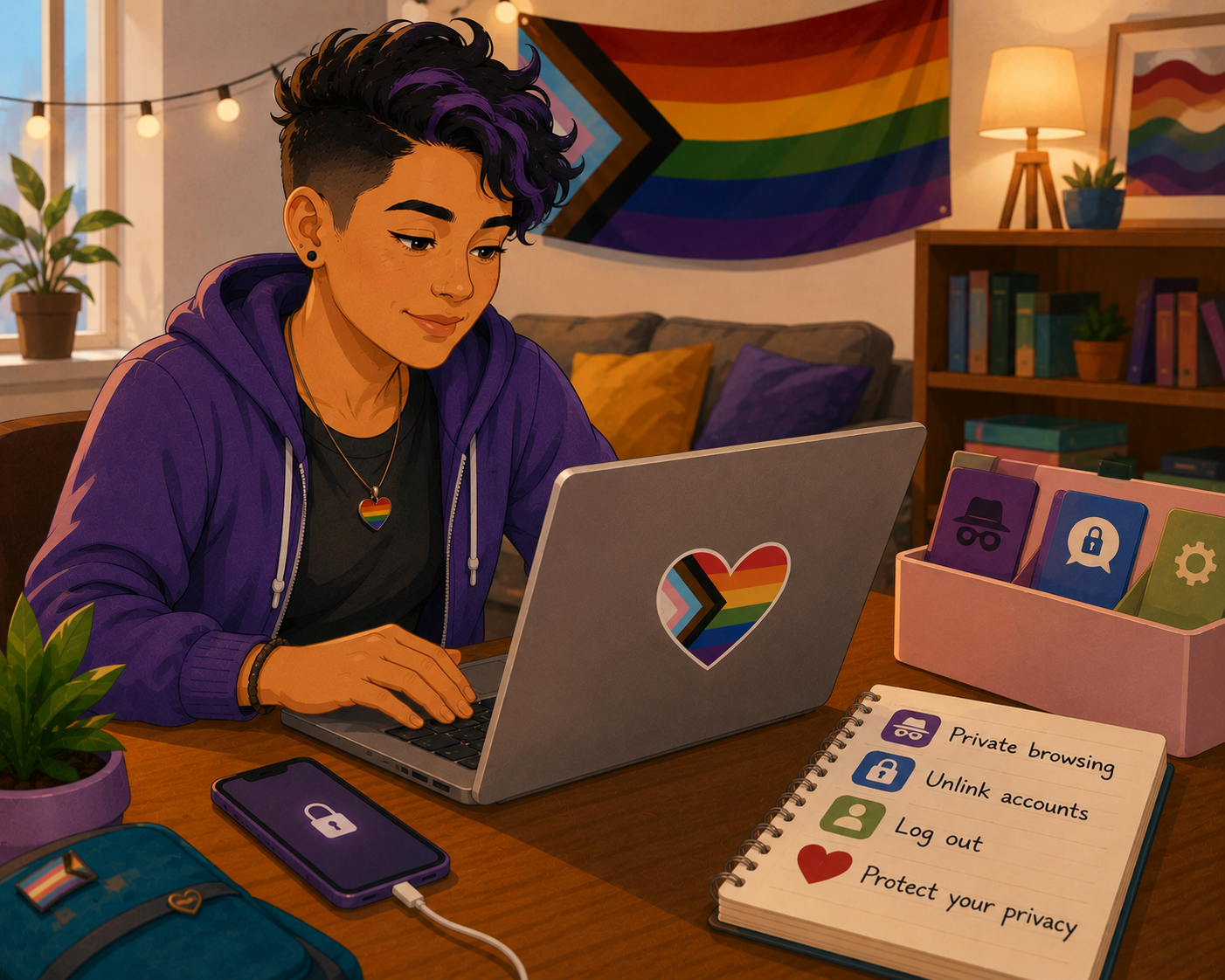
Shared computers, tablets, and other family devices can be convenient, but they also create unique privacy and security challenges. Personal information, saved passwords, messages, browsing history, and financial accounts can sometimes be accessed by others without anyone intending harm. This article explores simple ways to use shared devices more safely while respecting the privacy of everyone who uses them. Understanding these risks can help families avoid misunderstandings, protect sensitive information, and create healthier technology habits. A little awareness and a few basic precautions can go a long way toward keeping shared devices both useful and secure.
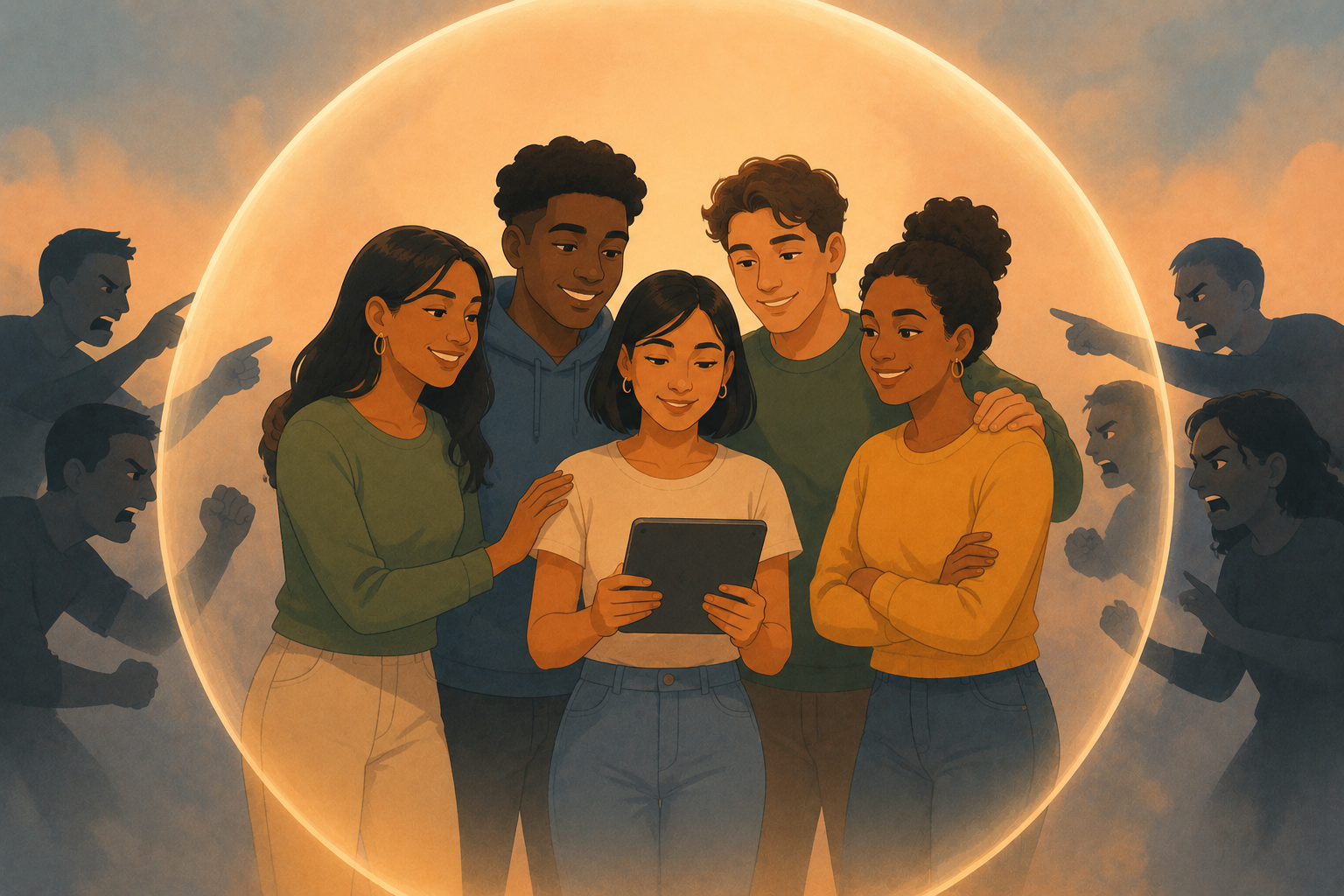
065 - Harassment Should Not Be “Part of the Internet”
A strong support network can be one of the most effective forms of protection. People who regularly talk with trusted friends, family members, neighbors, or community groups are often better equipped to spot scams, avoid manipulation, and recover from difficult situations. This article explores why isolation can increase vulnerability and how meaningful connections help build resilience. Whether online or in person, having people you trust provides opportunities to ask questions, compare experiences, and seek advice before making important decisions. Sometimes the best defense against fraud and exploitation begins with simply having someone to talk to.
064 - Protect Your Devices With Passcodes
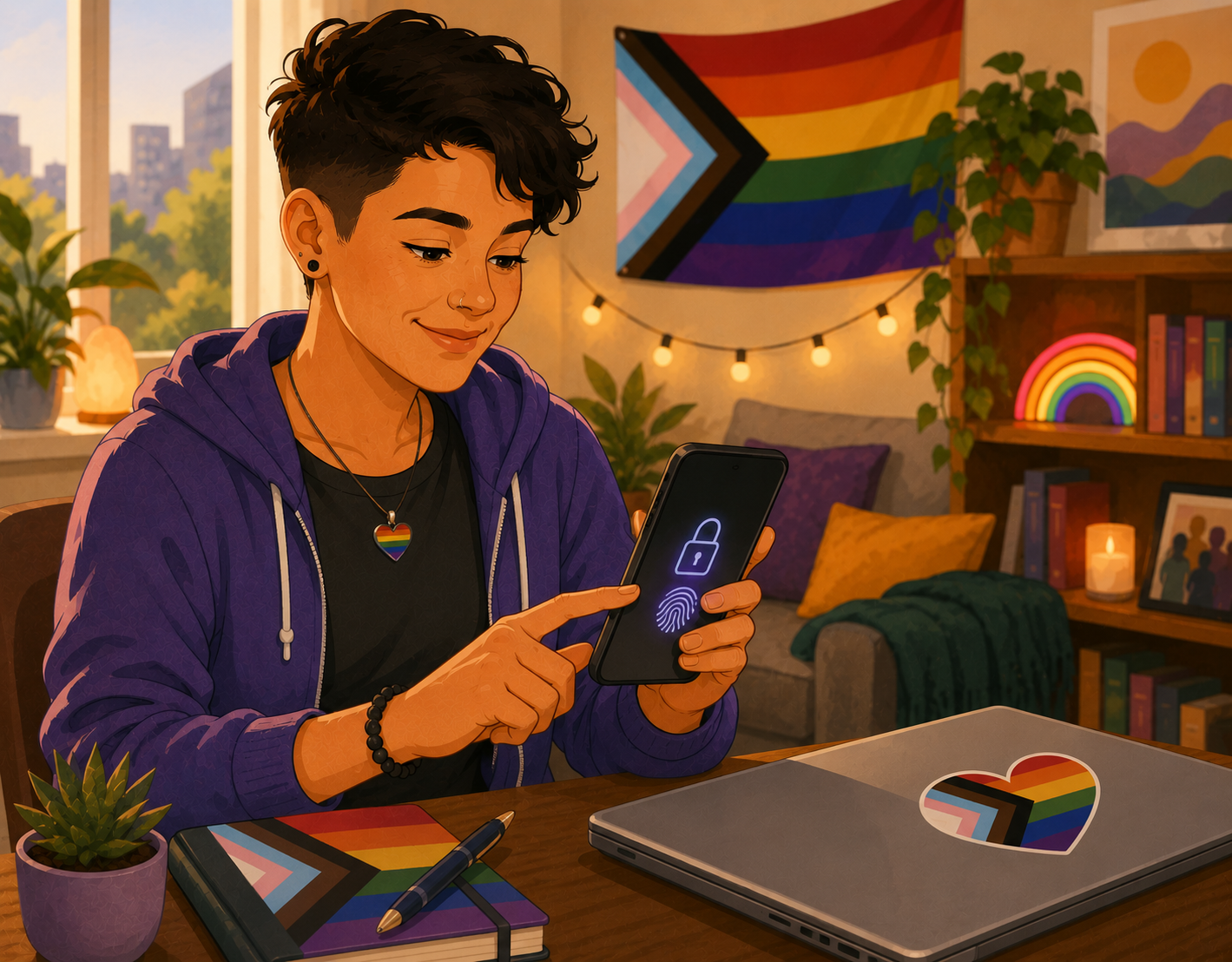
Your phone, tablet, and computer contain a surprising amount of personal information. If a device is lost, stolen, or left unattended, a simple passcode can be the difference between a minor inconvenience and a major privacy problem. This article explains why passcodes remain one of the most effective security tools available and encourages readers to take this simple protective step. Strong passcodes help safeguard personal information, financial accounts, photos, messages, and other sensitive data. Sometimes the most powerful security measures are also the easiest to implement.
063 - Online Communities Can Be Lifelines — But Stay Cautious
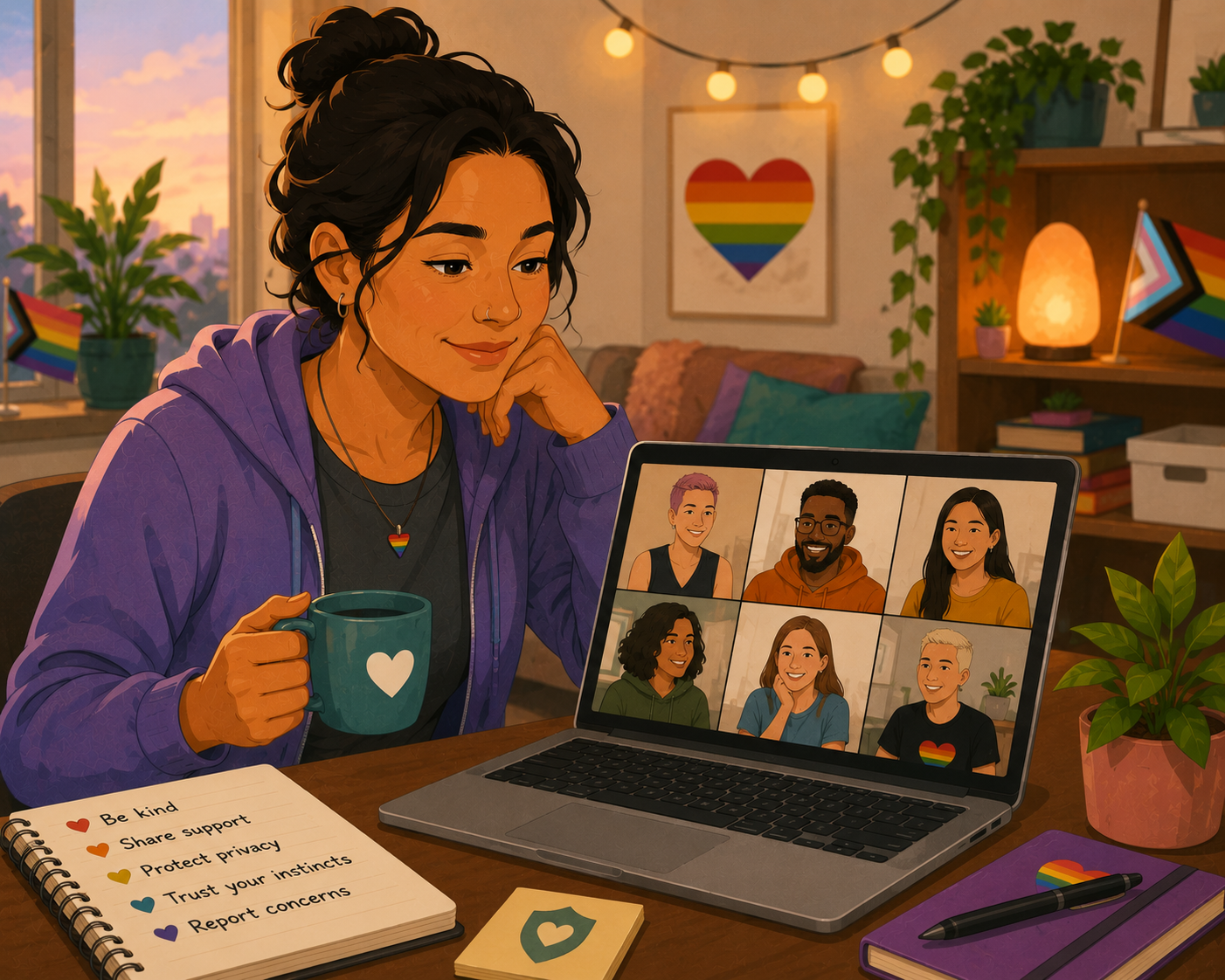
Online communities can provide friendship, support, information, and a sense of belonging—especially for people who feel isolated or misunderstood. Many people find encouragement and valuable resources through online groups and forums. However, not everyone in these spaces has good intentions. This article explores how to enjoy the benefits of online communities while maintaining healthy boundaries and protecting your privacy. Learning to balance openness with caution can help you build meaningful connections without exposing yourself to unnecessary risks. The goal isn't to avoid online communities—it's to participate in them safely, confidently, and with awareness.
062 - Separate Public and Private Information
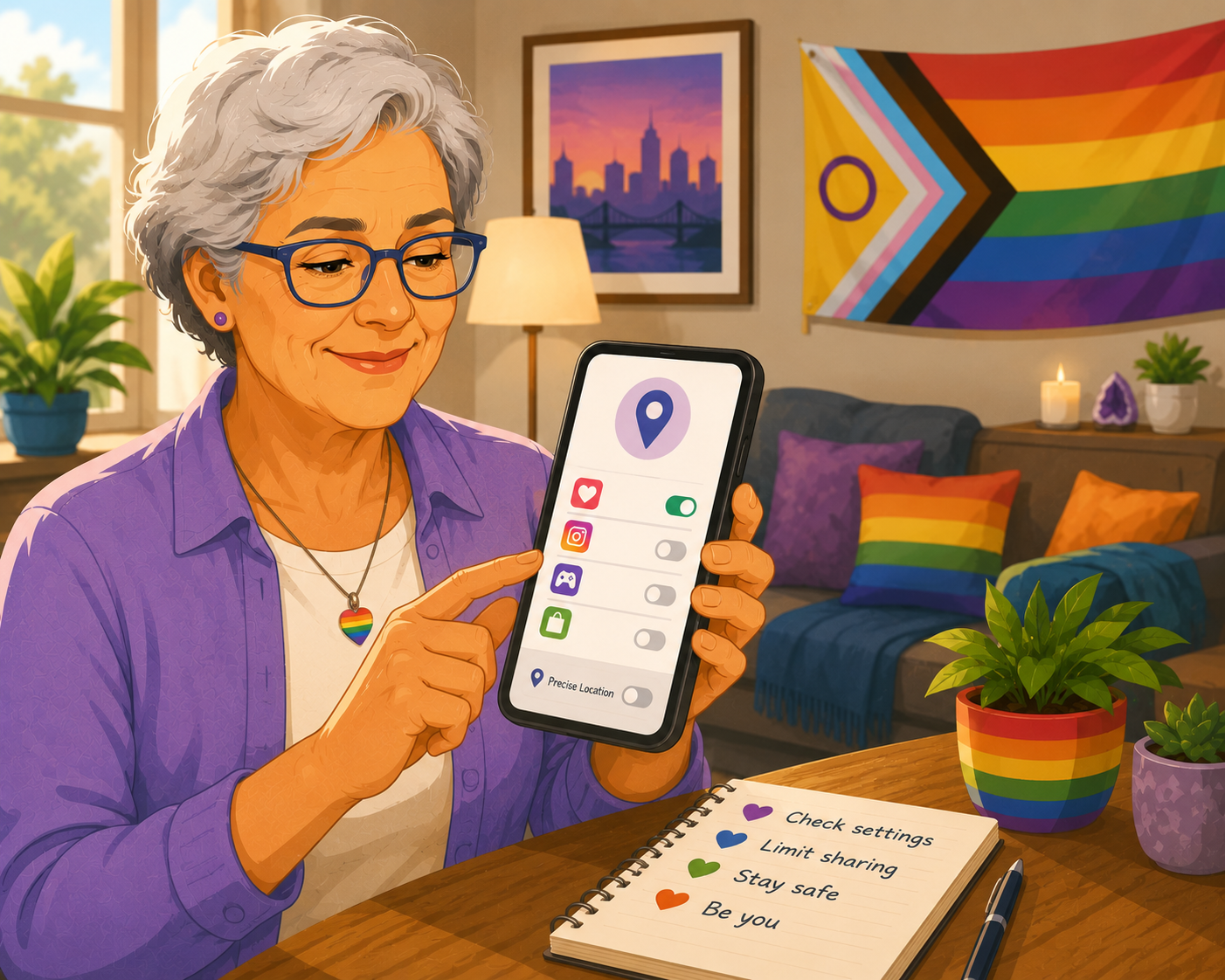
Location sharing can be convenient, but it also reveals information about your routines, habits, and whereabouts. Many apps, social media platforms, and devices collect or share location data without people fully realizing how much is exposed. This article explains why location privacy matters and encourages readers to think carefully about who can see where they are and when. A few simple adjustments can help reduce unnecessary exposure while still allowing you to enjoy the benefits of connected technology. Protecting your location is an important part of protecting your privacy and personal safety.
061 - Be Careful Who Sees Your Location
Your instincts are often picking up on something before your conscious mind has fully processed it. If an email feels suspicious, a phone call seems off, or a request makes you uncomfortable, it's worth paying attention to that feeling. This article explores why trusting your instincts can be an important part of staying safe online and offline. While instincts aren't perfect, they can serve as an early warning system that encourages you to slow down, ask questions, and verify information before acting. Sometimes the smartest response is simply to pause and take a closer look.