
060 - Trust Your Instincts
Everyone needs help sometimes, and reaching out for support is often the first step toward solving a problem. Unfortunately, many people wait too long because they feel embarrassed, overwhelmed, or afraid of being judged. This article offers a reminder that technology challenges, scams, mistakes, and security concerns can happen to anyone. Seeking assistance early can reduce stress, limit damage, and make solutions easier to find. Whether you're helping yourself or supporting a loved one, it's important to remember that asking for help is a sign of strength. It's never too late to start addressing a problem.

059 - Financial Abuse Can Come From People You Know
The people closest to us are often the people we trust most, which can make financial abuse especially difficult to recognize. While many cases involve strangers, exploitation can also come from family members, caregivers, friends, or others in positions of trust. This article encourages readers to pay attention to warning signs, understand common forms of financial abuse, and recognize that protecting someone's finances is also about protecting their independence and dignity. Awareness can help families have important conversations, identify problems earlier, and ensure that vulnerable individuals receive the support and respect they deserve.

058 - Check Before Clicking Email Links
Email remains one of the most common ways scammers try to steal information, spread malware, and trick people into giving away money. Many fraudulent messages look convincing at first glance, making it easy to click before thinking. This article explains why taking a moment to inspect links before opening them is such an important habit. Learning this simple skill can help you avoid phishing attacks, protect your personal information, and make safer decisions online. A few extra seconds of caution can prevent hours of stress, financial loss, and account recovery later.

057 - Be Cautious With Sweepstakes and Lottery Calls
Winning a sweepstakes or lottery sounds exciting, which is exactly why scammers use these stories so often. Unexpected calls, emails, texts, or messages claiming you've won money or prizes are frequently designed to steal personal information or convince you to send payment. This article explains why legitimate prizes don't usually come with upfront fees or urgent demands and highlights common warning signs to watch for. A little skepticism can save a great deal of money and frustration. Understanding how these scams work helps ensure that excitement doesn't become an opportunity for fraud.

056 - Caregivers Should Respect Boundaries
Helping a loved one doesn't mean making every decision for them. Whether you're supporting an aging parent, a family member with a disability, or someone who needs extra assistance, maintaining healthy boundaries is an important part of providing care with dignity and respect. This article explores the balance between protection and independence, encouraging caregivers to empower rather than control. Understanding these boundaries can help strengthen trust, preserve autonomy, and support healthier relationships. Good caregiving isn't just about keeping someone safe—it's also about respecting their choices, privacy, and right to participate in decisions that affect their lives.
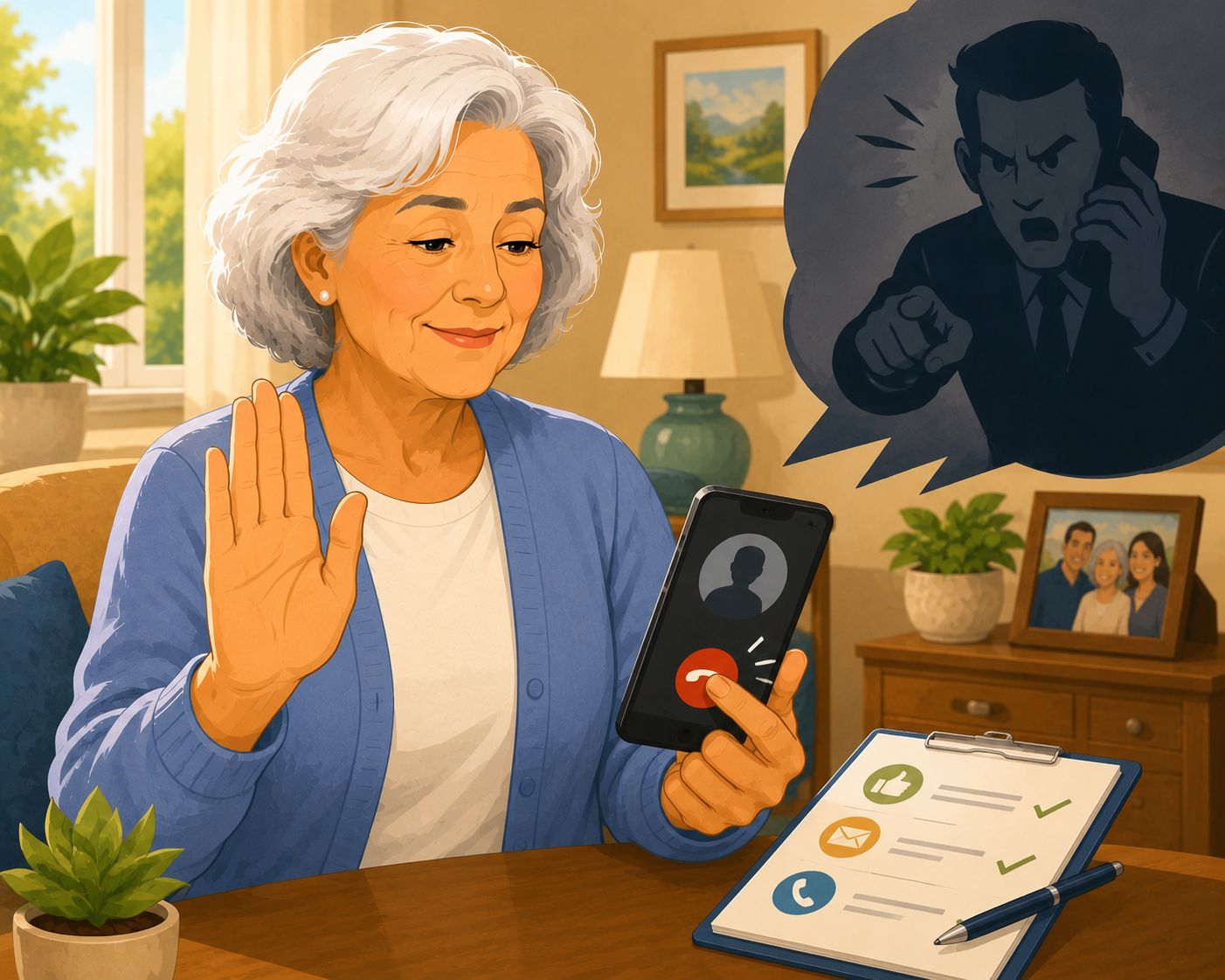
055 - Scammers Use Fear To Gain Control
Fear is a powerful emotion, and scammers know exactly how to use it. Whether they're threatening legal action, claiming an account has been compromised, or warning of an urgent crisis, their goal is often the same: to make you act before you think. This article explains how fear-based scams work and why emotional reactions can cloud judgment. Learning to recognize these tactics can help you slow down, evaluate a situation more clearly, and avoid becoming a victim. The more you understand how scammers manipulate emotions, the easier it becomes to respond with confidence instead of panic.
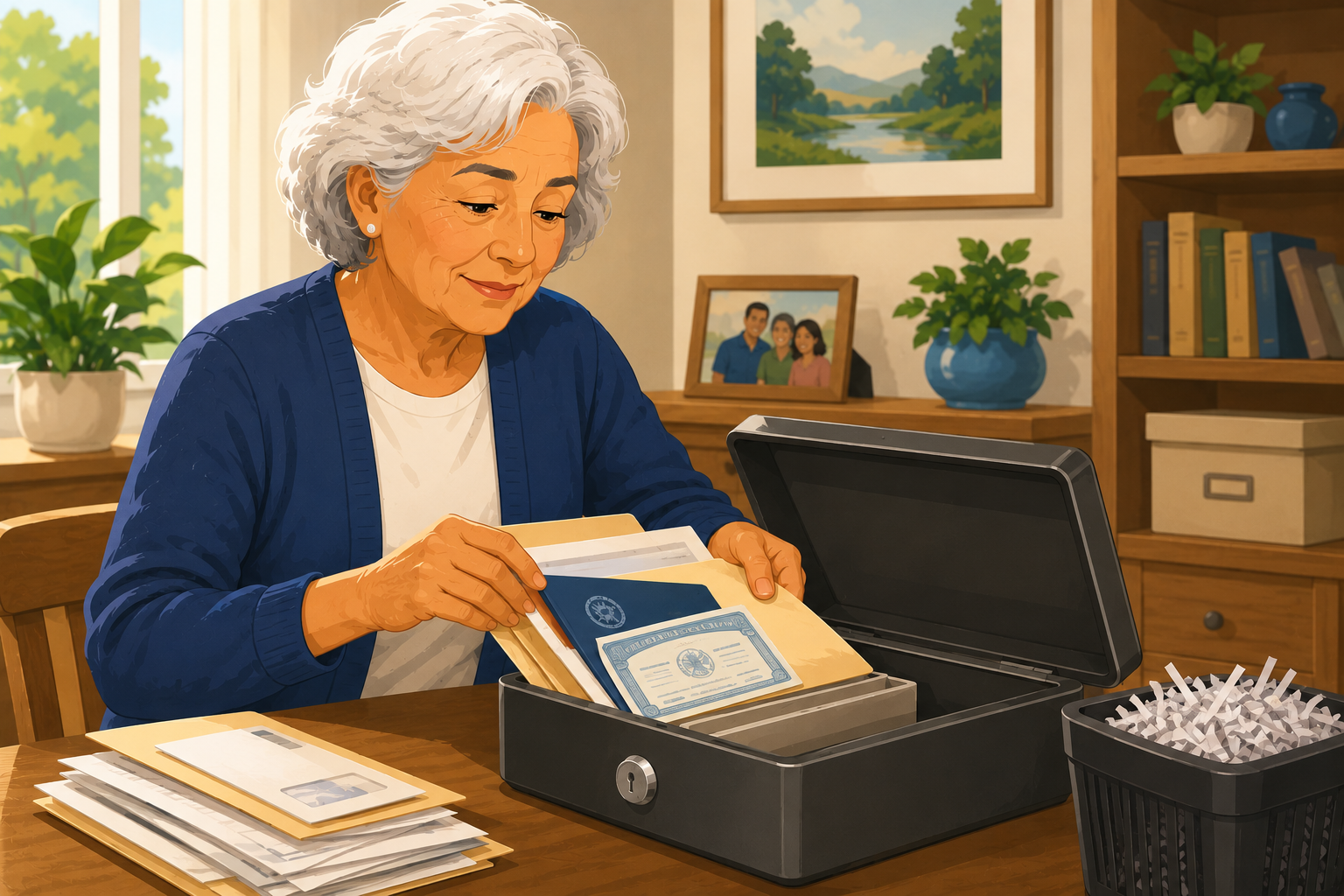
054 - Protect Important Documents
Birth certificates, Social Security cards, passports, insurance records, and other important documents play a critical role in daily life. Losing them—or having them stolen—can create significant stress, expense, and risk. This article explains why protecting important documents matters and encourages readers to think about safe storage, backups, and disaster preparedness. Taking a little time to organize and safeguard these records can make it much easier to recover from emergencies, prevent identity theft, and access the information you need when it matters most.

053 - Charity Scams Increase During Crises
Natural disasters, public emergencies, and major news events often bring out the best in people—but they also attract scammers looking to exploit generosity. Fraudulent charities and fake fundraising campaigns frequently appear during times of crisis, making it difficult to know who to trust. This article helps readers understand why charity scams increase during emergencies and highlights simple ways to verify organizations before donating. A few moments of research can help ensure your generosity reaches the people and causes you intend to support. Giving wisely is one of the best ways to help a community recover and rebuild.
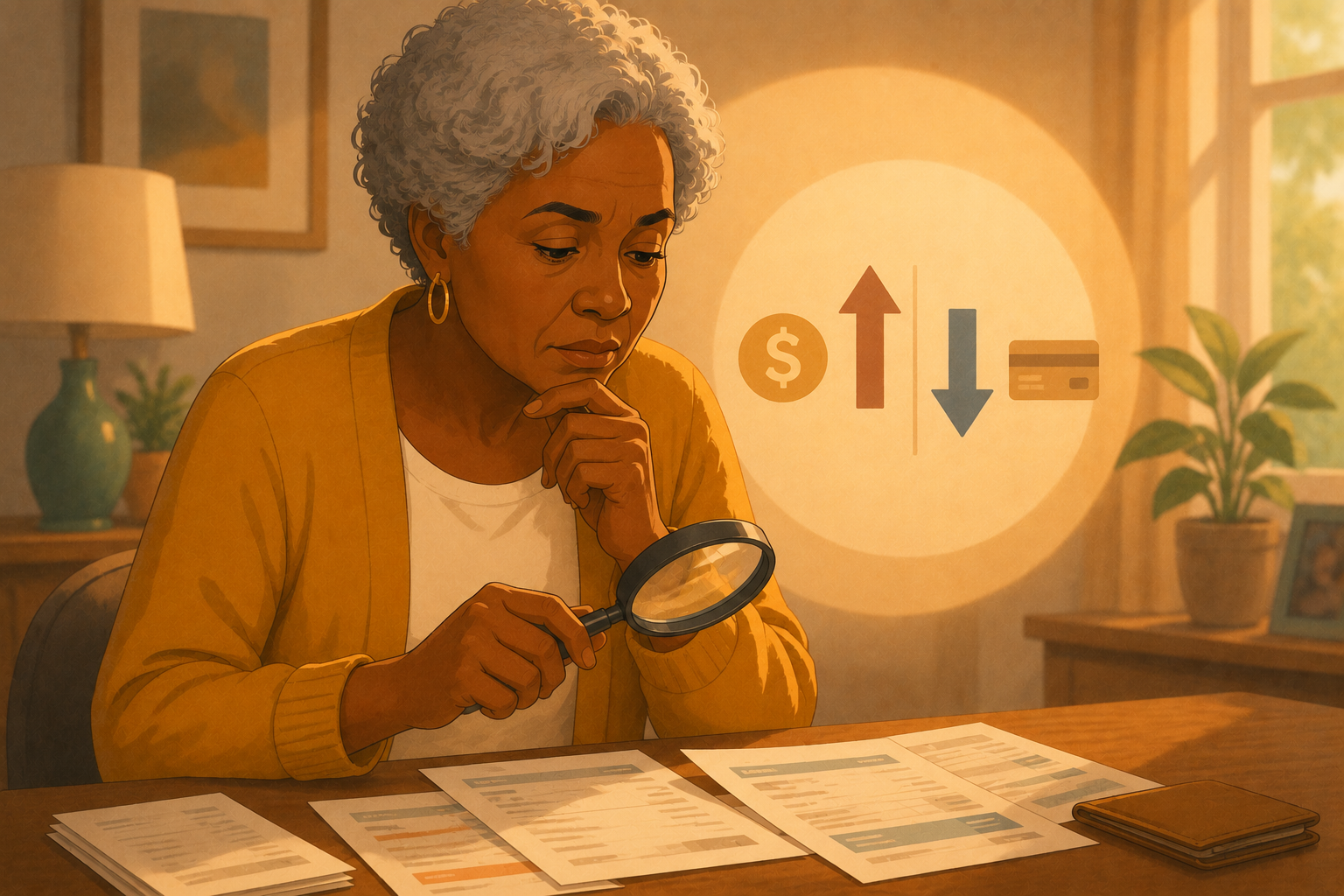
052 - Watch for Unusual Financial Changes
Financial exploitation, fraud, and identity theft often reveal themselves through small changes before they become major problems. Unexpected withdrawals, unfamiliar charges, missing funds, or sudden changes in spending patterns can all be warning signs that deserve attention. This article encourages readers to pay attention to unusual financial activity and explains why early detection is so important. Whether you're monitoring your own accounts or helping a loved one, recognizing changes quickly can reduce losses, uncover problems sooner, and provide valuable peace of mind. Sometimes the first clue that something is wrong is hidden in the details.

051 - Never Feel Rushed To Sign Documents
Signing a document is often treated as a routine task, but the consequences can last for years. Whether it's a contract, agreement, loan, or digital form, it's important to understand what you're agreeing to before putting your name on it. This article encourages readers to slow down, ask questions, and resist pressure from anyone demanding an immediate signature. Taking a little extra time to review a document can help you avoid misunderstandings, protect your rights, and make more informed decisions. When it comes to important paperwork, confidence comes from understanding—not rushing.

050 - It Is Never “Too Late” To Ask for Help
Many people assume they will recognize a scam immediately, but fraud often succeeds because it looks ordinary at first. Scammers exploit trust, emotions, and everyday situations to catch people off guard. This article reminds readers that becoming a victim is not a sign of weakness or lack of intelligence. Understanding how scams work, talking openly about them, and seeking help when something feels wrong can dramatically reduce risk. The more informed and connected we are, the harder it becomes for criminals to succeed. Awareness is one of the most powerful tools we have to protect ourselves and our communities.

049 - Isolation Increases Vulnerability
Strong communities help keep people safe. When individuals become isolated from family, friends, neighbors, or trusted support networks, they are often more vulnerable to scams, fraud, manipulation, and misinformation. This article explores the connection between social isolation and digital risk, highlighting why staying connected matters for both emotional well-being and personal safety. Whether it's checking in on a loved one or building stronger community ties, simple human connections can provide an important layer of protection. Sometimes the best defense against exploitation isn't technology at all—it's having people you can trust and talk to.
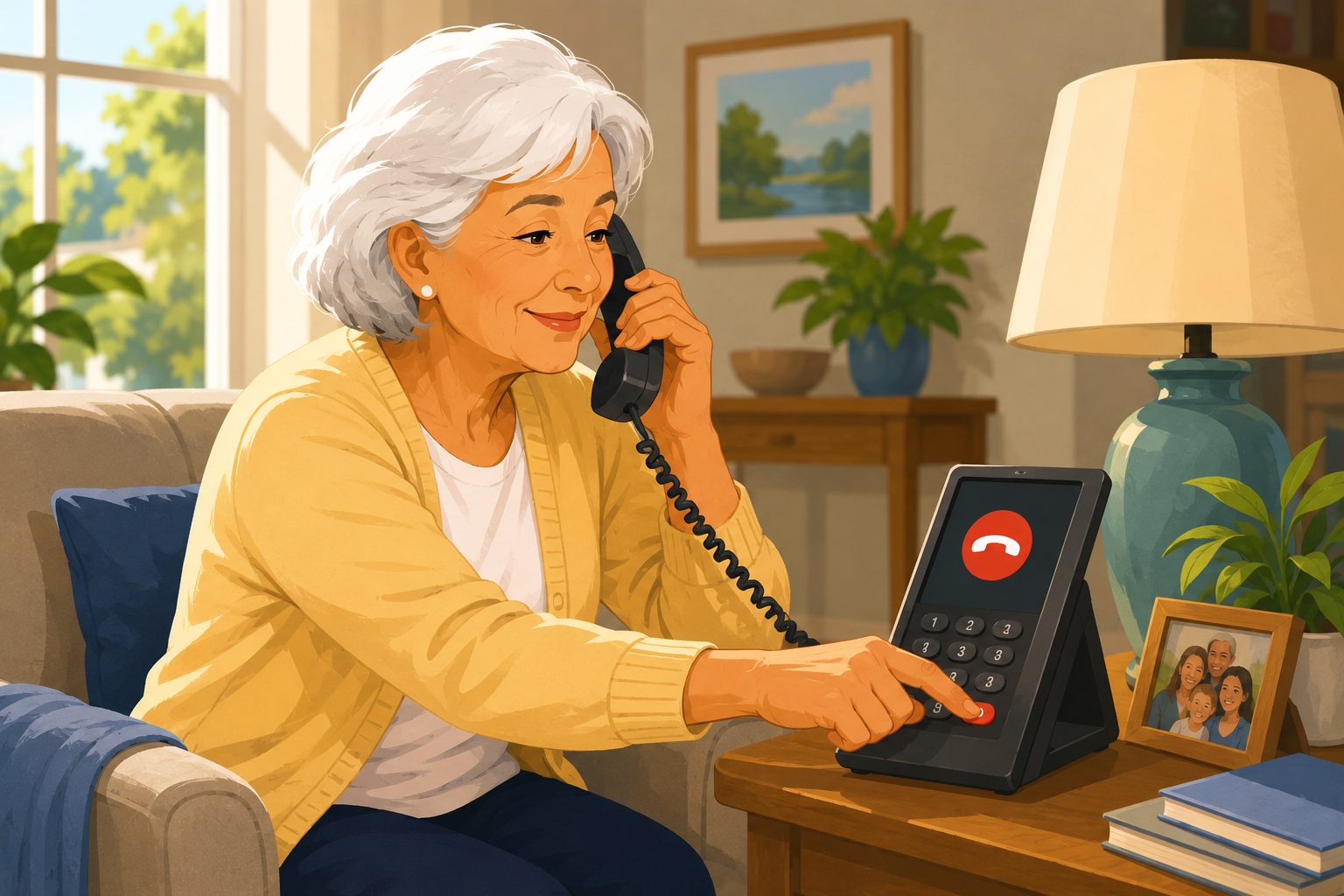
048 - Do Not Trust Caller ID Alone
Scammers often create a sense of panic by pretending to be a grandchild, child, sibling, or other loved one in trouble. These scams work because they target our instinct to help the people we care about. This article explains how family impersonation scams operate, why they can be so convincing, and what simple steps you can take to verify a situation before sending money or sharing information. A brief pause to confirm the facts can prevent emotional manipulation and financial loss. Protecting yourself starts with understanding how these scams exploit trust and urgency.

047 - Review Bank and Credit Card Statements Regularly
Your bank and credit card statements tell an important story about your financial health—and sometimes they reveal problems before anyone else notices them. Small unauthorized charges, unexpected subscriptions, or signs of fraud are often easiest to catch when reviewed regularly. This article explains why a few minutes spent checking your accounts can help protect your finances and provide peace of mind. Developing this simple habit can help you spot suspicious activity early, resolve issues more quickly, and maintain greater control over your money in an increasingly digital world.

046 - Watch for Romance Scams
Romance scams don't rely on technology as much as they rely on human emotions. Scammers invest time building trust, creating emotional connections, and making victims feel understood before asking for money, gifts, or personal information. This article explains why these scams can affect people of any age or background and highlights warning signs that are often missed. Understanding how romance scammers operate can help you protect yourself and the people you care about. Healthy relationships are built on trust and transparency—not secrecy, pressure, or urgent requests for financial help.

045 - Protect Medicare and Insurance Information
Medicare and insurance information can be incredibly valuable to criminals, making it a frequent target for fraud, identity theft, and scams. Many people don't realize how much damage can be done when this information falls into the wrong hands. This article explains why protecting insurance-related information matters, highlights common tactics used by scammers, and offers practical reasons to be cautious when sharing personal details. A little awareness can help prevent financial headaches, protect access to important benefits, and reduce the risk of becoming a victim of healthcare-related fraud.
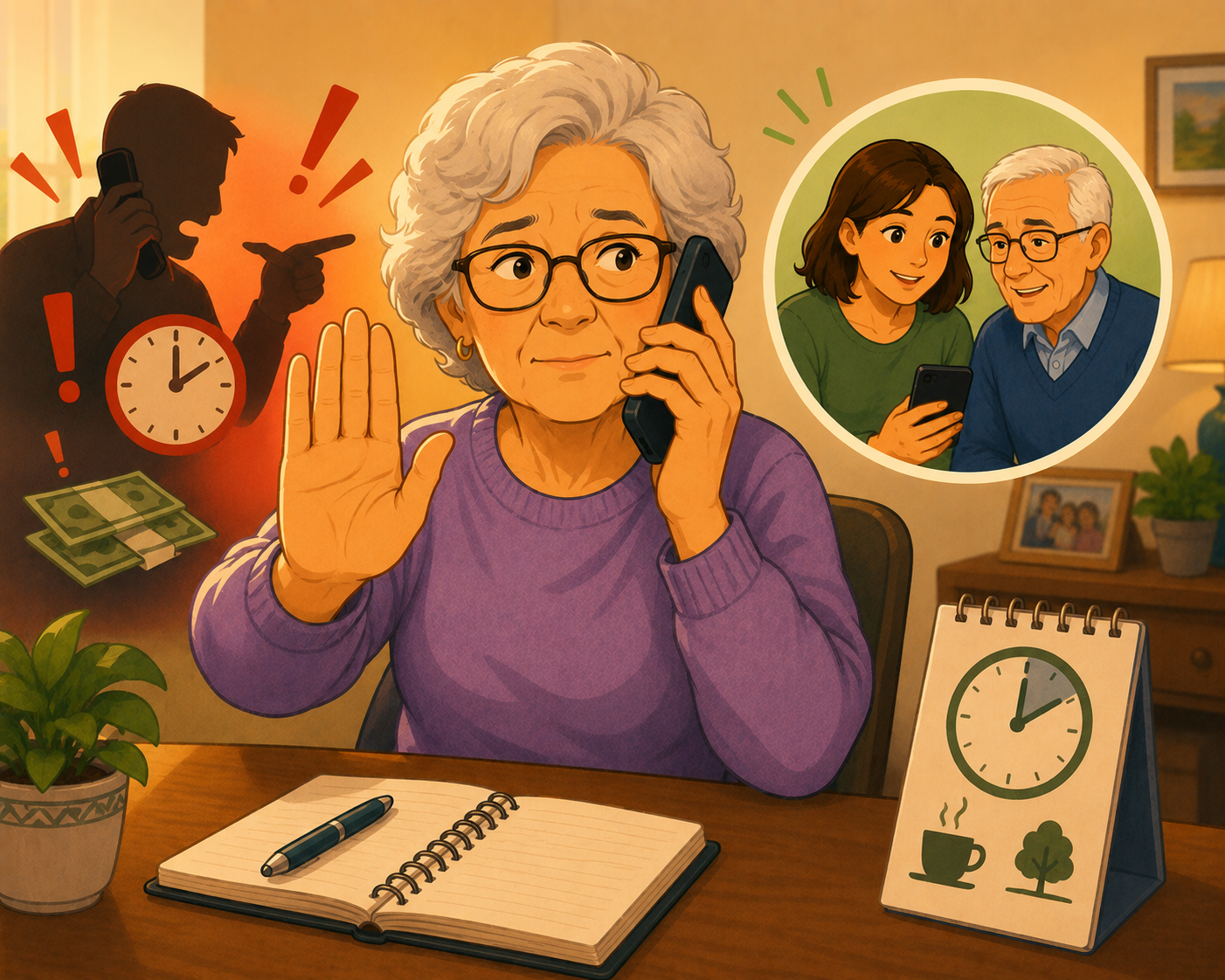
044 - Pressure and Urgency Are Warning Signs
When someone demands an immediate decision, it's often a sign that something isn't right. Scammers, manipulators, and fraudsters rely on pressure because they don't want people to have time to think, verify, or ask questions. This article explains why urgency is such a common tactic and how recognizing it can help you avoid costly mistakes. Learning to pause, slow down, and evaluate a situation before acting is one of the most effective ways to protect yourself online and offline. Confidence grows when you understand that legitimate requests can usually wait.
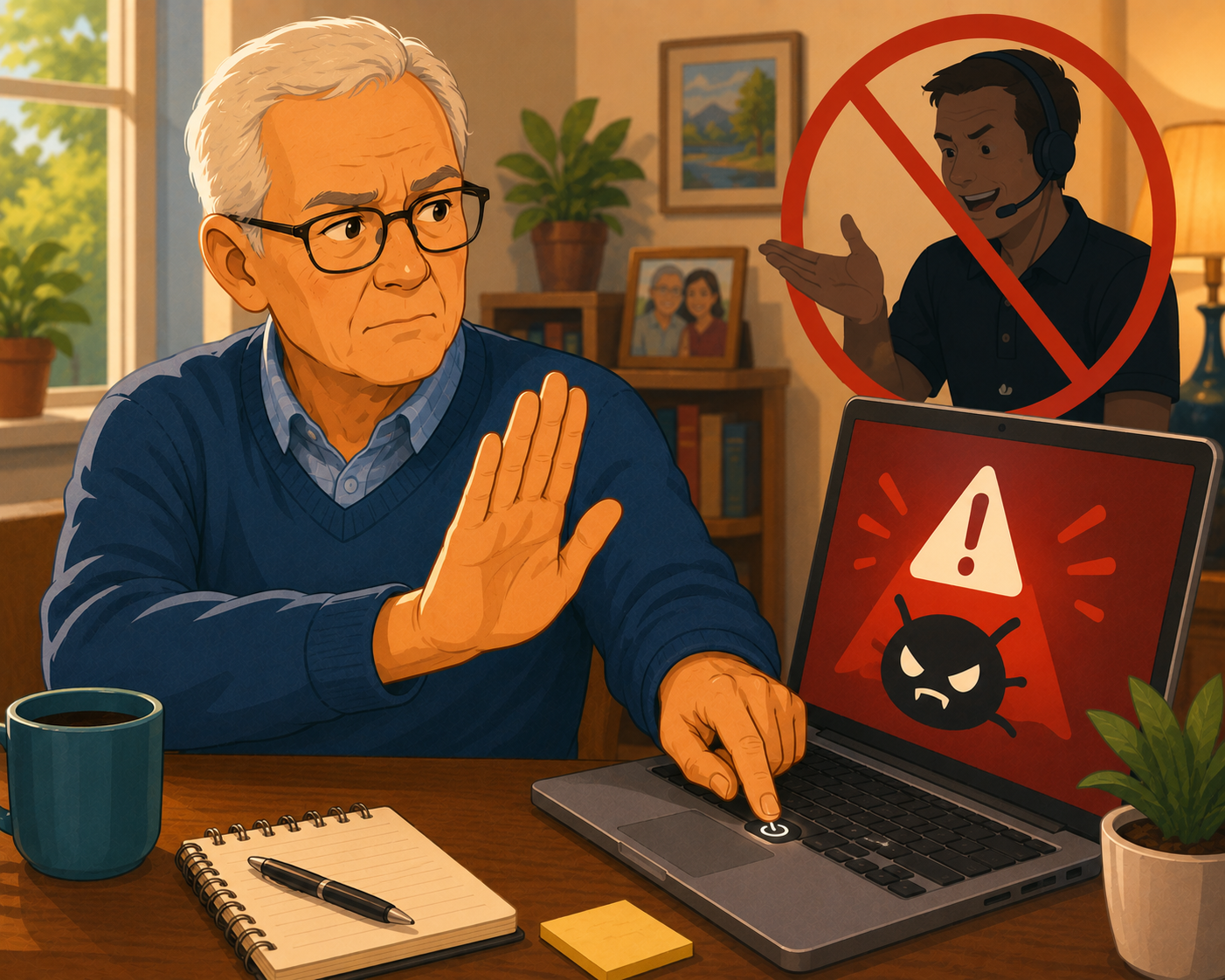
043 - Be Careful With Remote Computer Access
Giving someone remote access to your computer can be incredibly helpful when you're receiving technical support—but it can also be risky when the person on the other end isn't who they claim to be. Scammers frequently use remote access tools to steal information, install malware, or take control of devices. This article explains why caution matters, how to recognize warning signs, and what questions to ask before granting access. Understanding the difference between legitimate support and a scam can help protect your privacy, finances, and personal information from people who seek to exploit trust.
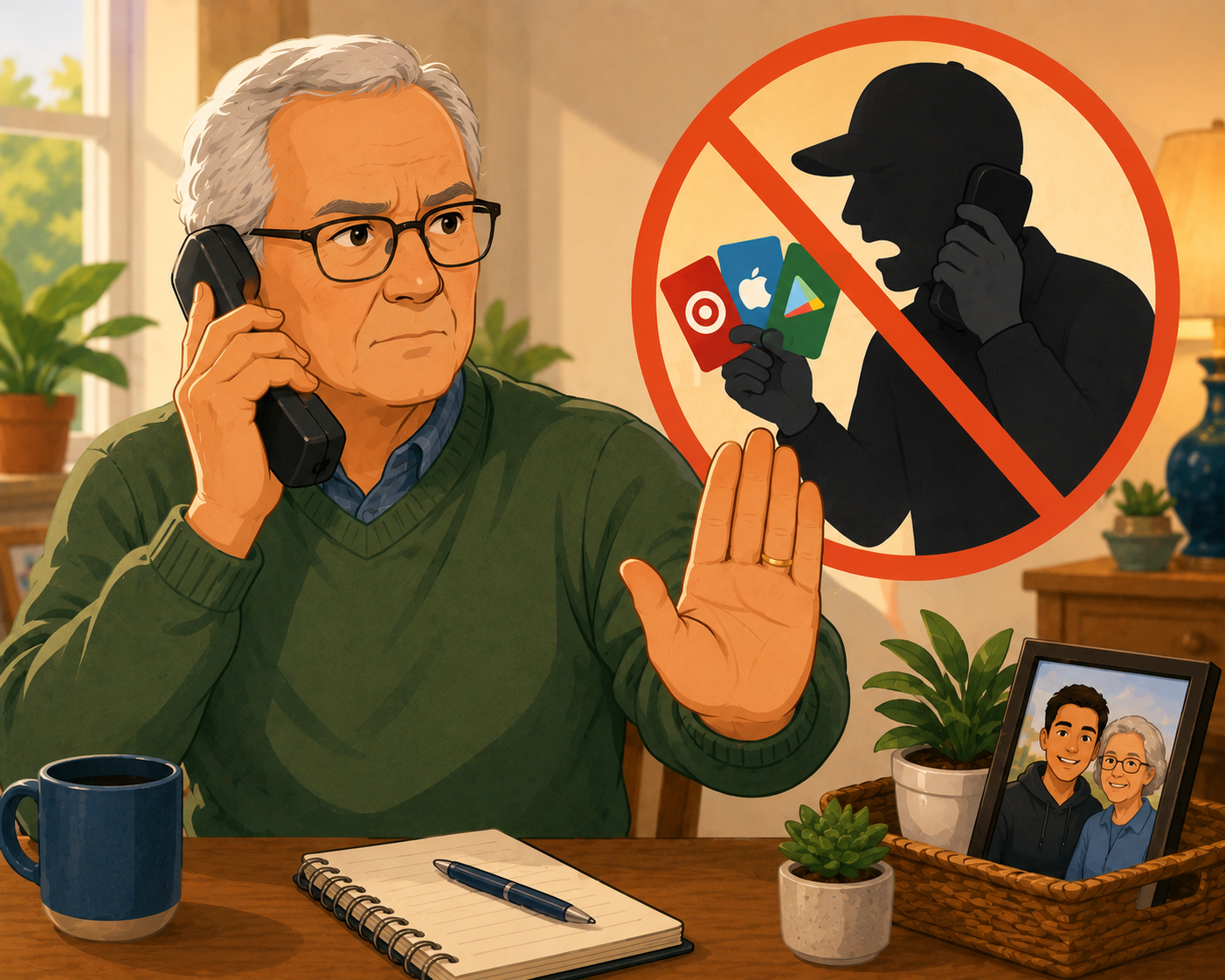
042 - No Legitimate Company Demands Gift Cards
Scammers know that family is built on trust, love, and a desire to help. That's why many fraud schemes involve someone pretending to be a child, grandchild, sibling, or other loved one in urgent need of assistance. This article explains how these impersonation scams work, why they are so convincing, and what simple steps can help you verify a situation before acting. Taking a moment to confirm a story can protect your finances and prevent emotional manipulation. The more familiar you are with these tactics, the harder it becomes for scammers to exploit your compassion.
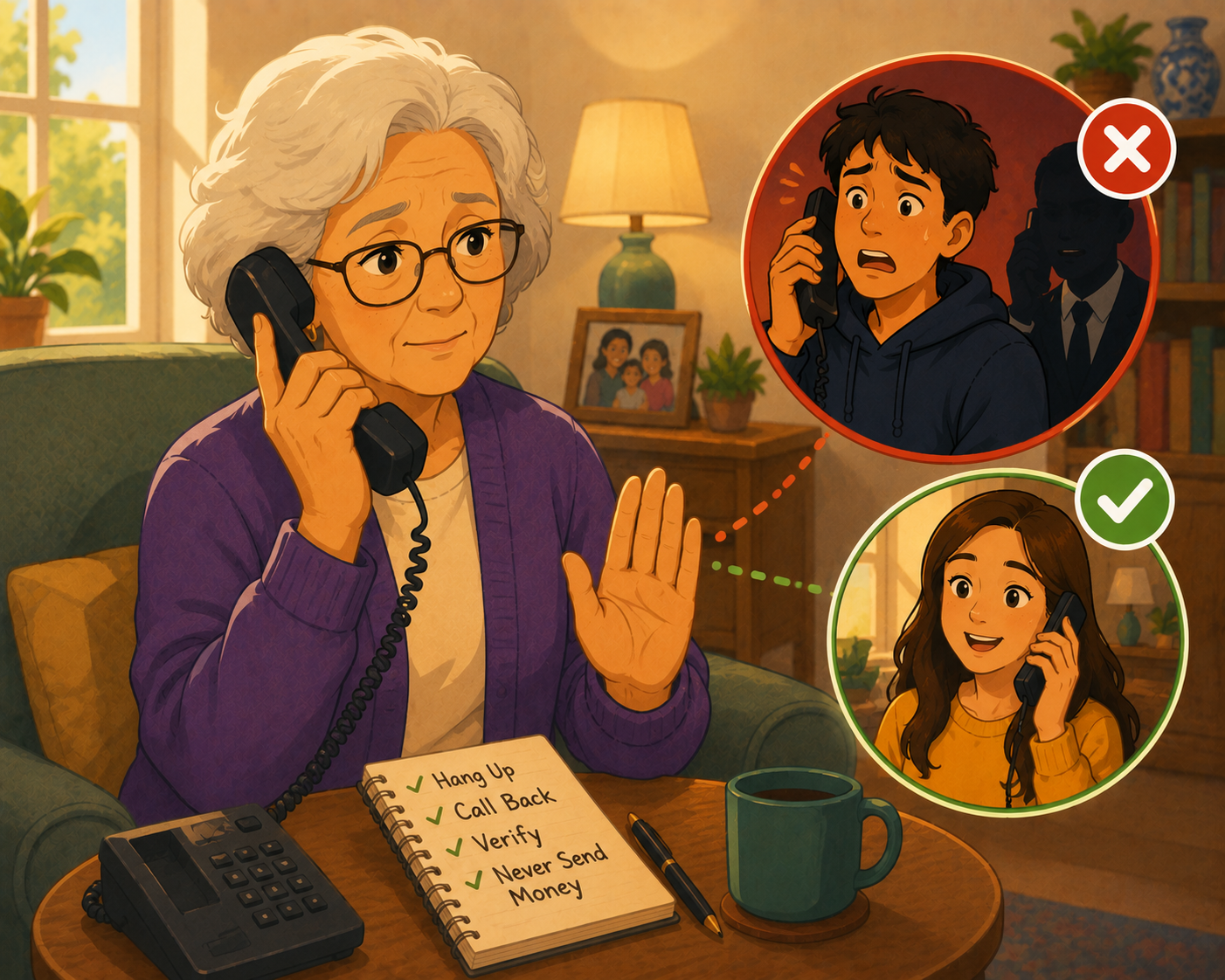
041 - Scammers Often Pretend To Be Family
Images and videos have always been powerful, but it’s becoming increasingly difficult to tell what’s real and what’s been altered. Modern tools can create convincing fake photos, videos, and audio recordings that can mislead, manipulate, or spread misinformation. This article helps readers understand why skepticism is becoming an essential digital skill and why verifying information matters more than ever. Learning how deepfakes and edited media work can help you make better decisions, avoid being deceived, and navigate online content with greater confidence in an age where seeing is no longer always believing.