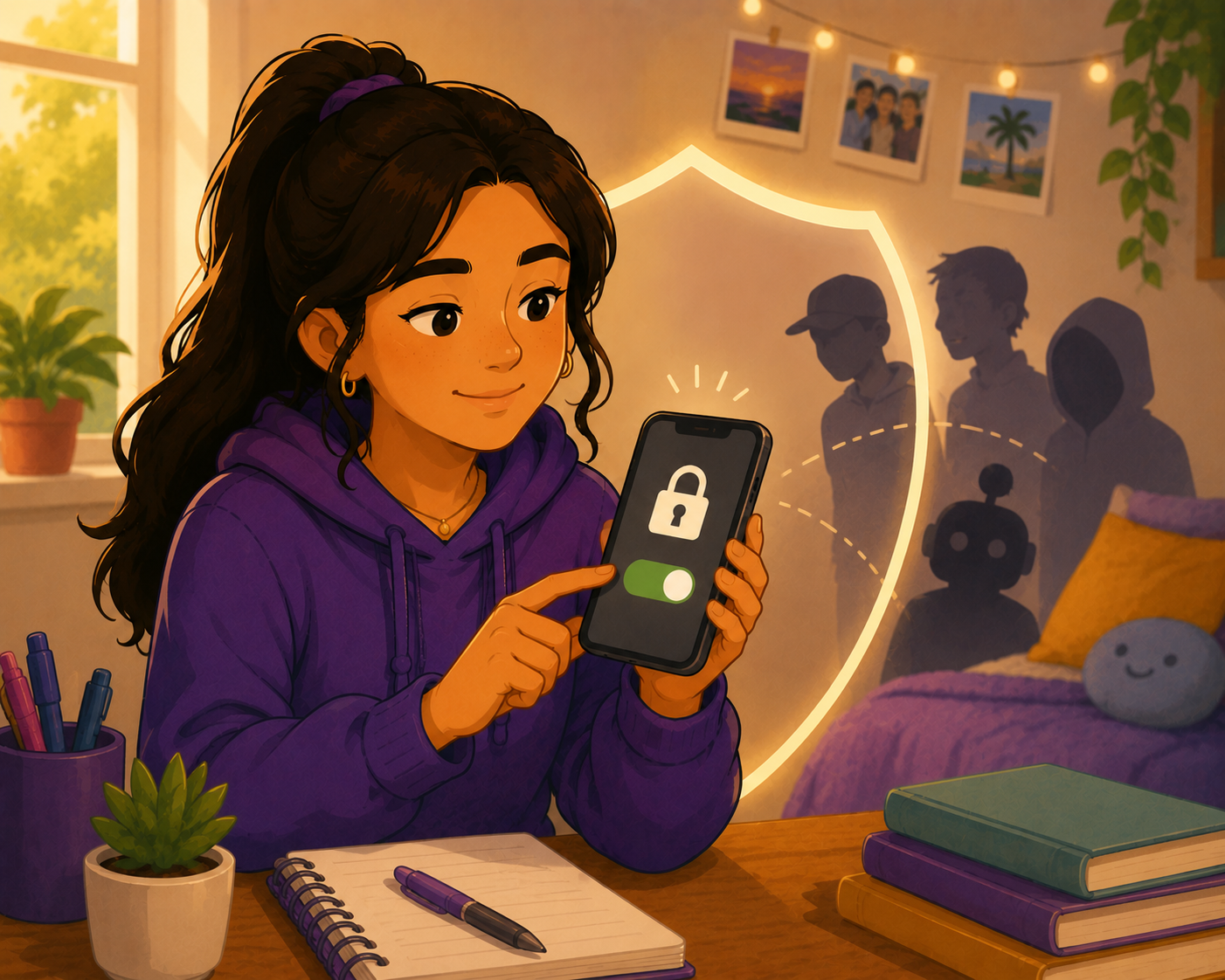
040 - You Control Who Has Access To You
In a world filled with constant notifications, messages, friend requests, and online demands for attention, it’s important to remember that you have choices. You decide who can contact you, what conversations you participate in, and which boundaries you set online. This article encourages readers to take control of their digital lives by recognizing that blocking, muting, unfollowing, and saying “no” are healthy options. Protecting your time, attention, privacy, and well-being is not rude—it’s an important part of staying safe and maintaining healthy relationships in the digital world.
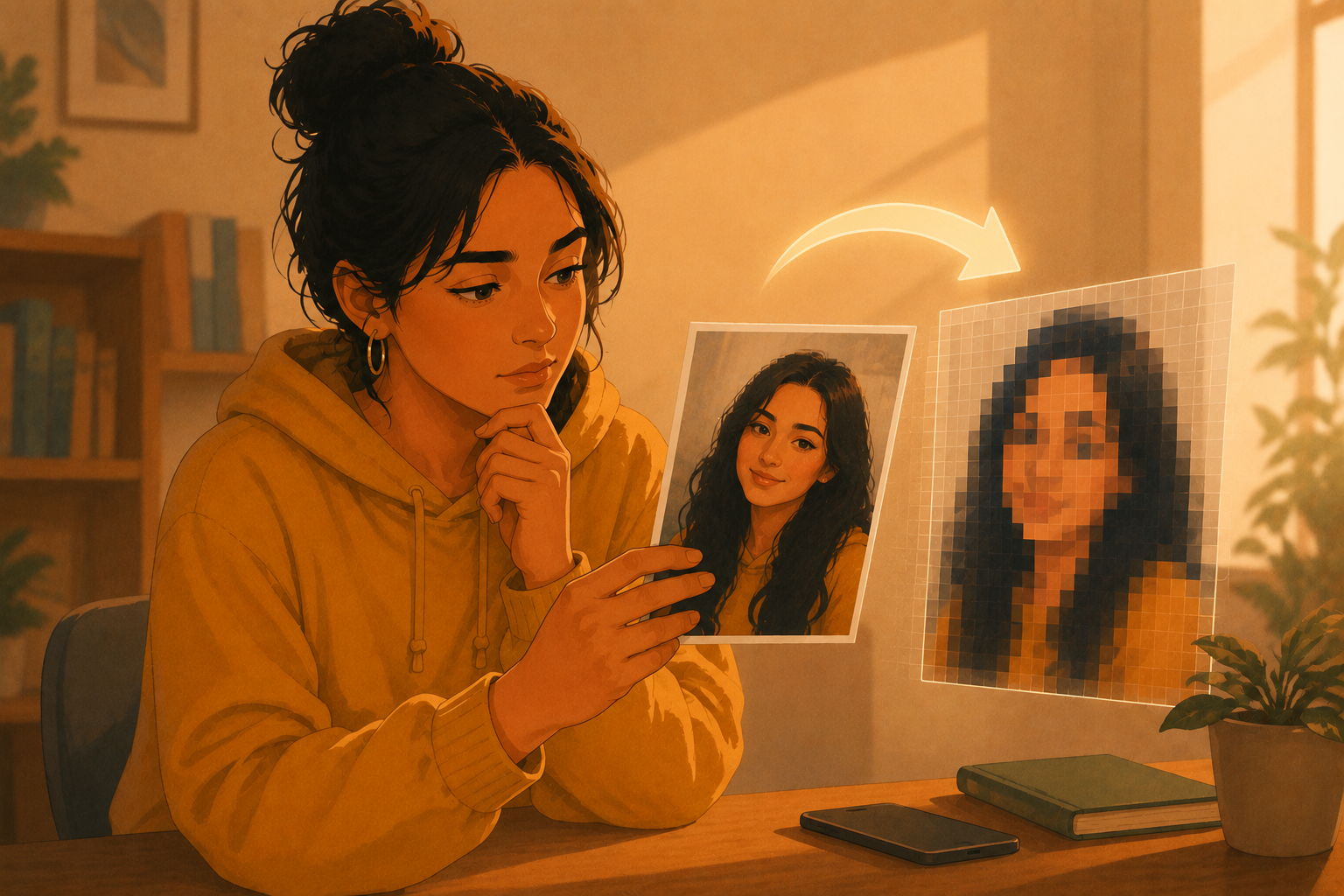
039 - Deepfakes and Edited Images Are Increasing
Social media makes it easy to share our lives, opinions, and experiences, but not everything benefits from being posted online. Some information is personal, some is temporary, and some can create unexpected consequences long after it’s shared. This article encourages readers to think before they post and consider how their words, photos, and updates might be viewed by others. Practicing a little restraint online can help protect your privacy, reputation, relationships, and future opportunities. Sometimes the wisest digital choice is deciding that a moment is better lived than published.
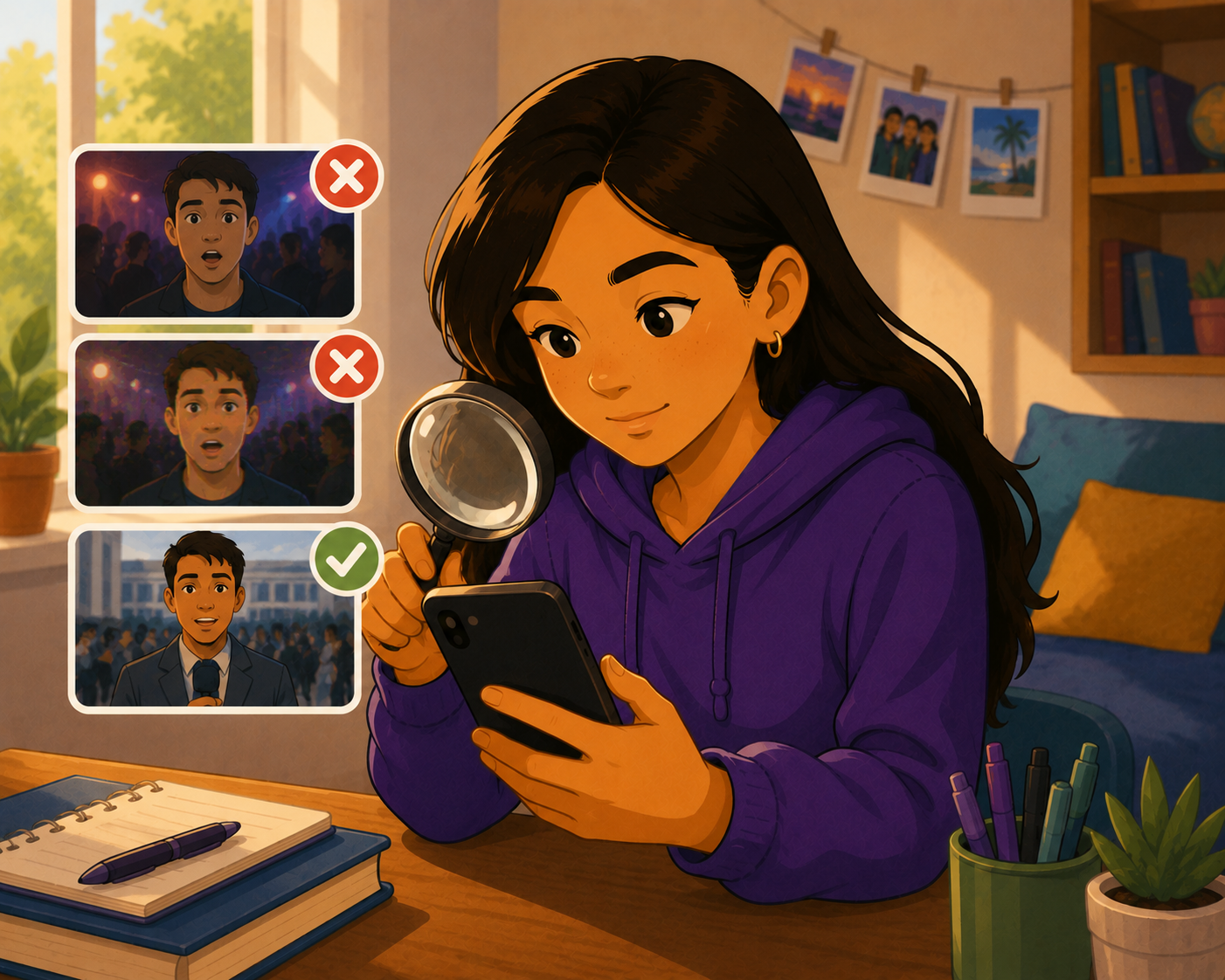
038 - Group Chats Can Turn Toxic Fast
Sharing online has become second nature for many of us, but not every moment, opinion, or personal detail needs an audience. What seems harmless today can sometimes create privacy, safety, or reputation concerns later. This article encourages readers to be more intentional about what they share and to consider the long-term impact of their digital footprint. Developing thoughtful posting habits doesn't mean staying silent—it means understanding that some parts of your life are worth protecting. A little discretion can help you maintain greater control over your privacy, relationships, and future opportunities.
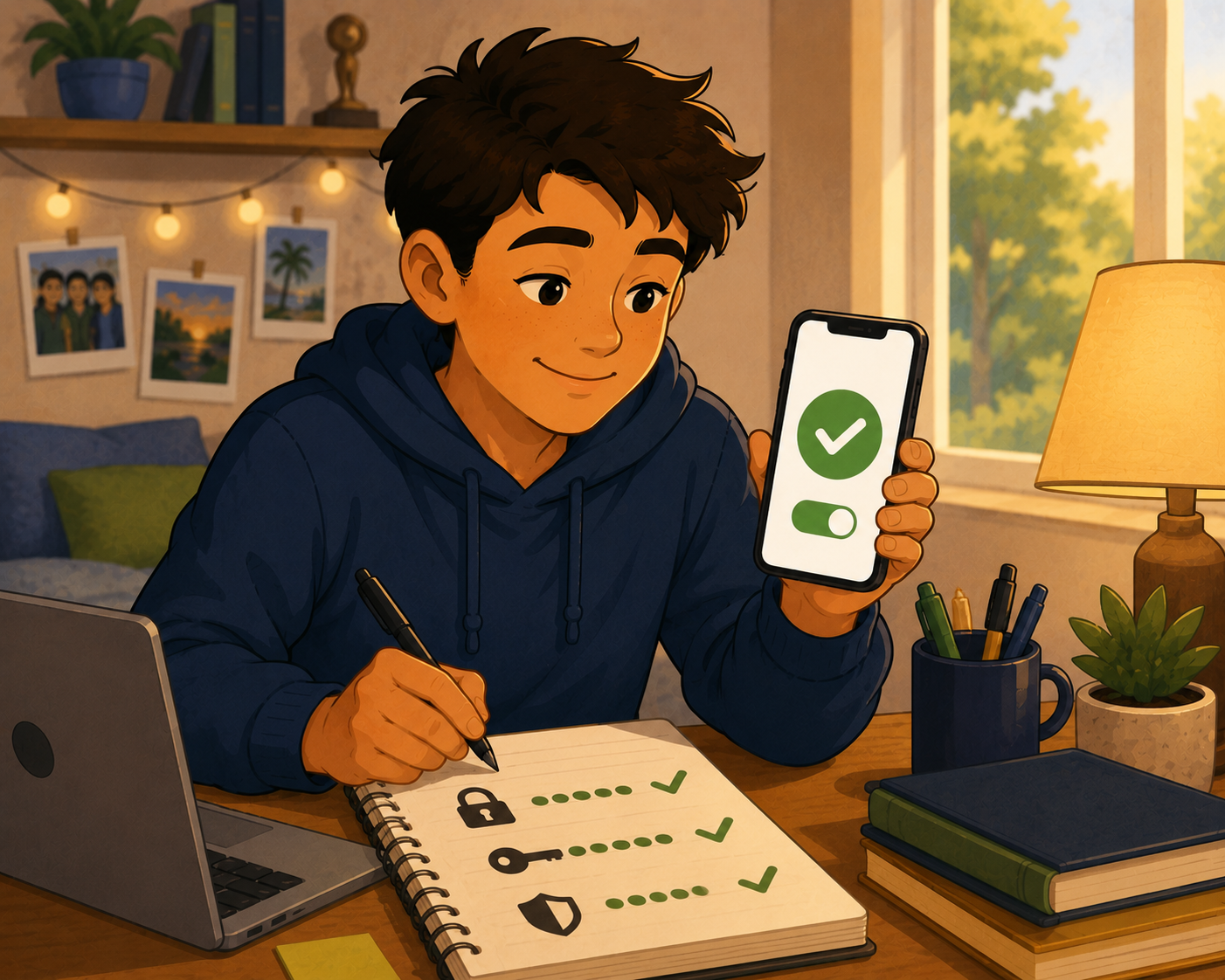
037 - Strong Passwords Protect Your Reputation
Your reputation can take years to build and only moments to damage. Many online accounts contain personal information, private conversations, financial details, or access to services that others could misuse if they fall into the wrong hands. This article explains why strong passwords are about more than security—they're also about protecting your identity, relationships, and good name. A few simple password habits can make it much harder for criminals to impersonate you, misuse your accounts, or create problems that affect your personal and professional life.
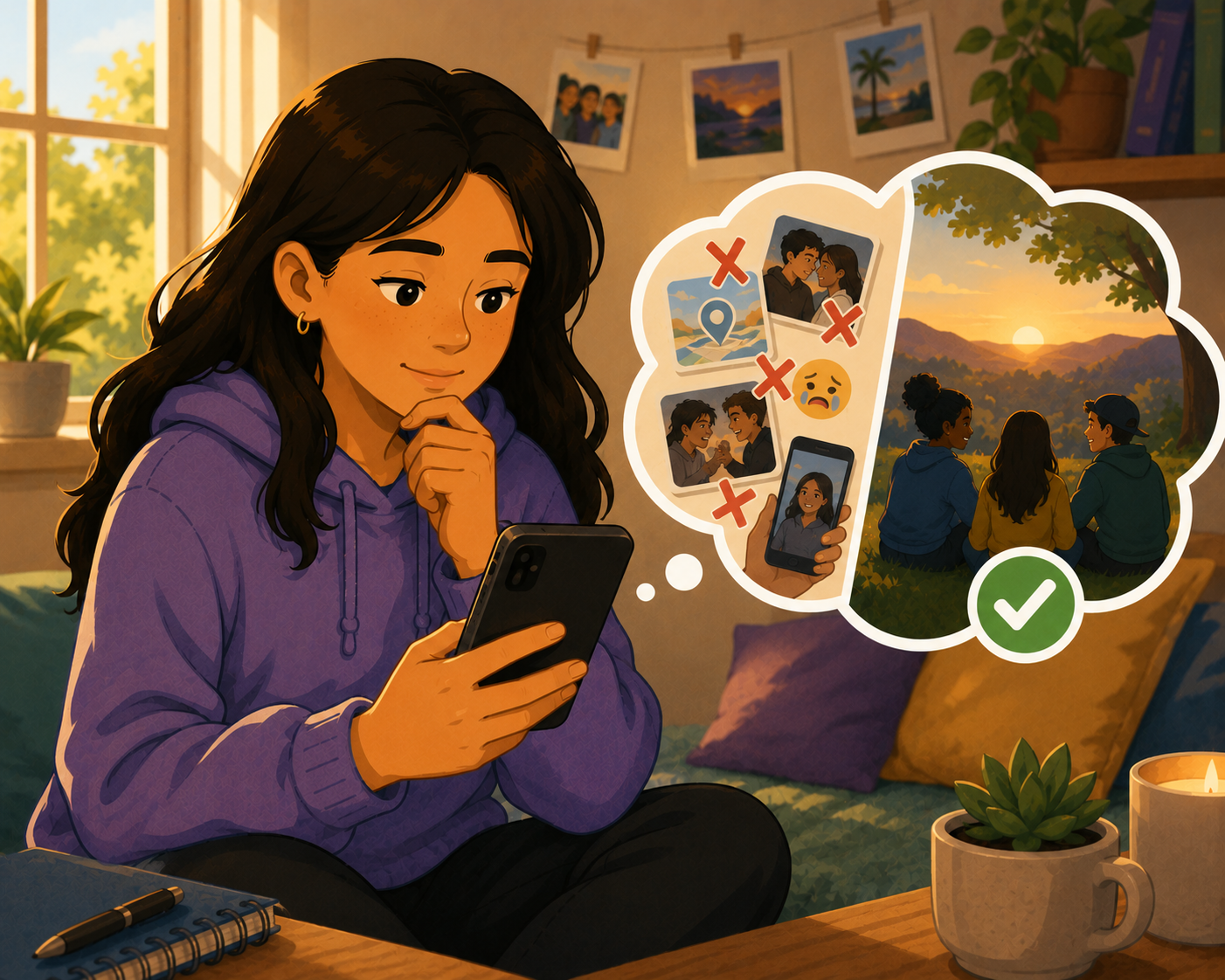
036 - Not Everything Needs To Be Posted
The internet encourages us to share our lives, but not every thought, photo, opinion, or personal detail needs a permanent online audience. Once something is posted, it can be copied, shared, archived, and viewed in ways you never intended. This article encourages readers to think more intentionally about what they share and why. Practicing a little restraint online can help protect your privacy, reputation, relationships, and future opportunities. Sometimes the smartest digital decision isn't what you post—it's what you choose to keep for yourself.
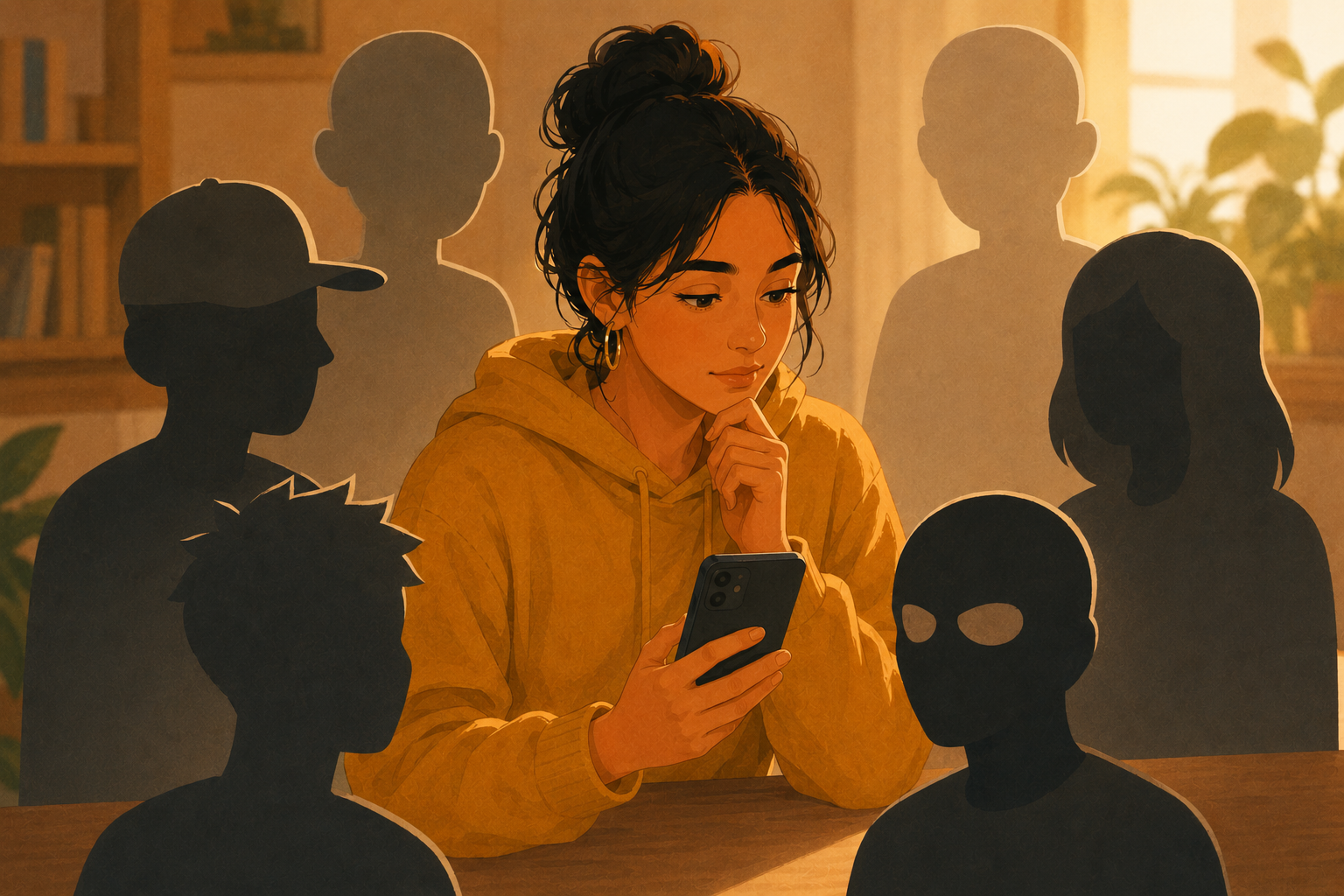
035 - Fake Accounts Are Everywhere
Not everyone online is who they appear to be. Fake accounts are used every day by scammers, spammers, impersonators, and people looking to manipulate others. While many are easy to spot, some can appear surprisingly convincing. This article explains why fake accounts are so common, what warning signs to watch for, and how a little skepticism can help protect your privacy and personal information. Learning to recognize inauthentic online identities is an important digital safety skill that can help you avoid scams, misinformation, and unwanted interactions across social media and online communities.
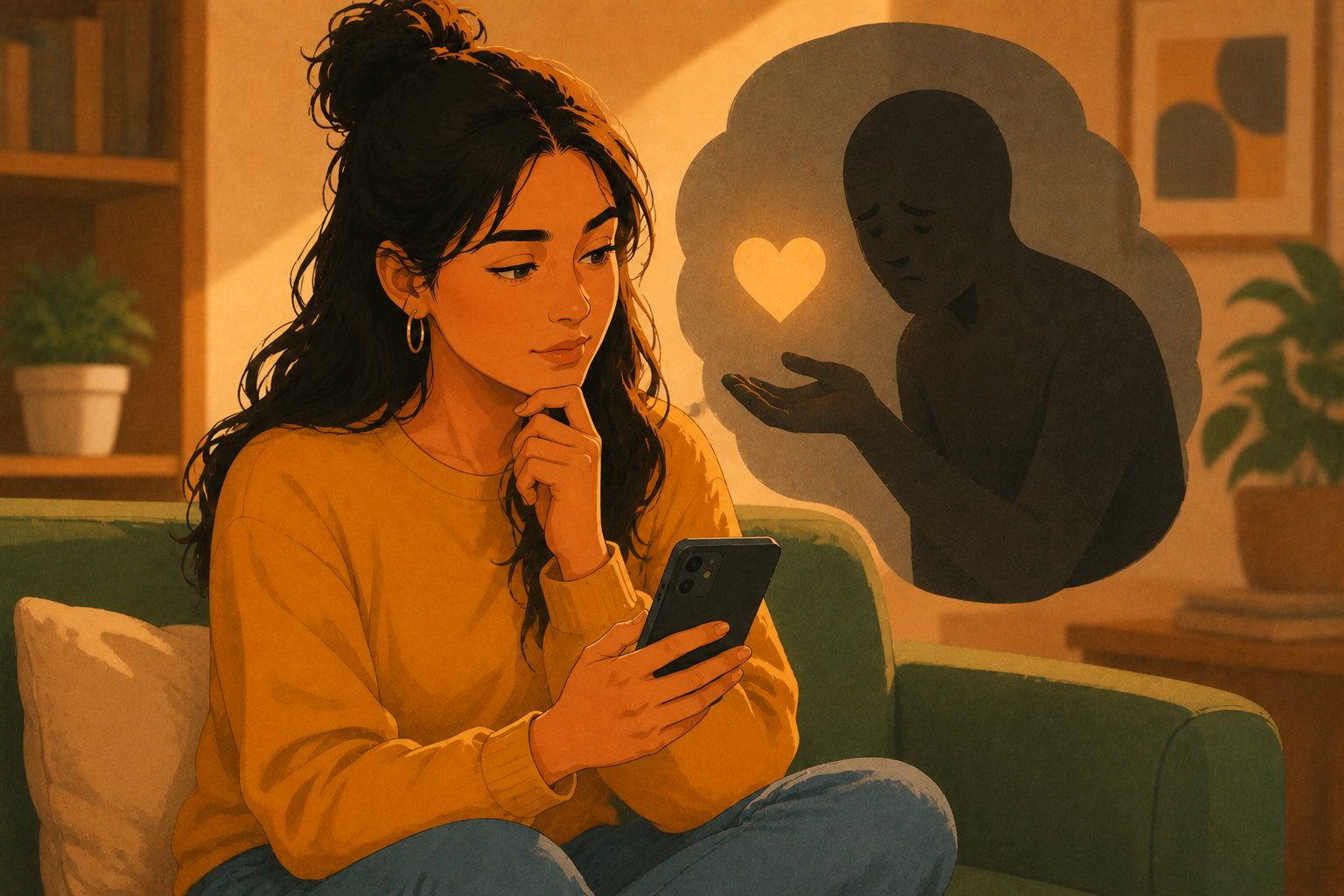
034 - Scammers Often Pretend To Need Help
Many scams don't begin with a threat or a prize—they begin with a request for help. Criminals often pose as stranded travelers, distressed relatives, charity workers, or people facing an urgent crisis because they know most people want to be kind. This article explains how scammers use empathy and generosity against their targets and why it’s important to verify stories before taking action. Being compassionate and being cautious are not opposites. Learning to balance both can help you support people in need while protecting yourself from manipulation, fraud, and emotional pressure.
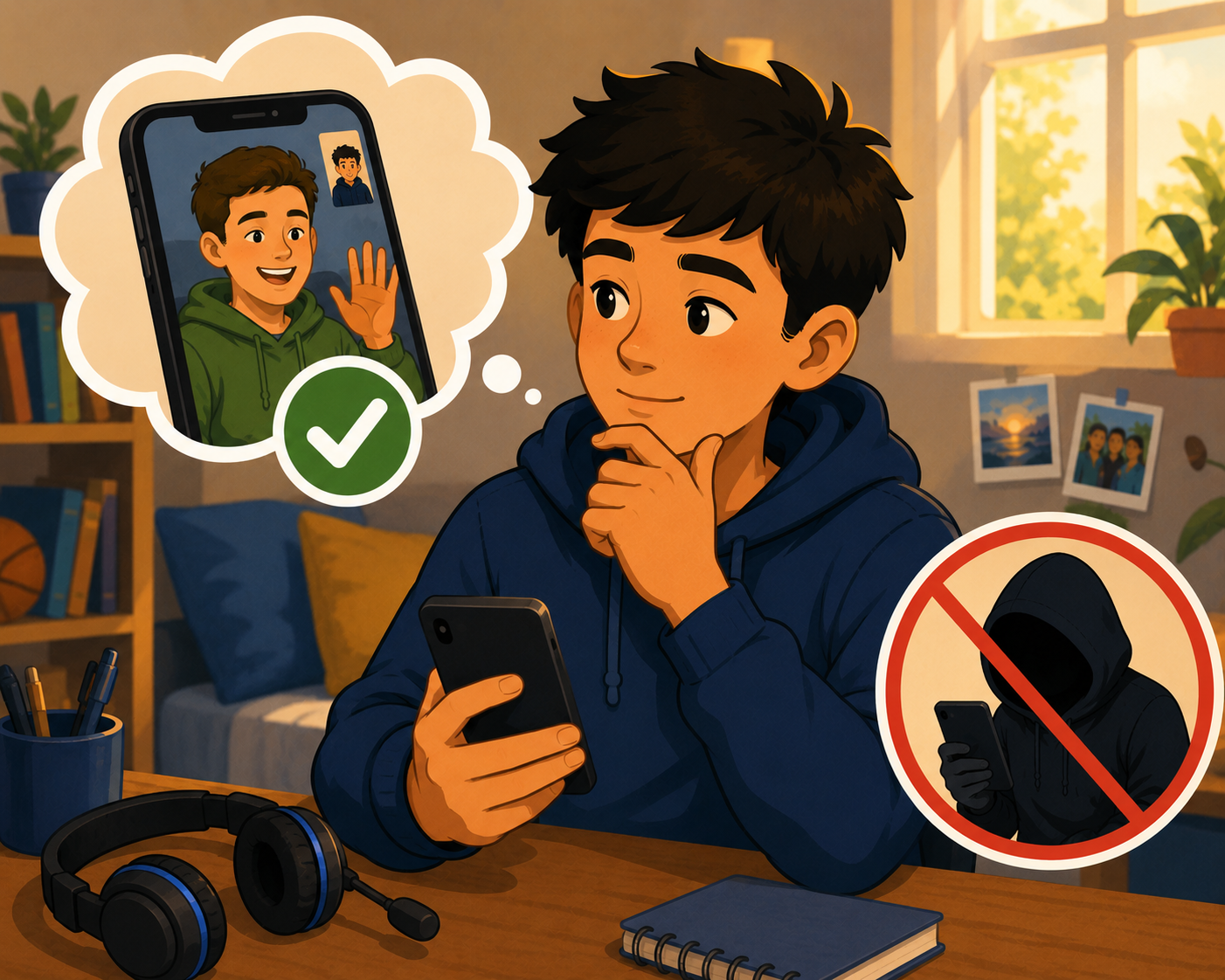
033 - Online Friends Should Stay Online Until Verified
Online friendships can be meaningful and rewarding, but trust should be earned, not assumed. Unfortunately, some people use fake identities to manipulate, scam, or exploit others. This article encourages readers to take their time, verify who they're talking to, and recognize warning signs before sharing personal information or meeting someone in person. A healthy dose of caution doesn't mean being unfriendly—it means protecting yourself while building relationships. Understanding how online deception works can help you make safer decisions and avoid situations that put your privacy, finances, or personal safety at risk.
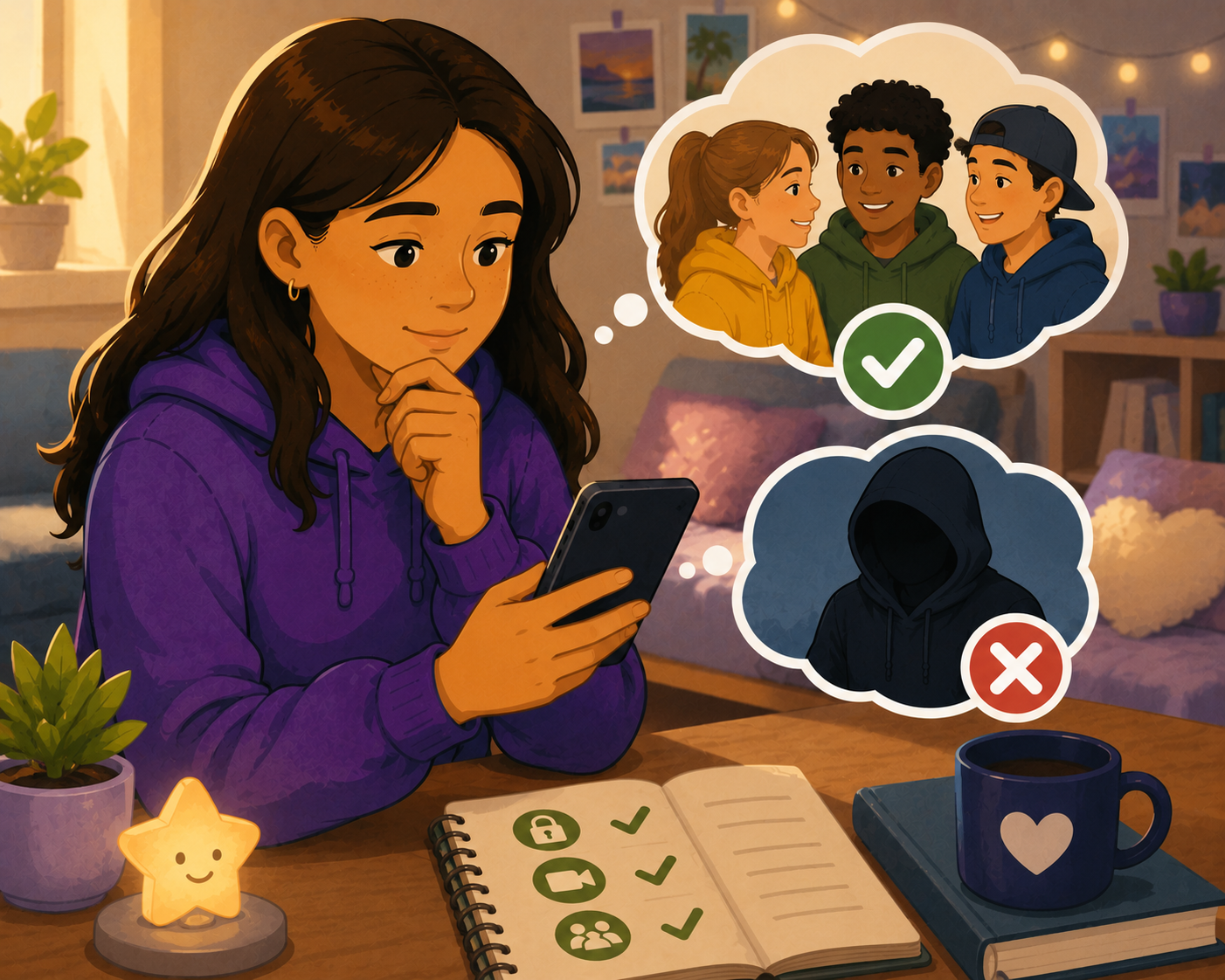
032 - Private Accounts Are Safer Accounts
Social media can be a wonderful way to stay connected, but not everything needs to be shared with the entire world. Privacy settings give you more control over who can see your posts, photos, and personal information. This article explains why private accounts can reduce certain risks and help you maintain greater control over your online presence. While no setting provides perfect protection, a few thoughtful adjustments can make it harder for strangers, scammers, and bad actors to access information you never intended to share publicly.
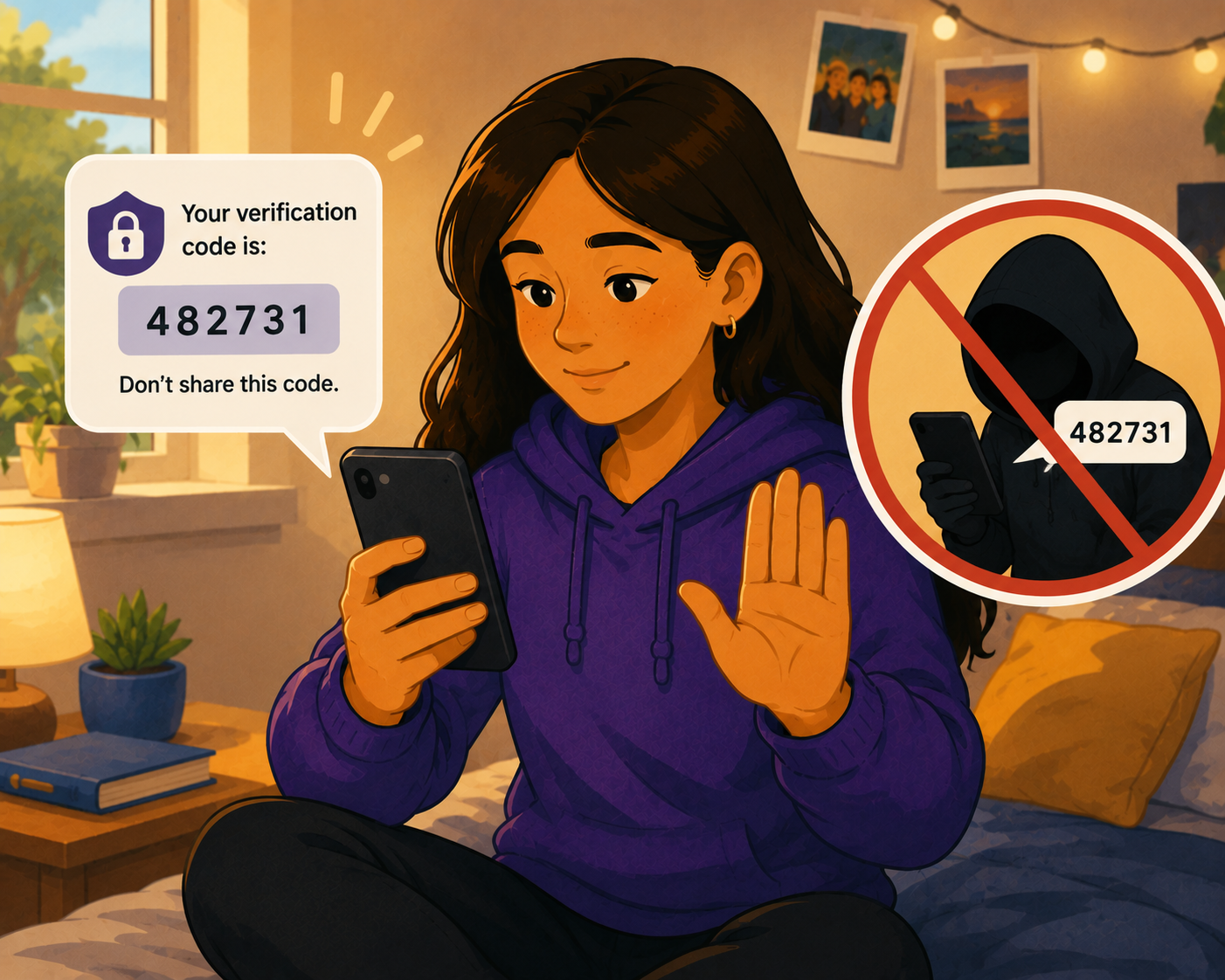
031 - Don’t Share Verification Codes
Sharing a verification code may seem harmless, especially if someone claims they need it to help you. In reality, those codes are often the last barrier protecting your accounts from unauthorized access. This article explains why verification codes are so important, how scammers trick people into revealing them, and why legitimate organizations rarely ask for them. Understanding this simple rule can help prevent account takeovers, identity theft, and financial fraud. When it comes to verification codes, treating them like a secret key can protect far more than you might realize.
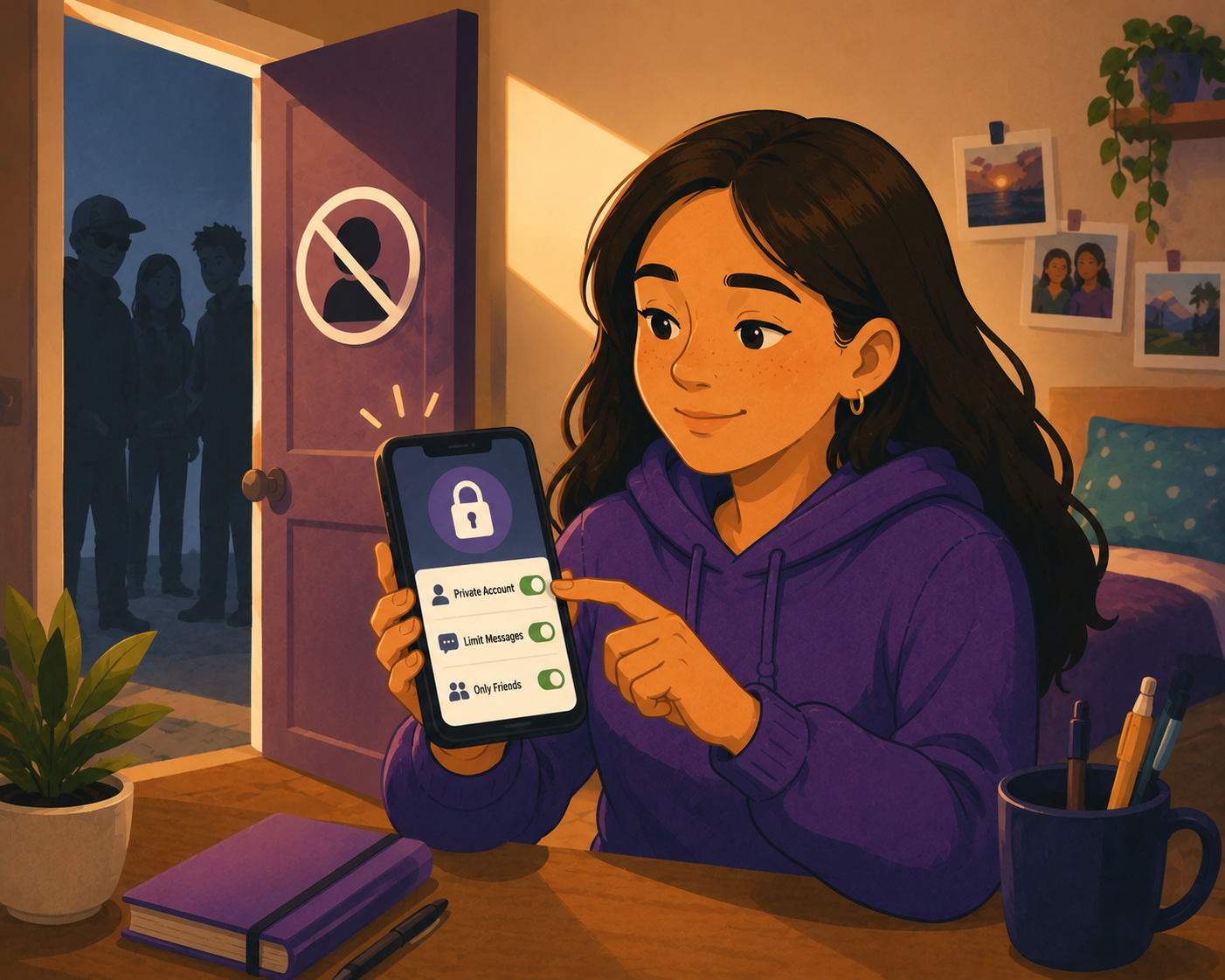
030 - Being Cruel Online Has Real Consequences
It’s easy to forget that there are real people behind the screens we interact with every day. Hurtful comments, harassment, threats, and public humiliation can have lasting emotional, social, and even professional consequences. This article encourages readers to think about the human impact of their online behavior and reminds us that kindness, empathy, and respect matter just as much online as they do in person. Building healthier online communities starts with recognizing that our words and actions affect real people, even when we can't see their reactions.
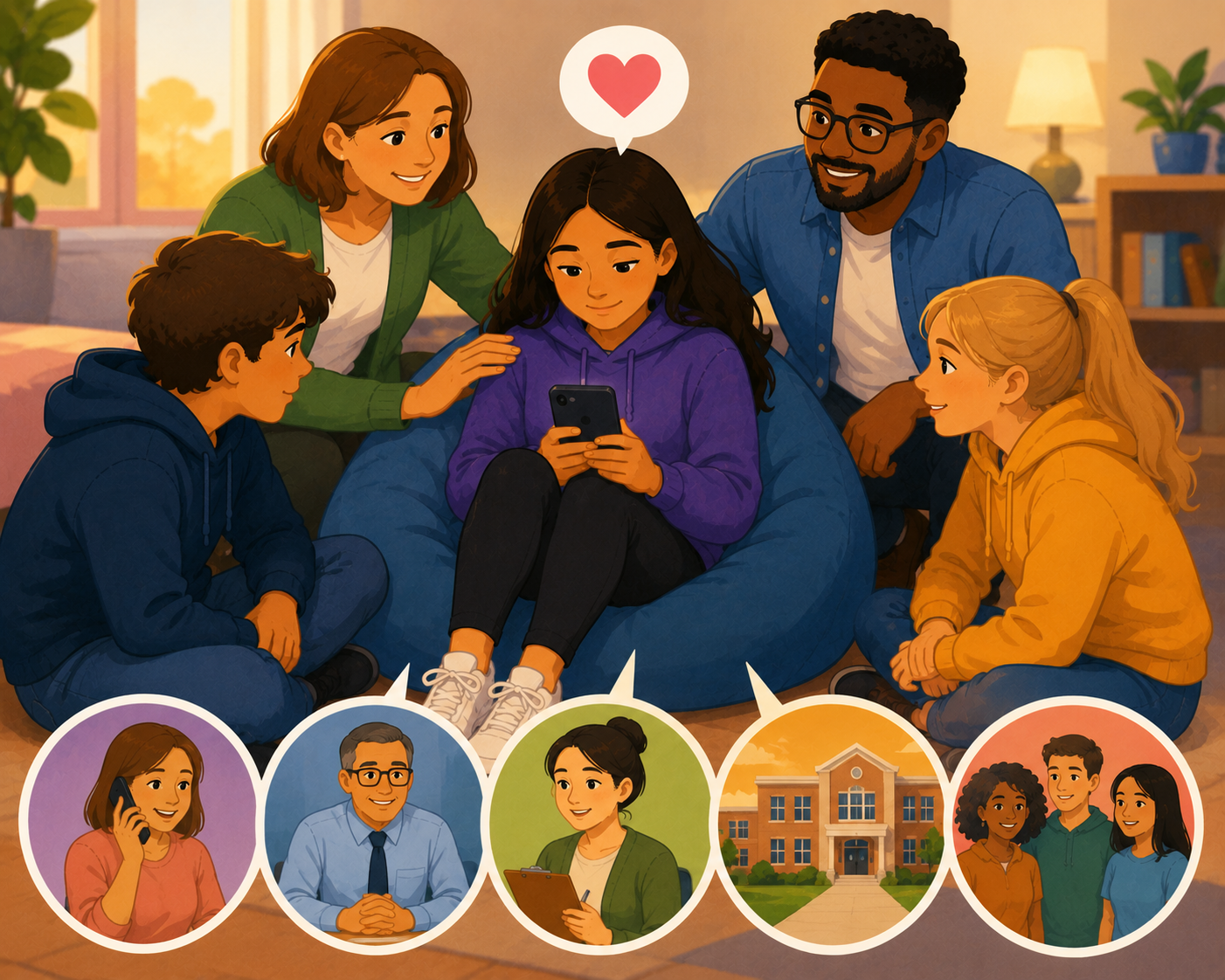
029 - It’s Okay To Ask for Help
Everyone runs into technology problems eventually, and no one knows everything. Yet many people hesitate to ask for help because they worry about feeling embarrassed, judged, or inexperienced. This article reminds readers that seeking assistance is a sign of wisdom, not weakness. Whether you're helping a family member, supporting a friend, or facing a challenge yourself, knowing when to reach out can prevent small issues from becoming bigger ones. Technology is easier to navigate when people learn together, share knowledge, and support one another—and nobody should feel they have to struggle alone.
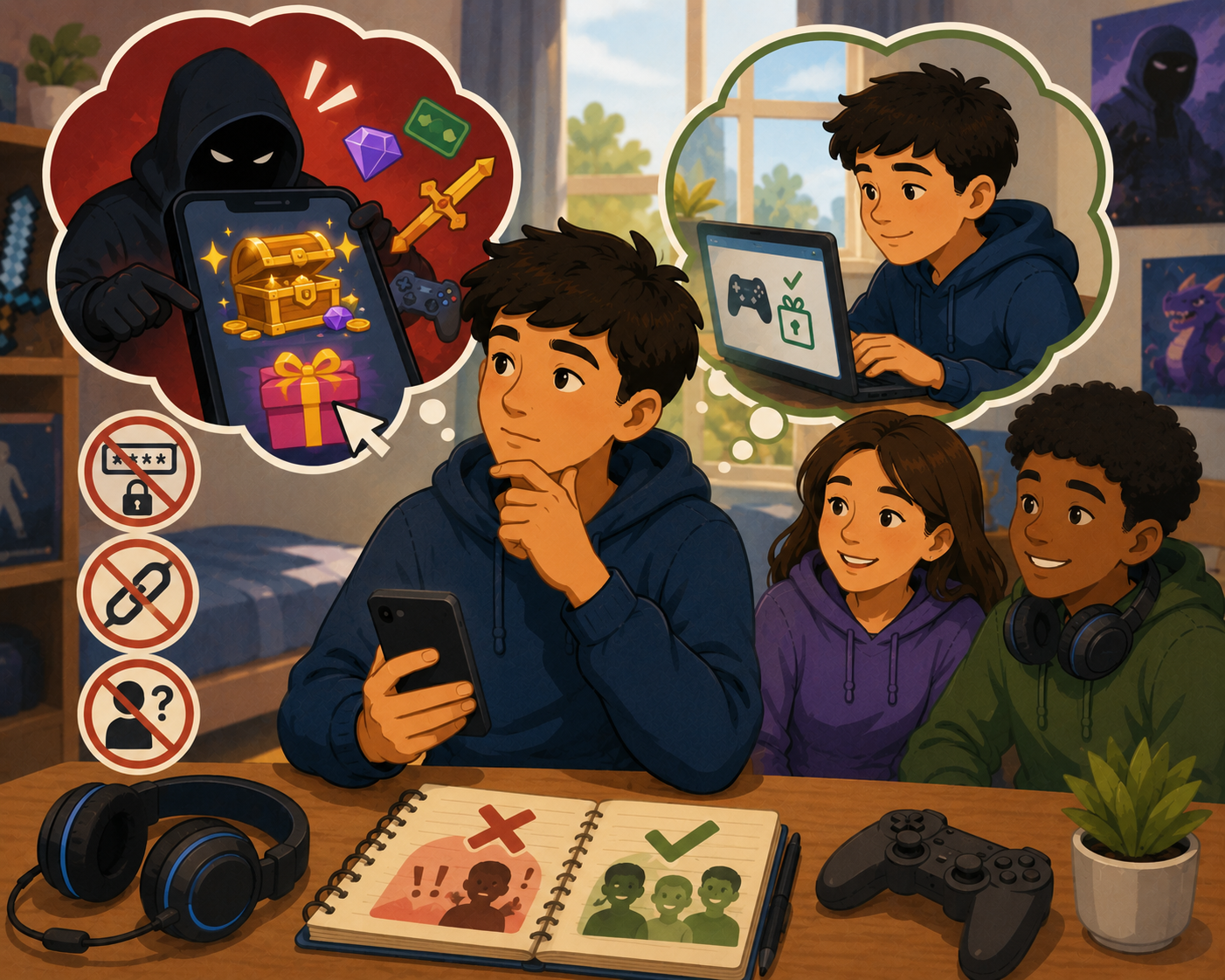
028 - Fake Giveaways and “Free Stuff” Are Common Scams
Everyone loves a good deal, and scammers know it. Fake giveaways, prize notifications, and offers for free products are designed to attract attention, create excitement, and lower people's guard. This article explains why these scams are so common, the warning signs to watch for, and how to evaluate offers before sharing personal information or clicking a link. Learning a few simple habits can help you avoid disappointment, protect your privacy, and recognize when something that seems too good to be true probably is.
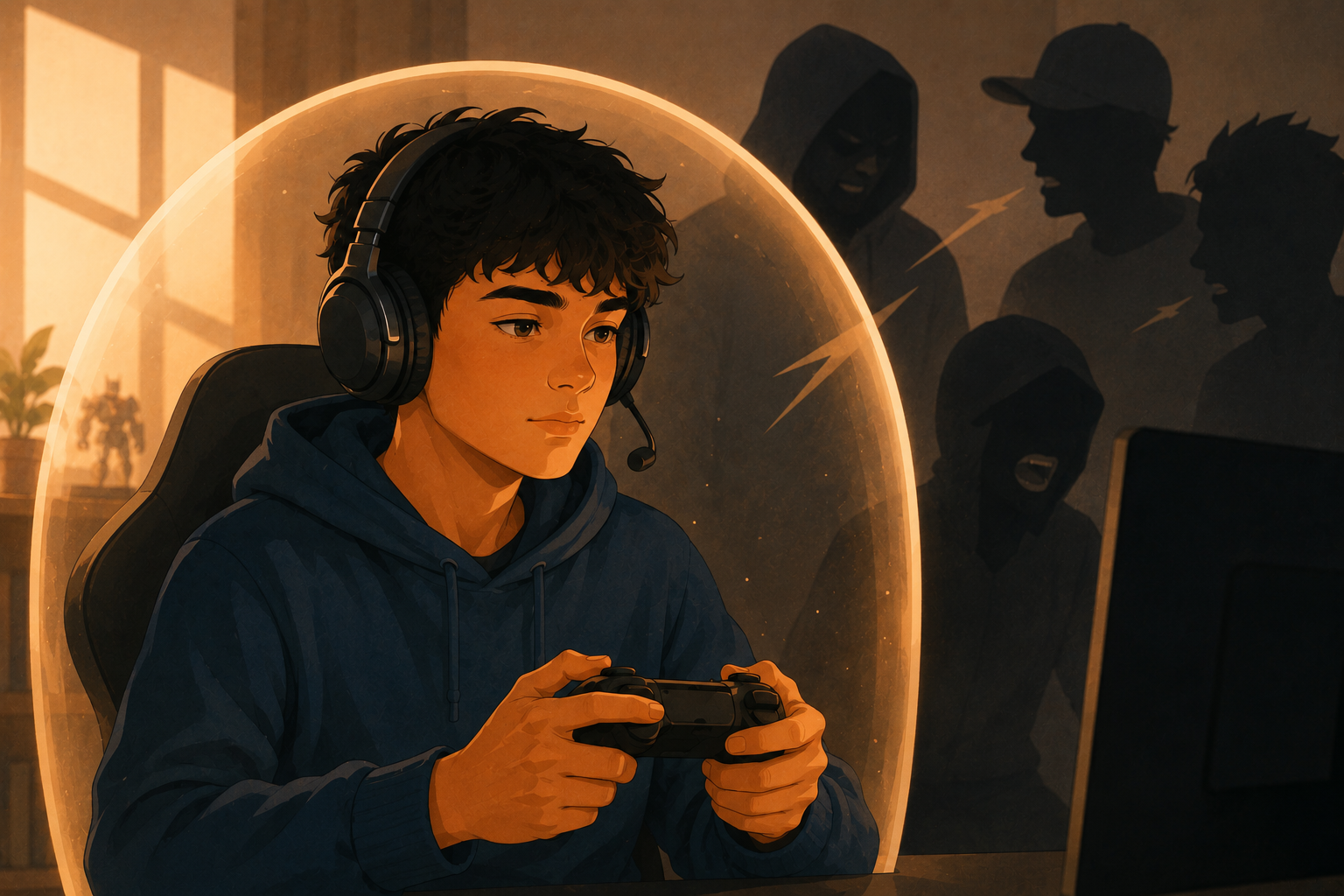
027 - Gaming Chats Can Be Risky
Online games can be a great way to make friends, build communities, and have fun, but not everyone in a gaming chat has good intentions. Scammers, predators, bullies, and impersonators often use gaming platforms to reach people who may not expect trouble. This article helps readers understand the risks that can exist in gaming communities and offers practical reasons to be thoughtful about what information they share. Whether you're a gamer or a parent, understanding these risks can help create safer and more positive online experiences.
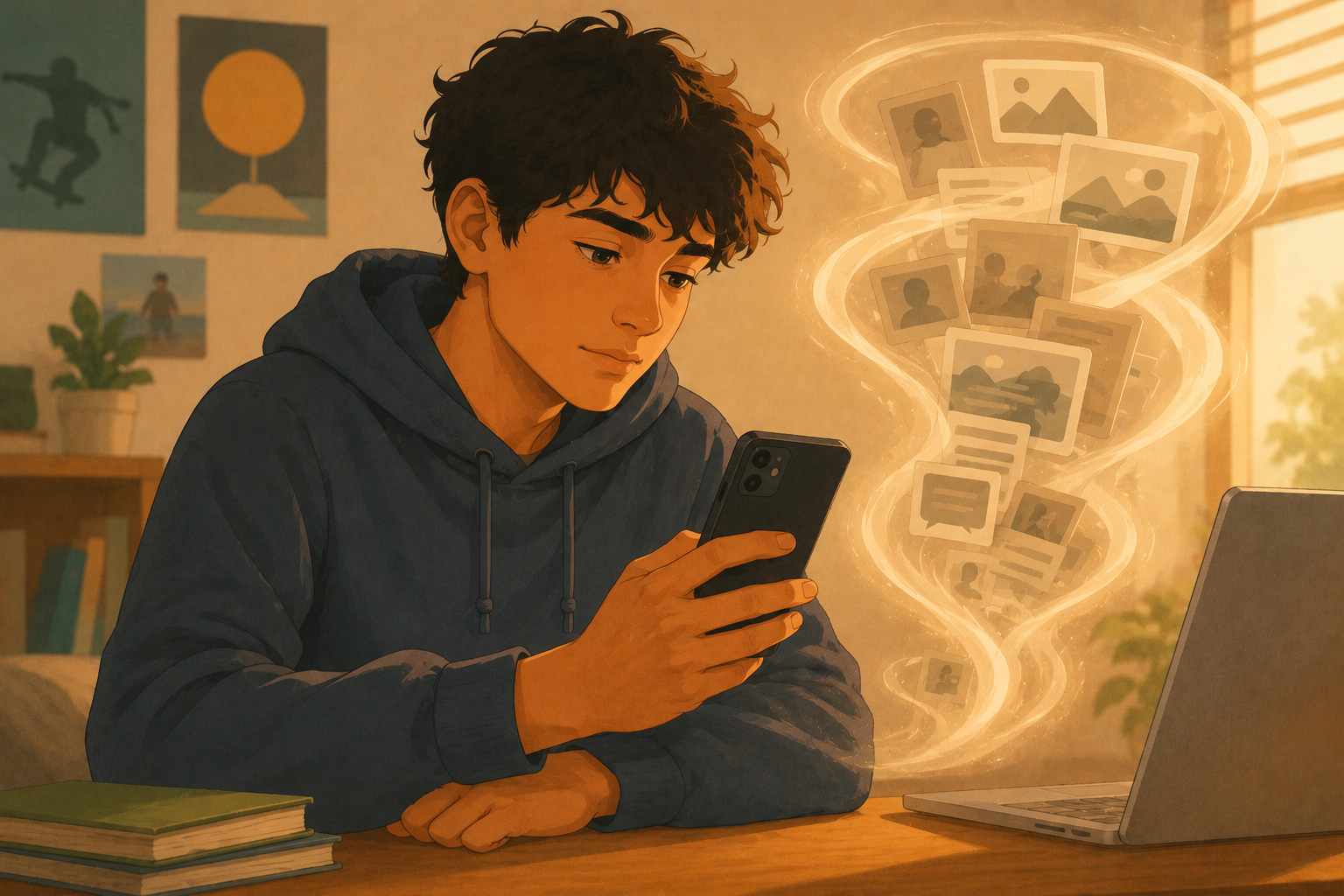
026 - Screenshots Last Forever
What feels temporary online often isn't. A screenshot, forwarded message, or saved image can persist long after the original post, chat, or account has disappeared. This article encourages readers to think carefully before sharing personal information, photos, or comments online and explains why digital actions can have lasting consequences. Understanding how easily content can be copied and shared helps people make more informed decisions about privacy, reputation, and personal safety. A moment of reflection before posting can help prevent regrets that last far longer than intended.

025 - Your Personal Information Has Value
Many online services seem free, but your personal information is often part of the price. Companies, advertisers, scammers, and data brokers all recognize the value of details about your identity, habits, and activities. This article helps readers understand why personal information matters, how it can be collected and used, and why protecting it is an important part of digital safety. Once you recognize the value of your data, it becomes easier to make informed choices about what you share, who you share it with, and how to better protect your privacy.
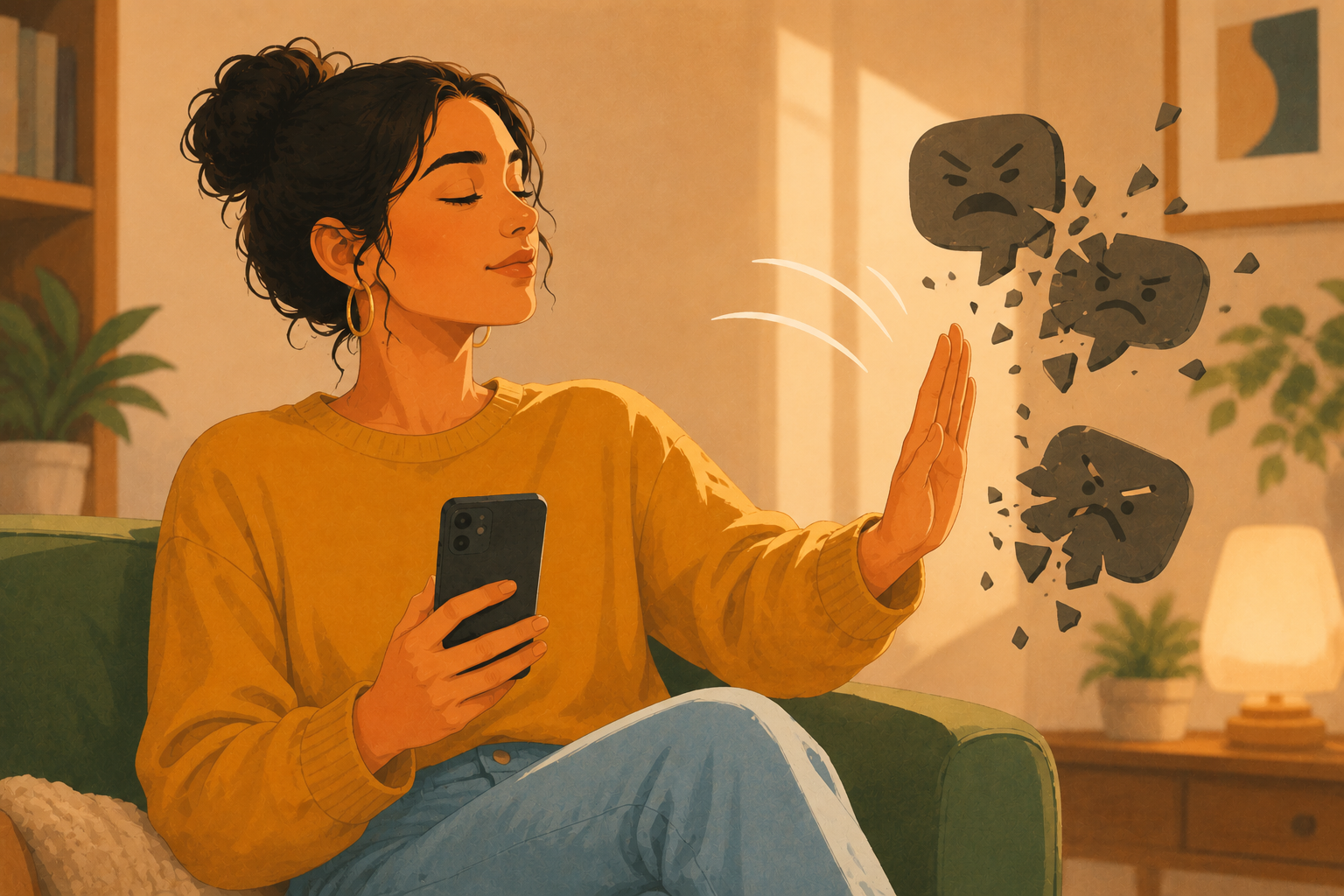
024 - Cyberbullies Want a Reaction
Online harassment often succeeds because it provokes strong emotional reactions. Cyberbullies may seek attention, control, or the satisfaction of upsetting others, but understanding their tactics can help reduce their influence. This article explores why cyberbullies behave the way they do and offers practical perspective on responding safely and effectively. Learning when to engage, when to disengage, and where to seek support can help protect your well-being and confidence online. You can't always control what others do, but you can control how much power their behavior has over you.

023 - People Online May Not Be Who They Claim
The internet makes it easy to meet new people, but it also makes it easy for someone to pretend to be someone they're not. Whether the goal is friendship, romance, money, or personal information, online deception is more common than many people realize. This article encourages readers to approach online relationships with healthy caution and offers practical reasons to verify identities before placing trust in someone they've never met. A little skepticism can help protect your privacy, finances, emotions, and personal safety in an increasingly connected world.

022 - Sextortion Scams Thrive on Fear
Fear is one of the most powerful tools scammers use. When people feel embarrassed, panicked, or desperate to make a problem disappear, they are more likely to make decisions they later regret. This article explains how sextortion scams work, why these schemes are so effective, and what steps people can take if they find themselves targeted. Understanding the scam removes much of its power. Knowledge, preparation, and a calm response can help protect your privacy, finances, and peace of mind when confronted with online threats.
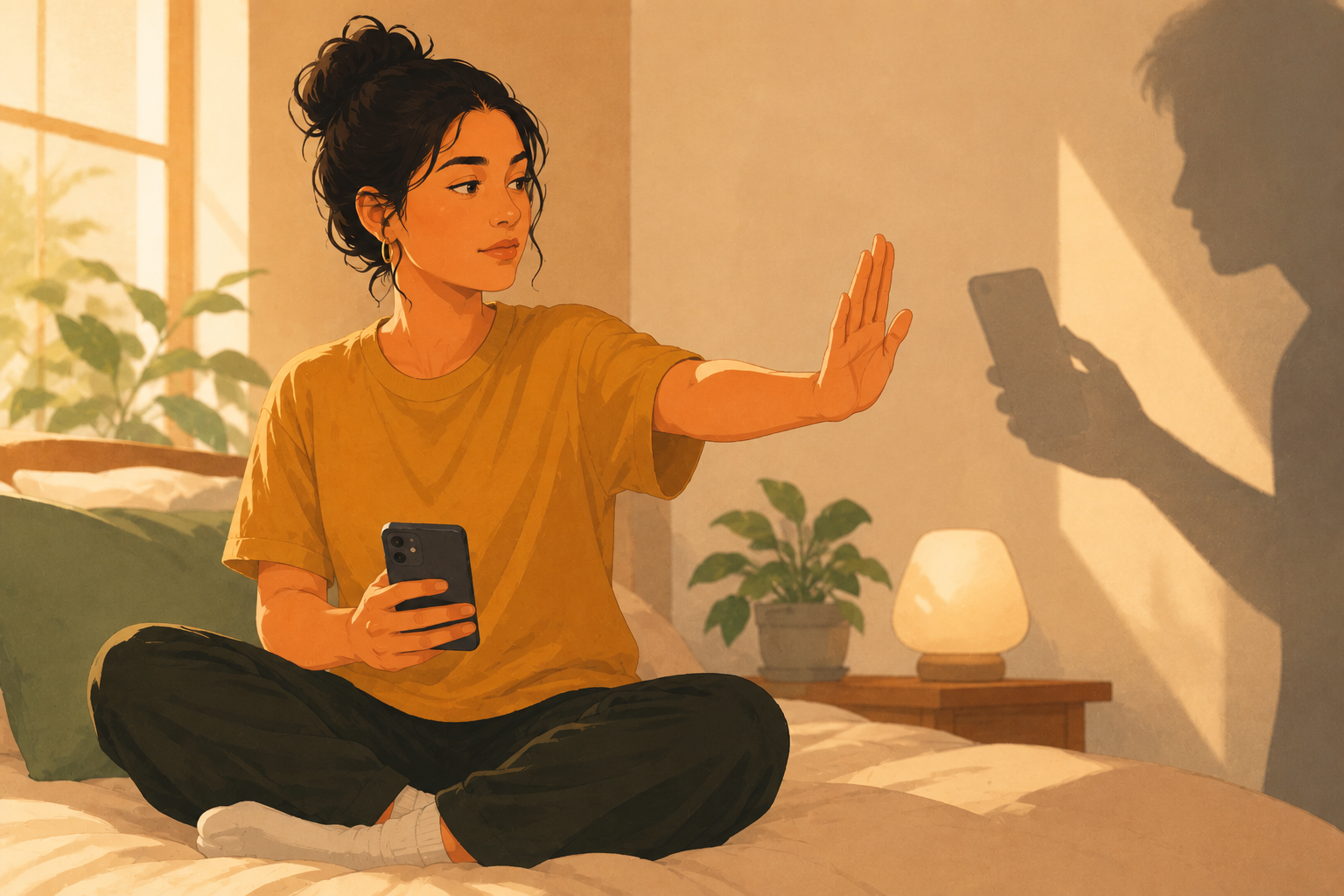
021 - Never Send Photos Under Pressure
A single photo sent in haste can have consequences that last far longer than the moment. Scammers, manipulators, and bad actors often use pressure, emotion, or fear to convince people to share images they later regret. This article encourages readers to slow down, trust their instincts, and understand the risks before sending personal photos. Learning to recognize pressure tactics can help protect your privacy, dignity, relationships, and peace of mind. When someone demands an immediate photo, that's often the best reason to pause and think first.