
020 - You Don’t Have To Solve Tech Problems Alone
Technology can be frustrating, confusing, and sometimes overwhelming—but that doesn’t mean you have to figure everything out by yourself. Whether you're dealing with a suspicious email, a forgotten password, or a device that just won't cooperate, knowing when and where to ask for help is an important skill. This article encourages readers to reach out, learn from others, and take advantage of trusted resources. Sometimes the fastest way to solve a technology problem isn't knowing the answer—it's knowing that support is available and you're not alone.

019 - Search Before Installing Apps
Installing a new app takes only seconds, but making sure it’s trustworthy can save you from malware, scams, privacy problems, and frustration later. A quick search before downloading can reveal reviews, warnings, and experiences from other users that aren't obvious at first glance. This article explains why a little research goes a long way and how a simple habit can help you make more informed decisions about the software you put on your devices. A few moments of caution can prevent much bigger problems down the road.

018 - Children Need Digital Safety Conversations Too
Children are growing up in a world where technology is part of everyday life, but digital safety doesn’t always come naturally. Just as families talk about crossing the street safely or speaking with strangers, it’s important to discuss online risks and healthy technology habits. This article encourages parents, caregivers, and trusted adults to start age-appropriate conversations that help children navigate the digital world with greater confidence, awareness, and resilience. A few thoughtful discussions today can help build skills that protect children for years to come.
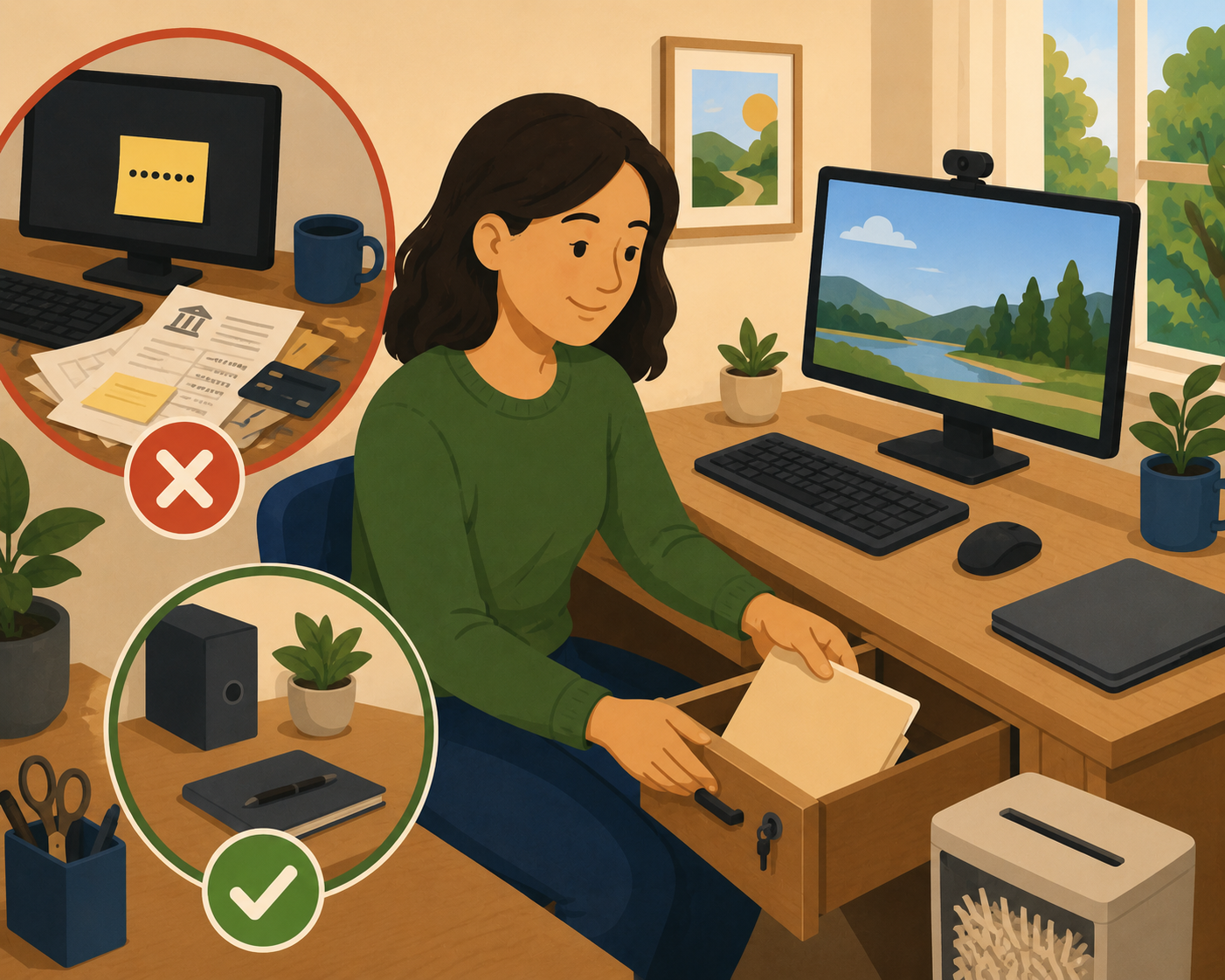
017 - A Clean Desktop Is a Security Habit
A cluttered computer desktop may seem harmless, but it can create problems that go beyond simple organization. Important files become harder to find, sensitive information may be left exposed, and everyday tasks can feel more stressful than they need to be. This article explores how a cleaner desktop can improve productivity, reduce frustration, and support better security habits. Small organizational changes often have a bigger impact than people expect, helping technology feel more manageable and less overwhelming from day to day.
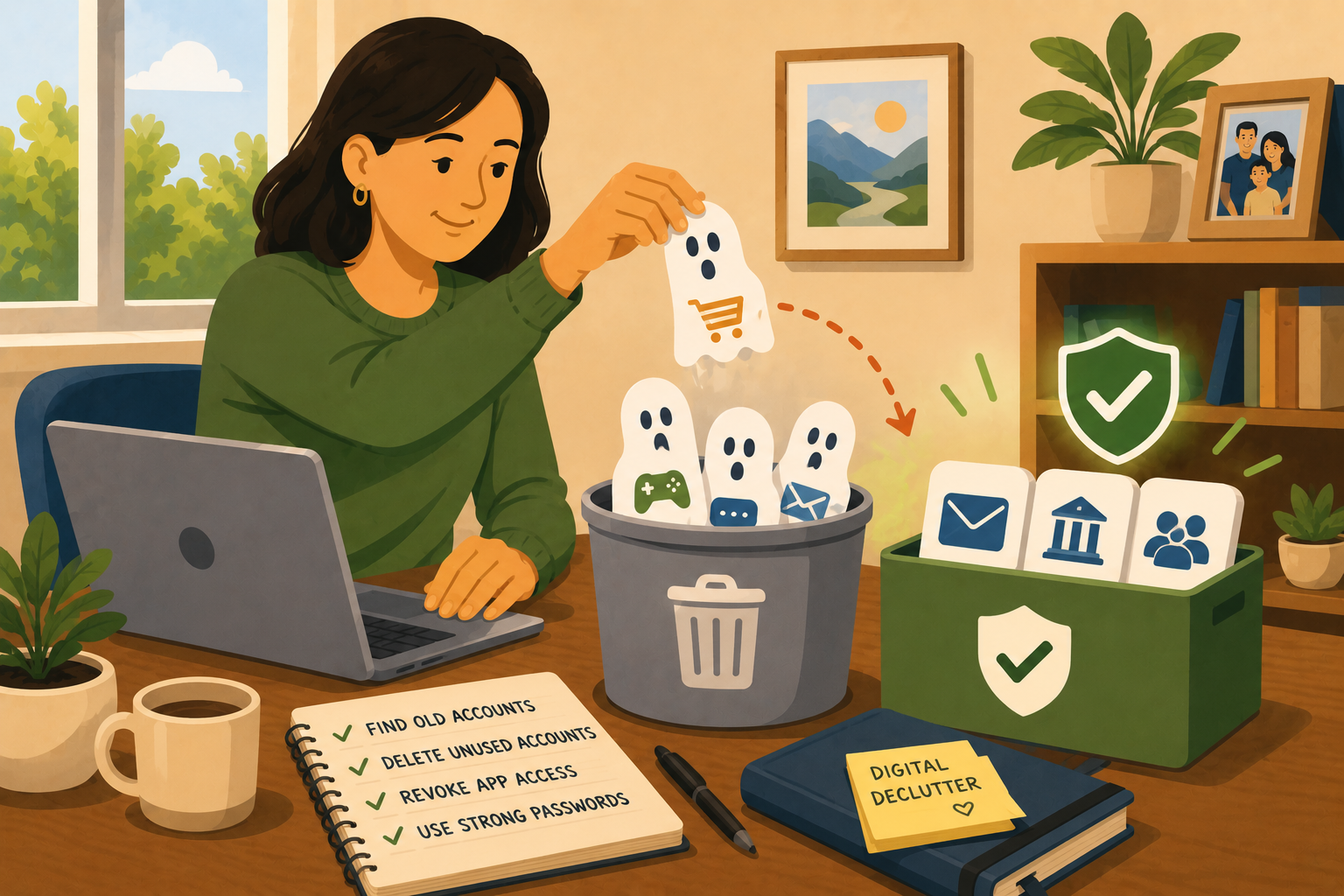
016 - Unused Accounts Can Become Security Risks
It’s easy to forget about old online accounts, especially ones you haven’t used in years. Unfortunately, those forgotten accounts can become attractive targets for criminals, particularly if they contain outdated passwords or personal information. This article explains why unused accounts deserve attention and offers a simple reminder that good digital housekeeping is part of staying safe online. Taking a few minutes to review and remove accounts you no longer need can reduce your risk and make your digital life easier to manage.
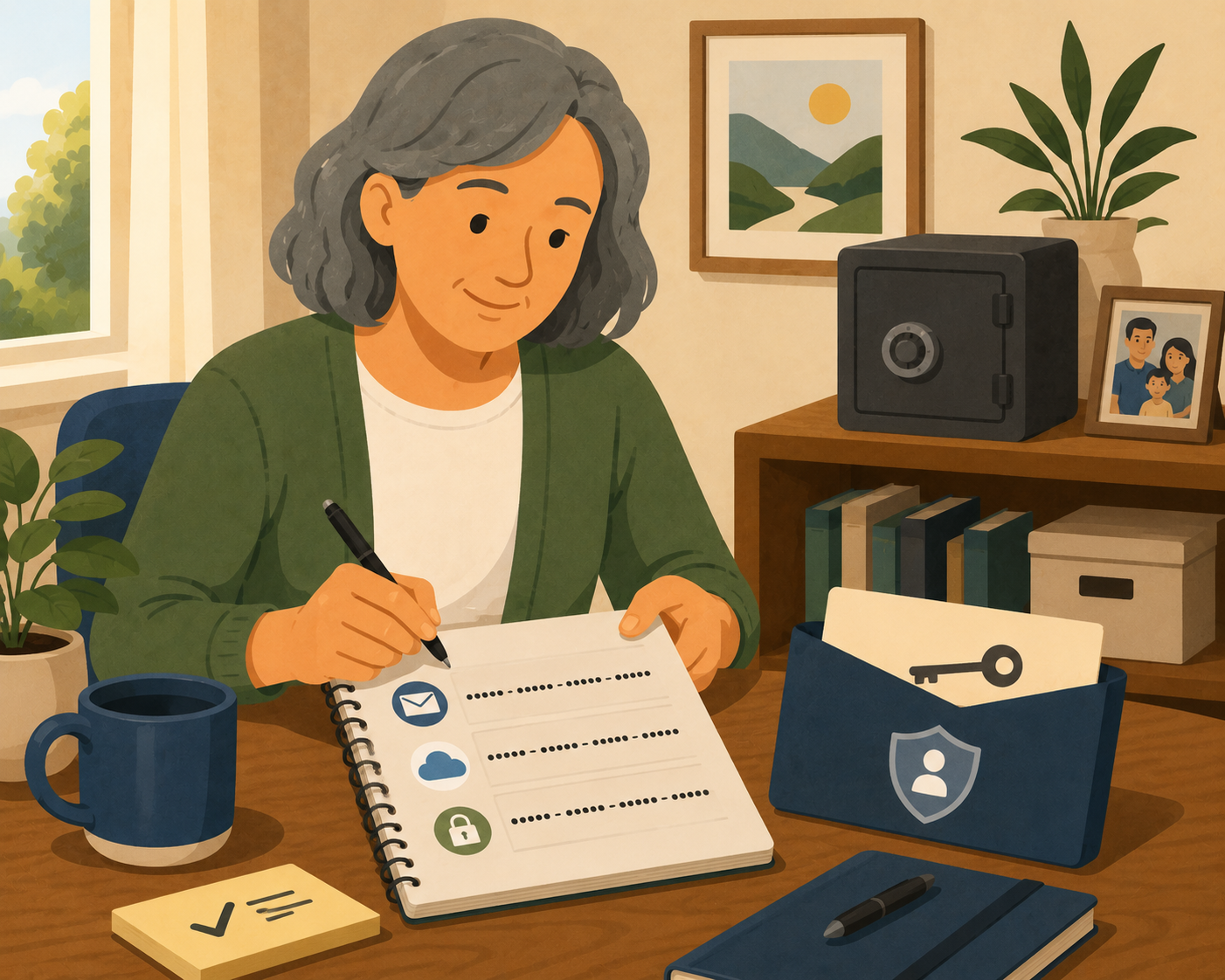
015 - Write Down Important Recovery Information
A forgotten password, lost phone, or damaged computer can quickly turn into a major headache if you don’t have a way back into your accounts. Keeping important recovery information in a safe place can save hours of frustration and help you regain access when things go wrong. This article explains why planning ahead matters and offers a simple way to prepare for the unexpected. A little organization today can make recovering from a technology problem much easier tomorrow.
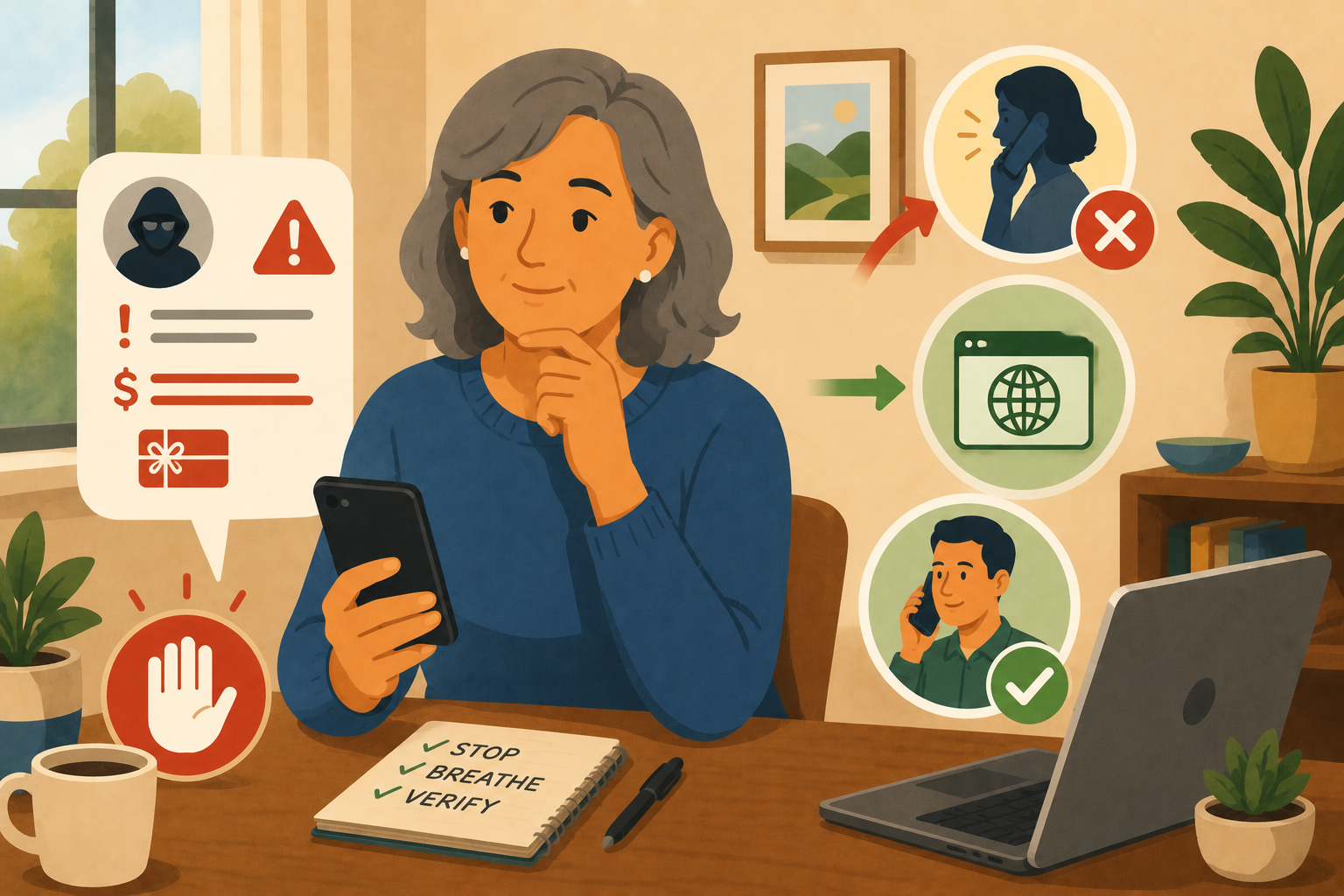
014 - Scammers Love Urgency
Scammers want you to act before you have time to think. Whether it’s a threatening phone call, a suspicious text message, or an email demanding immediate action, urgency is often a warning sign. This article explains why pressure tactics are so effective and how slowing down can help you spot fraud before it causes harm. Learning to recognize artificial urgency can protect your money, personal information, and peace of mind. When in doubt, pause first and decide second.
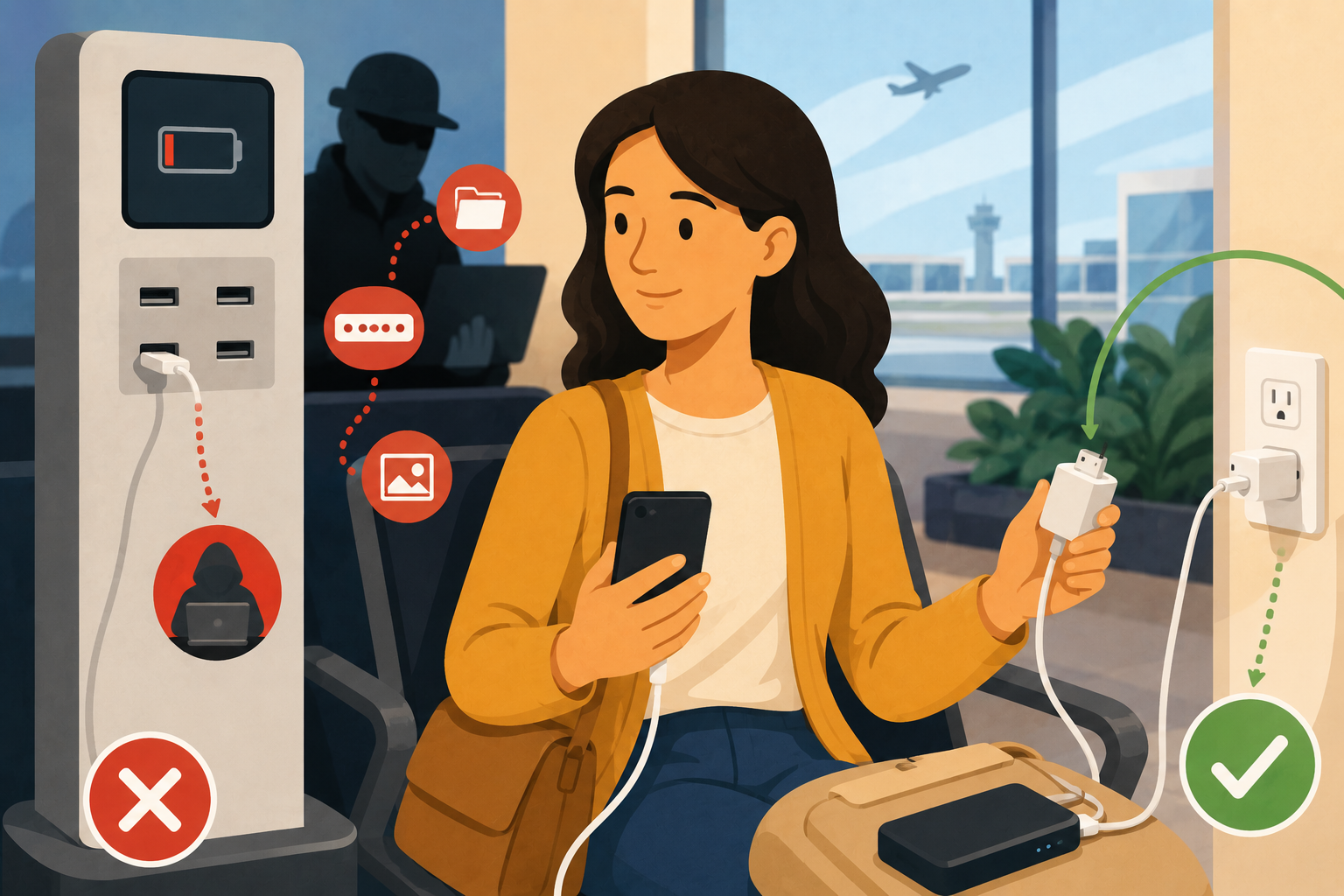
013 - Beware of “Free” USB Chargers
Public charging stations can be helpful when your battery is running low, but not every USB port should be trusted. Many people don’t realize that the same cable used to charge a device can also transfer data. This article explains the potential risks of public charging stations and shares simple precautions that can help protect your personal information while keeping your devices powered. Understanding a few basic safety habits can help you stay secure when traveling, commuting, or spending time in public spaces.
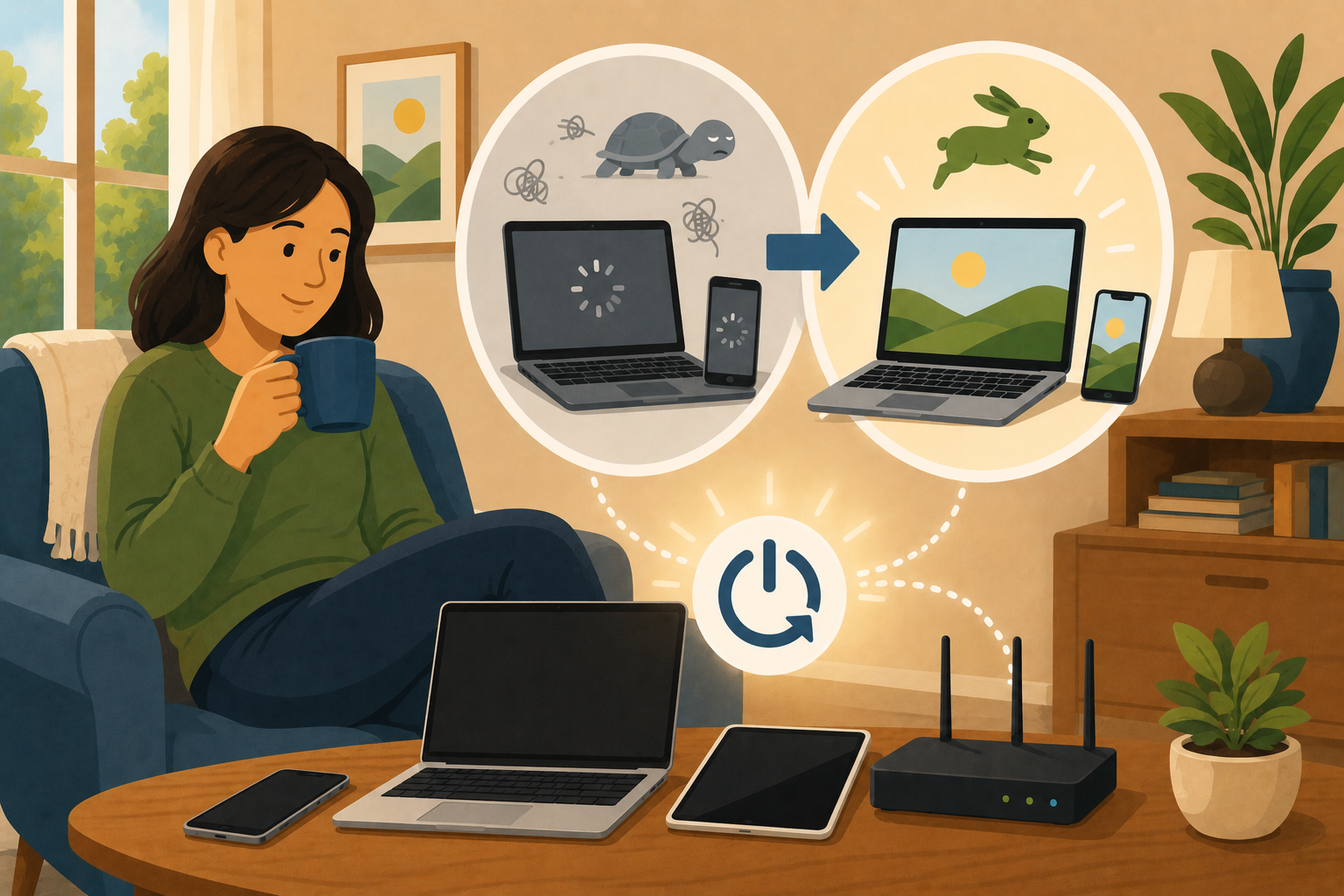
012 - Restart Your Devices Occasionally
Many technology problems can be solved with a surprisingly simple first step: turning the device off and back on again. While it may sound too easy to work, restarting can clear temporary glitches, improve performance, and resolve issues before they become bigger frustrations. This article explains why this common advice is so effective and helps readers understand when a quick restart might save time, stress, and an unnecessary support call.
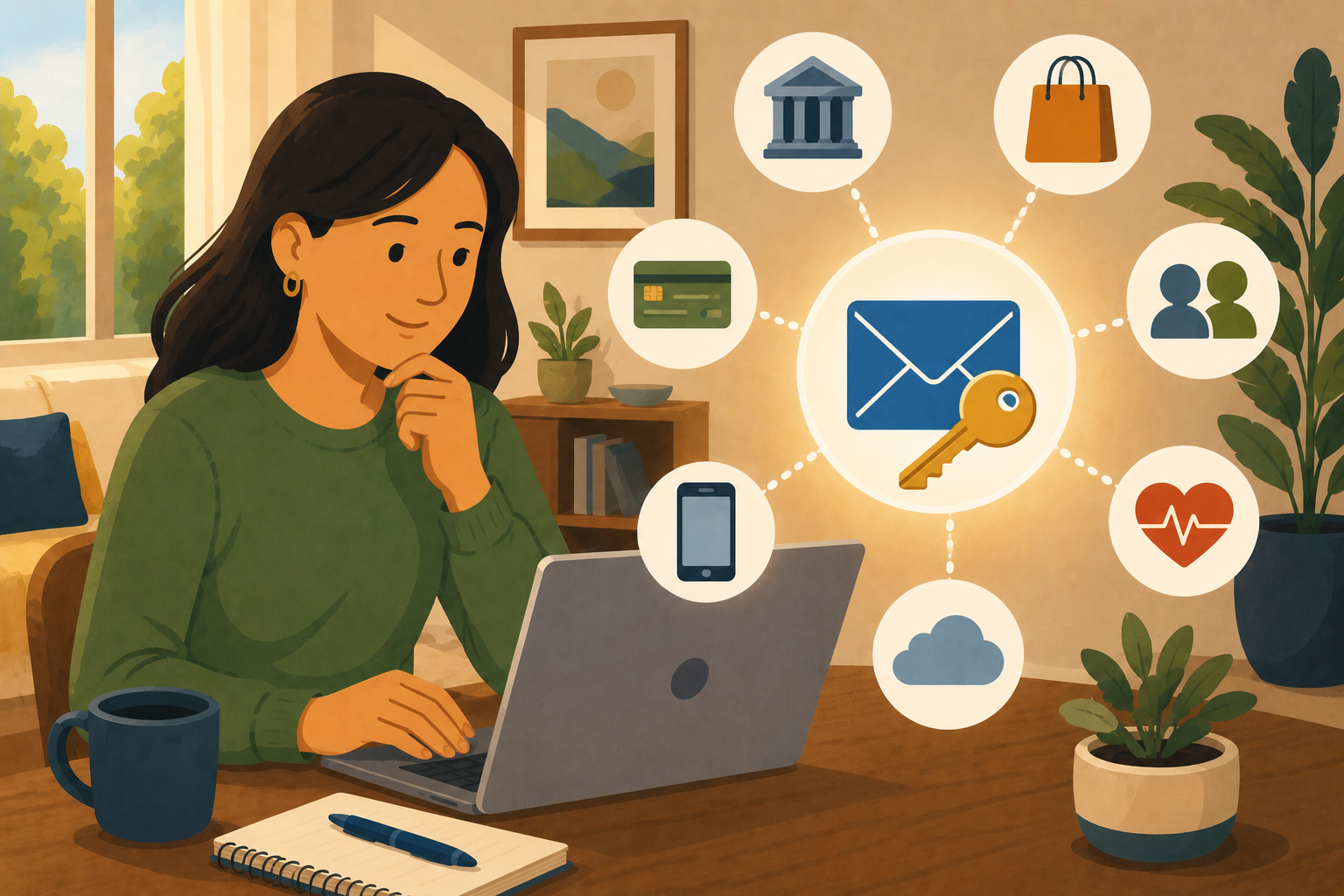
011 - Your Email Account Is the Master Key
Most people think of email as just another account, but it often serves as the gateway to everything else. If someone gains access to your email, they may be able to reset passwords, access sensitive information, and take control of other accounts. This article explains why protecting your email deserves special attention and highlights simple steps that can strengthen your overall digital security. Understanding this one concept can significantly improve your ability to stay safe online and recover from future security incidents.

010 - Technology Should Serve People — Not Intimidate Them
Many people feel embarrassed when technology confuses them, but they shouldn’t. Technology is supposed to help us accomplish our goals, not make us feel frustrated, overwhelmed, or left behind. This article offers an encouraging reminder that asking questions, learning at your own pace, and seeking help are signs of wisdom, not weakness. Whether you're new to technology or simply tired of feeling intimidated by it, you'll find reassurance that you're not alone—and that technology should work for you, not the other way around.

009 - Talk to Older Family Members About Scams
Scammers often target older adults because they know many people are polite, trusting, and eager to help. A simple conversation with a parent, grandparent, neighbor, or friend can make a real difference. This article explains why talking openly about scams matters and how families can work together to recognize warning signs, share knowledge, and reduce the risk of financial loss. Protecting loved ones starts with awareness, communication, and a willingness to have the conversation before a crisis occurs.
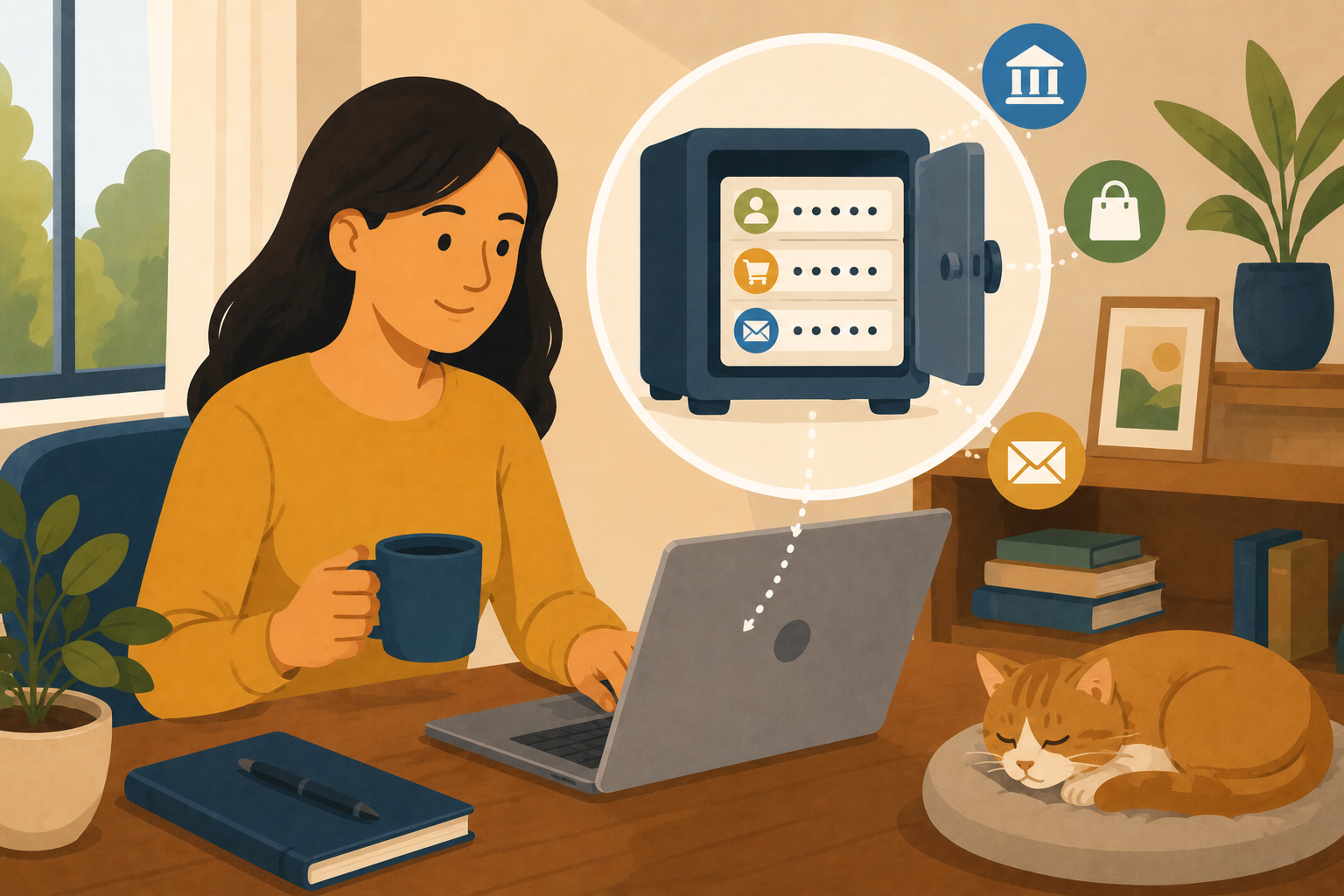
008 - A Password Manager Makes Life Easier
Keeping track of dozens of passwords is frustrating, and reusing the same one everywhere can put your accounts at risk. A password manager helps solve both problems by securely organizing your passwords and making strong security easier to maintain. This article explains how password managers can simplify your digital life, reduce stress, and help protect your online accounts without requiring you to memorize countless passwords.
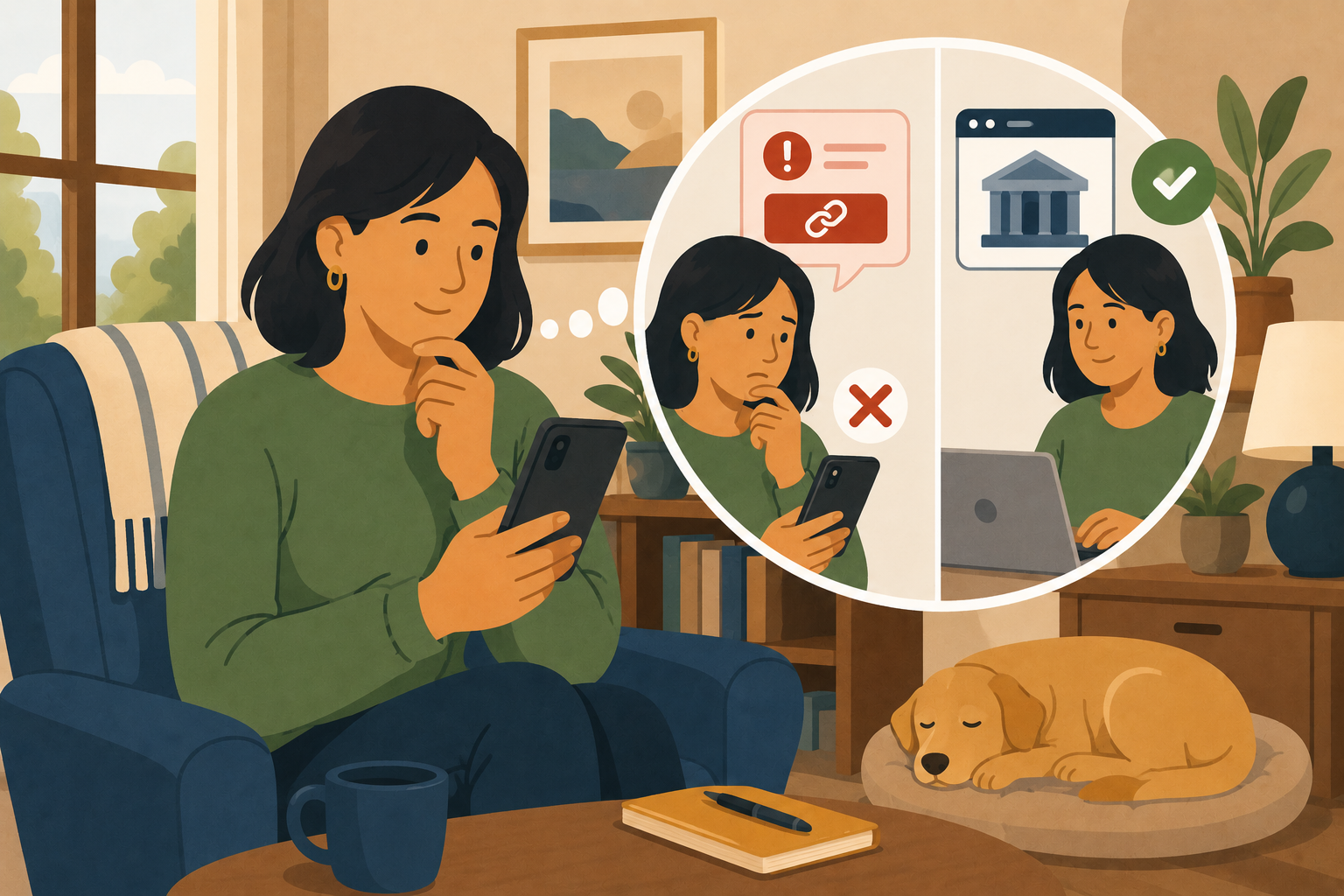
007 - Pause Before Clicking Links
Scammers, hackers, and misleading websites often rely on one simple thing: people clicking before they think. Taking a moment to slow down and examine a link can prevent identity theft, malware infections, and financial fraud. This article shares a simple habit that anyone can learn, helping you recognize warning signs and make safer decisions online. A brief pause may be one of the most effective cybersecurity tools you already have.

006 - Back Up Important Photos and Documents
Photos, family records, important documents, and personal memories can disappear in an instant because of a lost phone, failed hard drive, theft, or accident. The good news is that protecting what matters most is often easier than people think. This article explains why backups are so important and how a simple plan can help ensure your irreplaceable files are still there when you need them most.

005 - Public Wi‑Fi Requires Caution
Free Wi-Fi can be incredibly convenient, but convenience often comes with tradeoffs. Whether you're at a coffee shop, airport, hotel, or community center, it's important to understand the risks before connecting. This article explains how to use public Wi-Fi more safely, protect your personal information, and avoid common mistakes that can expose your accounts and data. A little caution goes a long way toward keeping your online activity private and secure while you're on the go.

004 - Update Your Devices Regularly
It’s easy to ignore software updates when everything seems to be working fine. But many updates fix security flaws that criminals actively look for and exploit. Taking a few minutes to keep your devices current is one of the simplest ways to stay safer online. This article explains why updates matter, how they protect your personal information, and why delaying them can create unnecessary risk. Small habits like this can make a big difference in your digital safety.

003 - Don’t Trust Caller ID
When your phone rings and the screen shows a familiar name or number, it’s natural to trust it. Unfortunately, scammers know this and can make calls appear to come from banks, government agencies, businesses, and even people you know. This article explains why caller ID is no longer proof of who’s calling and shares simple habits that can help you avoid phone scams, fraud, and costly mistakes. A few minutes of awareness can make you much harder to fool.

002 - Turn On Two-Factor Authentication
Passwords get stolen every day, but that doesn’t mean criminals should get access to your accounts. Two-factor authentication adds a powerful extra layer of protection and is one of the easiest security improvements you can make. This article shows why a few minutes of setup can dramatically reduce your risk of account compromise, identity theft, and online fraud.
001 - Freeze Your Credit Before You Need To
Most people don't think about identity theft until they're dealing with the fallout. Taking a few minutes to understand credit freezes today could save months of frustration tomorrow. Learn why this free, powerful tool is one of the simplest ways to protect your financial future and reduce your risk of fraud.