
120 - Digital Skills Create Economic Power
Digital skills open doors. From applying for jobs and managing finances to accessing education, healthcare, and community resources, technology plays an important role in modern economic opportunity. This article explores how building digital confidence can create new possibilities for individuals, families, and communities. Learning to use technology effectively isn't just about mastering devices—it's about increasing access to information, services, and opportunities that can improve quality of life. Investing in digital skills can lead to greater independence, stronger employment prospects, and a better ability to participate in an increasingly connected world.

119 - Use Secure Wi-Fi at Home
Children begin building their digital habits long before they fully understand the risks they may encounter online. Conversations about privacy, scams, cyberbullying, online relationships, and responsible technology use are most effective when they start early and continue over time. This article encourages parents, caregivers, and trusted adults to view digital safety as an ongoing discussion rather than a one-time lesson. Helping children develop healthy online habits early can build confidence, strengthen critical thinking skills, and prepare them to navigate the digital world more safely. The best protection often begins with communication, trust, and age-appropriate guidance.

118 - Be Wary of Emotional Manipulation Online
When major events are unfolding, information spreads quickly—but accuracy doesn't always keep pace. Rumors, misinformation, manipulated content, and outright scams often appear alongside legitimate reporting during breaking news situations. This article encourages readers to slow down, verify information, and rely on trusted sources before sharing or acting on what they see online. Developing this habit can help you avoid confusion, make better decisions, and prevent the spread of false information. In fast-moving situations, taking a moment to confirm the facts is often one of the most responsible and protective actions you can take.

117 - Protect Children Online Early
Free and low-cost resources are available in many communities, but people often don't know where to find them until they're facing a challenge. Libraries, nonprofits, government agencies, community centers, and advocacy organizations can provide valuable support, information, training, and services. This article encourages readers to explore trusted public resources before they need them and highlights the importance of knowing where to turn for help. Building awareness of available resources can increase resilience, reduce stress, and create more opportunities to solve problems. Sometimes the support you need already exists—you just need to know where to look.

116 - Keep Devices Updated for Safety
Software updates can feel inconvenient, especially when you're busy or your device seems to be working fine. However, many updates include important security fixes that protect against newly discovered threats. This article explains why keeping devices up to date is one of the simplest and most effective ways to improve digital safety. Regular updates can help protect personal information, reduce vulnerabilities, improve reliability, and ensure your devices continue to function as intended. A few minutes spent installing updates today can help prevent much larger problems tomorrow.

115 - Scammers Often Target Gig Workers
Gig work offers flexibility and opportunity, but it can also attract scammers who know workers are often looking for new jobs, clients, or income sources. Fake job listings, fraudulent payment schemes, and impersonation scams frequently target people working through online platforms. This article explains why gig workers are attractive targets and highlights warning signs that can help prevent financial loss and identity theft. Understanding these risks can help you evaluate opportunities more confidently, protect your personal information, and focus on legitimate work. A little caution can make it easier to benefit from gig work without falling victim to fraud.
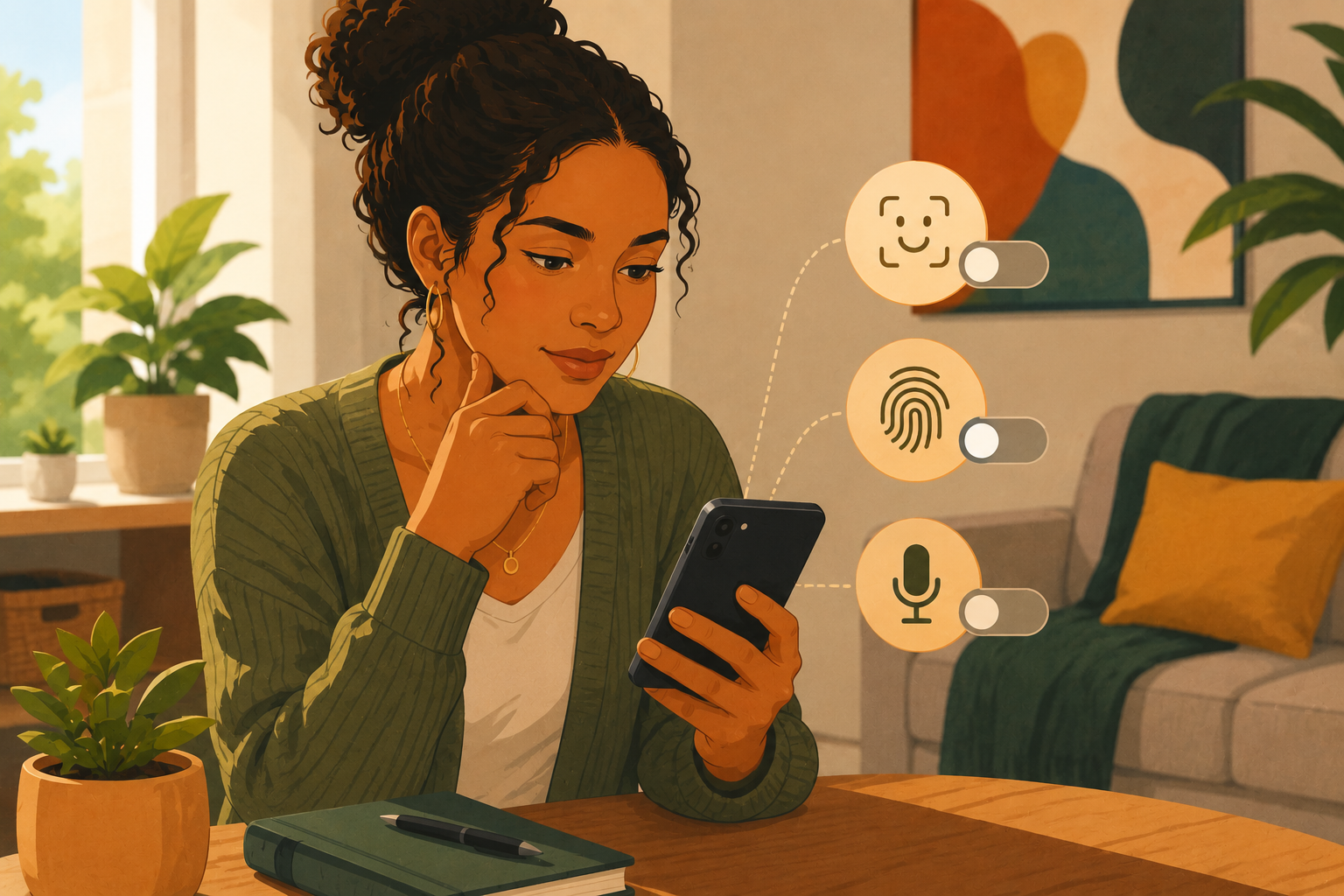
114 - Be Careful With Biometric Apps
Biometric features like fingerprints, facial recognition, and voice identification can be convenient, but they also involve uniquely personal information that cannot easily be changed if compromised. Many apps now request access to biometric data without users fully understanding how that information is stored, shared, or protected. This article encourages readers to think carefully before granting access to biometric features and to understand the privacy implications of doing so. Convenience is important, but so is informed consent. Knowing how biometric data is used can help you make better decisions about your privacy, security, and digital identity.

113 - Protect Family Group Chats and Accounts
Family group chats and shared online accounts can be wonderful tools for staying connected, coordinating plans, and supporting one another. However, they can also become targets for scammers, impersonators, and unauthorized access if basic precautions are overlooked. This article explains why protecting shared digital spaces matters and encourages families to think about security, privacy, and trust when communicating online. A few simple habits can help reduce confusion, prevent unauthorized access, and keep important conversations private. Strong digital practices don't just protect individuals—they help protect the people and relationships that matter most.

112 - Watch for Rental and Housing Scams
Housing is one of our most important needs, which is exactly why rental scams are so common. Fraudsters often use fake listings, pressure tactics, and requests for money upfront to target people searching for a place to live. This article explains why rental scams work, highlights common warning signs, and encourages readers to verify listings before sharing personal information or sending payments. Taking a little extra time to confirm that a property and landlord are legitimate can help you avoid financial loss, protect your personal information, and reduce the stress of an already challenging housing search.

111 - Free Public Resources Can Help
Teaching family members about scams is one of the most effective ways to prevent fraud before it happens. Criminals often target people who are unaware of current tactics, making simple conversations a powerful form of protection. This article encourages families to share knowledge, discuss warning signs, and create an environment where people feel comfortable asking questions. Scam awareness isn't about creating fear—it's about building confidence. When families talk openly about fraud, they become better equipped to recognize suspicious situations, support one another, and avoid costly mistakes. A few conversations today can help prevent significant problems tomorrow.

110 - Technology Access Should Build Opportunity
Technology should do more than connect people—it should help create opportunities. Access to information, education, employment, healthcare, community resources, and support services can all be influenced by a person's ability to use technology effectively. This article explores why digital access matters and how technology can serve as a tool for empowerment rather than exclusion. When people have the knowledge, skills, and resources needed to navigate the digital world, they are better positioned to pursue their goals and participate fully in their communities. Expanding access isn't just about technology—it's about creating pathways to opportunity, dignity, and self-determination.

109 - Teach Family Members About Scams
Breaking news often creates confusion, uncertainty, and a rush to share information before the facts are fully known. Unfortunately, misinformation, rumors, and scams tend to spread quickly during these moments. This article encourages readers to rely on trusted sources, verify information before sharing it, and approach sensational claims with caution. Taking a few extra minutes to confirm what you're reading can help prevent the spread of false information and improve your ability to make informed decisions. In fast-moving situations, accuracy is usually more valuable than speed.

108 - Use Trusted Sources During Breaking News
QR codes have become a convenient part of everyday life, appearing on menus, flyers, parking meters, advertisements, and emails. Unfortunately, scammers have learned to use them as well. A malicious QR code can direct you to fake websites, fraudulent payment pages, or other unsafe destinations without obvious warning signs. This article explains why it's important to approach QR codes thoughtfully and offers practical reasons to verify where a code is leading before scanning. A few seconds of caution can help protect your personal information, finances, and devices from increasingly common scams.
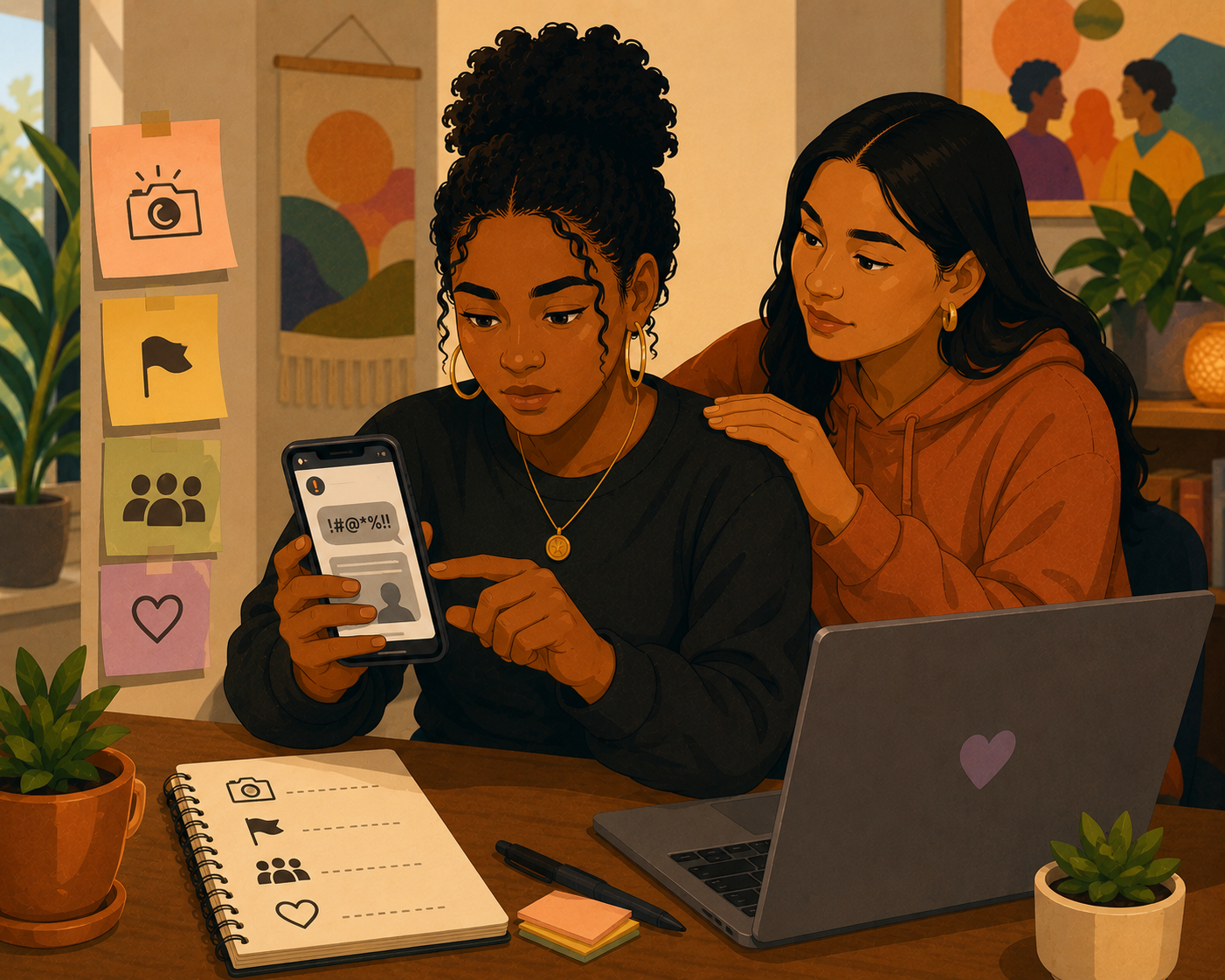
107 - Online Harassment Can Be Reported
Most online platforms provide tools for reporting harassment, threats, impersonation, and other abusive behavior, but many people don't realize those options exist or aren't sure how to use them. This article explains why reporting harmful behavior matters and how it can help create safer online communities. While reporting doesn't always produce immediate results, it can establish a record of misconduct and help platforms identify patterns of abuse. Understanding your options can make it easier to respond confidently when harassment occurs and remind you that you don't have to face online abuse without support or recourse.
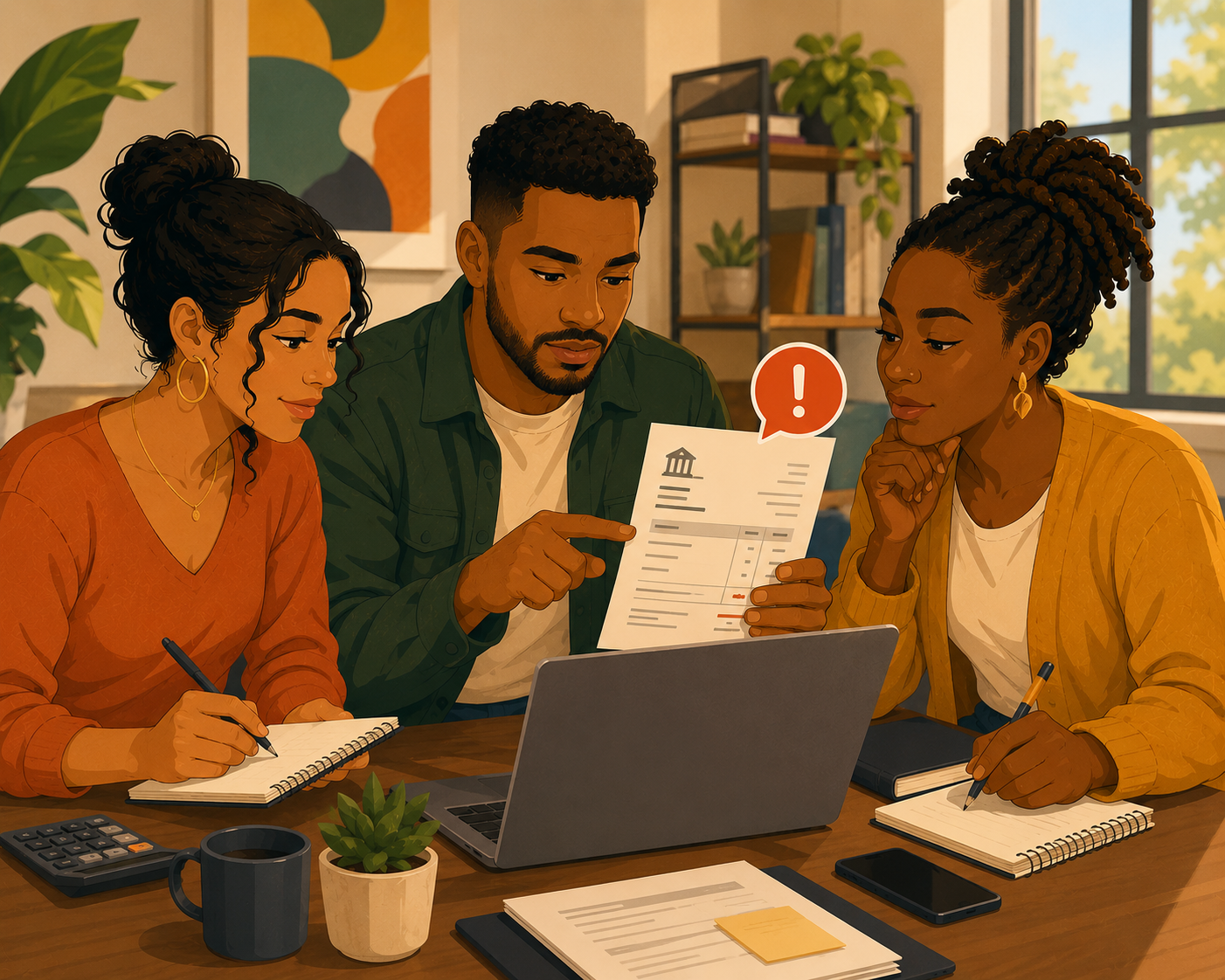
106 - Protect Your Small Business Online
Small businesses are increasingly targeted by cybercriminals because they often have valuable information but fewer resources dedicated to security. A single incident can disrupt operations, damage customer trust, and create costly recovery efforts. This article explains why online safety matters for businesses of every size and highlights practical steps that can reduce risk without requiring a large technology budget. Whether you run a one-person operation or a growing company, understanding the basics of cybersecurity can help protect your data, your reputation, and the people who depend on your business. Good security is good business.

105 - Review App Permissions Regularly
Many apps request access to your location, contacts, camera, microphone, photos, and other personal information—but those permissions often remain in place long after they're needed. This article encourages readers to periodically review what their apps can access and consider whether those permissions still make sense. A few minutes spent checking settings can improve privacy, reduce unnecessary data sharing, and help you better understand how your devices interact with the apps you use every day. Good digital hygiene isn't just about installing software—it's also about making sure that software only has access to what it truly needs.

104 - Be Careful With QR Codes
Your online reputation is shaped by more than what you post—it’s also influenced by what others can find about you. Employers, schools, clients, organizations, and even strangers may form impressions based on your digital footprint. This article explores why digital reputation matters and how thoughtful online habits can help protect it. Understanding how information persists and spreads online can help you make more intentional choices about privacy, communication, and personal branding. A positive digital reputation can open doors, while a neglected one can create unexpected challenges. Managing it is an important part of modern life.

103 - Community Knowledge Is Powerful
Our experiences, skills, and lessons learned can become valuable resources for others. Whether it's sharing information about scams, technology, community resources, or personal safety, collective knowledge helps people make better decisions and avoid common pitfalls. This article explores how communities become stronger when people share what they know and support one another's learning. No single person has all the answers, but together we can identify risks, solve problems, and build resilience. Knowledge becomes even more powerful when it's shared, passed along, and used to help others navigate challenges with greater confidence and awareness.

102 - Your Digital Reputation Matters
Every message doesn't deserve an immediate response. Unexpected texts, emails, social media messages, and direct messages are often used by scammers because they rely on surprise, curiosity, and urgency. This article encourages readers to approach unexpected communications with a healthy dose of skepticism and explains why taking a moment to verify a message can prevent fraud, identity theft, and other problems. Developing the habit of questioning unexpected requests helps you make better decisions and stay safer online. A few extra seconds of caution can often reveal warning signs that are easy to miss when reacting quickly.
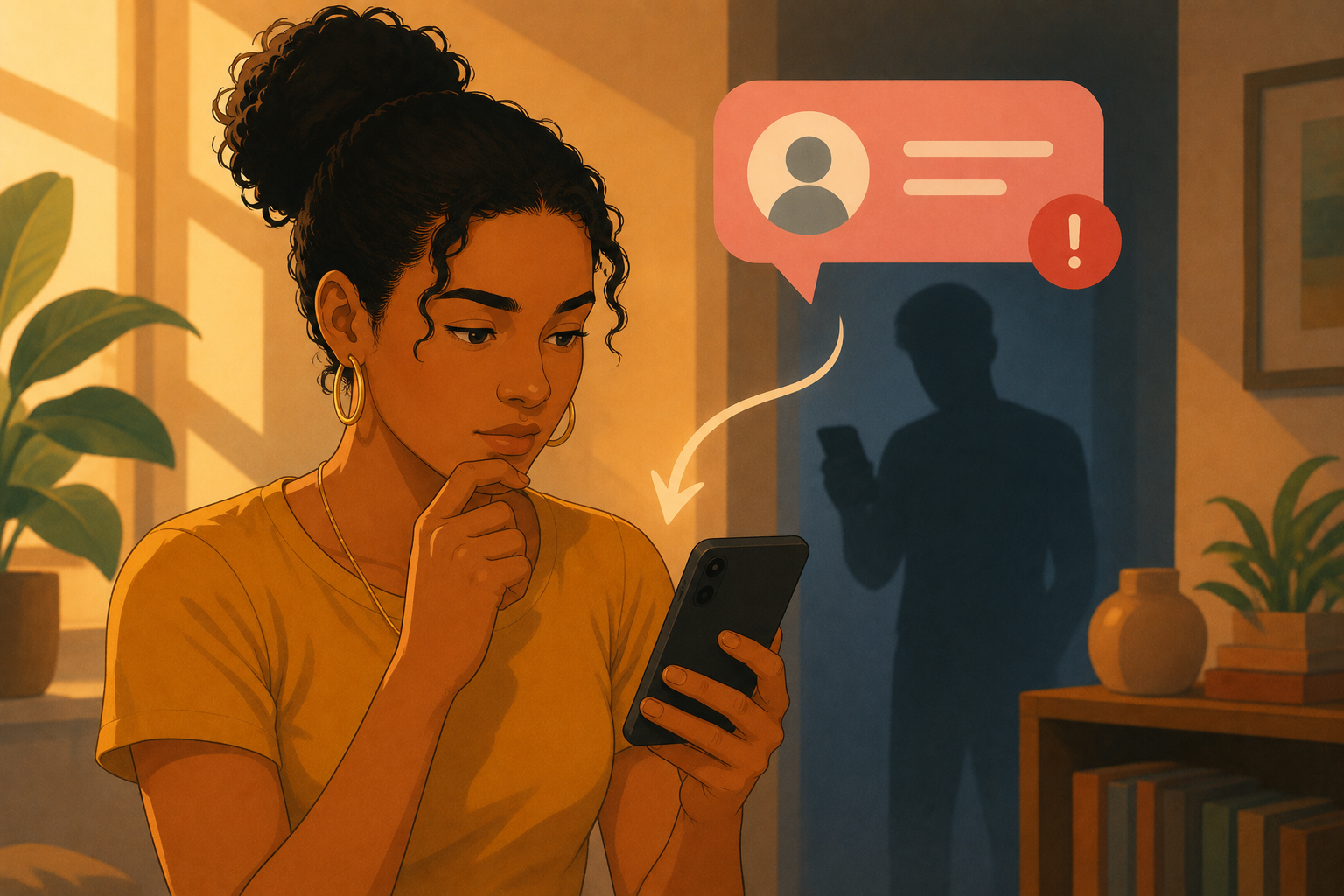
101 - Question Unexpected Messages Carefully
Harassment can leave people feeling isolated, powerless, and unsure of what to do next. One of the most important steps you can take is creating a clear record of what is happening. This article explains why documenting harassment safely matters and how preserving evidence can help if you need support from employers, schools, community organizations, online platforms, or law enforcement. Good documentation can provide clarity, establish patterns of behavior, and strengthen your ability to seek help. Taking careful notes today may make it much easier to protect yourself and advocate for your safety tomorrow.